hi this is Sam and welcome to inlogic at least in the languages that speak the subjunctive is often tricky and thorny topic to talk about as it tends to be morphologically very different from other moods meaning that the verbs physically change lot and every language often has completely different set of rules as to when to use it I'm sure there are languages out there that do not have the subjunctive at all and English is very close to being one of them however however it does exist in some very limited instances we'll have very geeky look at some grammar terminology first then we'll see how the subjunctive Works in English and next time we'll see some Expressions that use specifically the subjunctive like the indicative the subjunctive is mood and in grammar mood denotes the attitude point of view and intention of the speaker the indicative talks about facts that were are or will be eat pizza every day that's fact she ate pizza yesterday that's fact we will eat pizza when we go on holiday that's fact the subjunctive on the other hand refers to wishes demands suggestions hypotheticals and in general things that haven't happened if say wish ate pizza every day it's fact that wish that's the indicative but ate pizza is wish desire so that means that do not eat pizza every day at the moment in the present if she had eaten pizza yesterday is hypothetical she did not eat pizza yesterday and the doctor suggests not eat pizza every day it's fact that the doctor suggests that's the indicative but it's not fact that don't eat pizza every day as you can see in English the subjunctive doesn't physically change much from the indicative or we can say that they are morphologically very similar and you're lucky because that's not the case for other languages for example Italian where basically every single person changes here you have the Italian translation of the verb to run and as you can see the present subjunctive is very different from the indicative whereas in English the only difference is that the present subjunctive loses the in the third person singular so we go from he runs of the present indicative to he run in the present subjunctive in English we don't use it much but in Italian for example we use it every single time we express an opinion rather than fact let's take the sentence think he runs every day in English we use the indicative for both verbs think and he runs however in Italian we use the indicative for think because it's fact that think but since he runs is introduced as an opinion by the verb think and not fact we must use the subjunctive so again we are lucky in English because we do not have to think about any of this as we mentioned earlier the present subjunctive in English is fairly easy to create because we simply take the base form of verb and the only difference is that we go from he runs in the indicative to he run in the subjunctive the only verb where we get very noticeable difference is the verb to be because am you are he is turn into be you be he be the only other difference is in the negative because we put subject not and verb so we say not do she not be have whole video on how to use the terrible verbs suggest recommend and demand with subjunctive over here and we use the present subjunctive after verbs of suggestion demand and desire and in this case the present subjunctive often refers to the Future compared to the tense of these verbs in all of the following sentences the conjunction that is optional you can't really see the subjunctive in simple sentence like suggest you go because it's exactly the same as the indicative but it's more visible when you say suggest he book in advance rather than he books they recommend we not go because the negative is different and it's been requested she be seen by specialist in the video linked earlier give thorough analysis of how we use these verbs there are couple of options and the subjunctive is the most sophistic phisticated of them and therefore the least common especially in British English as it's more typical to American English in normal everyday spoken English we wouldn't really say suggest he book in advance which is correct and Brilliant English but we simply say suggest he books in advance with simple indicative they recommend we not go is usually said as they recommend we don't go in British we prefer should to the subjunctive so we would say you suggested he should book they recommend you should take you can create negative but have to say it's fairly formal and definitely not something that we would say every day but you can say he requested the work laptops shouldn't be taken home now I'm not entirely sure this is officially grammar mistake but it's extremely uncommon and jarring to say should after suggest specifically with the first person singular so we would never say suggest you should buy it we would simply say suggest you buy it or even easier we would say think you should buy it as said earlier with these verbs the subjunctive is the most formal option then we have should and then the most informal and possibly the most common option which is simple indicative don't want to confuse you with too much information in one video so I'm linking here whole other one on the difference between these two correct sentences with the verb suggest they mean Different Things That Vary specifically between British and American and here is another video about the same topic related to the verb insist back to the present subjunctive we also use it after nouns of command and suggestion of professional advice is or was that she resign without the we also use it after adjectives of importance suggestion and demand it is essential that every family have stable income we were determined that our money not be found as quick recap from most to least sophisticated we say our professional advice is that she resign she should resign she resigns it was important that she trust us she should trust us she trusted us it's now time to talk about the past subjunctive and as we can see the simple past and the past subjunctive in English are morphologically the same they don't change at all and once again we're lucky because in languages like Italian they are completely different and you have to learn every single ending of every single person the only little difference is once again with verb to be because was and he was in the past simple become were and he were in the past subjunctive now it is possible to hear was and he was in the past subjunctive in everyday informal English but would refrain from using it in an English exam books will tell you that the past subjunctive is about situations in the present and the past which is technically correct but prefer saying that it creates simultaneity and it refers to simultaneous hypothetical and unreal or impossible situations which means that the action of the past subjunctive happens at the same time as the verb it's attached to if that verb is in the present the past subjunctive refers to the present if that verb is in the past the past subjunctive is about the past wish now that you were here now both actions happen at the same time we can't say wish you are here because are is the indicative form of the verb to be and that refers to real fact but you are not here so this is an impossible situation it's only desire wish and in order to create that idea of impossibility and unreal ESS we must use the past subjunctive she wishes now that she could speak Chinese now but the reality is that she doesn't speak Chinese now I'd rather you stayed have whole video over here on how to use the past subjunctive and the past perfect subjunctive with the structures as if and as though and the differences between using the indicative and the subjunctive after these verbs but just to give you quick idea we say you talk to her all the time as if you were her manager all the time but you are not manager which is why we use the past subjunctive because that creates the idea of un realness impossibility whilst as we saw earlier the negative of the present subjunctive is simply with not not do she not be the negative of the past subjunctive is exactly the same as the past simple of the indicative so wish you were not or weren't here I'd rather you did not or didn't stay here are few examples of simultaneity you talked to her yesterday as if you were her manager yesterday both talked and were happened at the same time we can say wish now had more money now but we can also say when was younger in the past wished in the past had more money in the past in these two sentences had doesn't change because it follows the tense of the main verb wish had more money means now because wish is about now wished had more money means in the past because wished is in the past we also use the past subjunctive to create the second conditional on which have whole video over here and it refers to impossible situations in the present or future if want to say that don't win the lottery today or tomorrow so don't go on holiday today or tomorrow can create very sophisticated conditional and say if won the lottery today or tomorrow would go on holiday today or tomorrow the concept of this is that it's impossible because haven't even played the lottery so it's impossible for me to to win for the difference between possible and an impossible situation do have look at that video and be very careful because one looks like simple past all students and Learners of English think that if won the lottery refers to the past to yesterday but no that's terrible mistake in an English exam if one refers to now or tomorrow the best example of the second conditional is if were you now would buy new car now well I'm not you so this is impossible it's just speculation dream can say if she talked to me could explain myself but that means that she doesn't talk to me now so can't explain myself now the past perfect subjunctive is exactly the same as the past perfect indicative and it creates anteriority in hypothetical and unreal impossible or unlikely situations meaning that the verb in the past perfect subjunctive happens before the verb it's attached to you look now as if you hadn't eaten all day between the past and now now if it's 1 p.m. chances are you have eaten something at some point during the day but maybe you look so tired and Ill that it's almost like you hadn't now this is what makes it potentially more unlikely than impossible because chances are you will have eaten something by 10 p.m. again do watch the video on as if and as though but here are few sentences know you know what happened so don't act now as if Tom hadn't already told you in the past before now but you can also say you acted in the past yeserday yesterday as if Tom hadn't already told you this means it hadn't told you happened before you acted so maybe yesterday you acted as if Tom hadn't told you the day before yesterday wish now hadn't talked to her in the past and wished in the past hadn't talked to her before wished and here we can see that the negative of the past perfect subun is exactly the same as the negative of the past perfect indicative we also use the past perfect subjunctive to create the third conditional to which will link video in the description and it refers to Impossible and unreal situations in the past if you want to say that didn't study Chinese in school in the past so didn't move to China with conditional you say if had studied Chinese in school would have moved to China if you had asked me for help would have given you hand means that you didn't ask me for help so didn't give you hand and that's it for today if you like this video please don't forget to give it thumbs up and to subscribe to my channel down below and do let me know in the comments if you have any questions or observations about the subjunctive in general and don't forget to watch my next video on the expressions and construction they use specifically the subjunctive in the meantime will see you next Tuesday with another explanation video
7:55
The Subjunctive in English Complete Advanced English Grammar Lesson
English with Lucy
515.7K مشاهدة · 3 years ago
13:58
The Subjunctive Mood in English Grammar Explained Simply
English with Greg
109.9K مشاهدة · 1 year ago
9:41
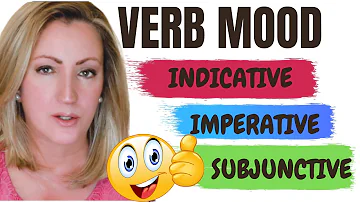
Verb Mood Indicative Imperative and Subjunctive Properties of Verbs
The Learning Depot
193.2K مشاهدة · 5 years ago
23:45
THE SUBJUNCTIVE in 6 simple steps TEST I suggest that you watch this lesson
Arnel's Everyday English
251.9K مشاهدة · 2 years ago
19:57
The SUBJUNCTIVE in English Finally Explained Clearly If I were you I wish I had
English Speaking 360
71.3K مشاهدة · 7 months ago
14:07
GERUND ing or INFINITIVE to When How to Use them Free PDF Quiz
English with Lucy
1.6M مشاهدة · 4 years ago
0:51
What is the subjunctive Oxford Owl
Oxford Owl - Learning at Home
42.2K مشاهدة · 8 years ago
5:47
Understand the Subjunctive Mood in English Fast and Easy
Lingportal Online School of English
1.5K مشاهدة · 1 year ago
7:08
the subjunctive mood in english an advanced grammar lesson
salvatorə
5 مشاهدة · 10 days ago
13:35
Subjunctive Whats a Mood in English Grammar
English with Jennifer
22.9K مشاهدة · 4 years ago
7:30
Gerunds Infinitives – English Grammar Lessons
Ellii (formerly ESL Library)
1.1M مشاهدة · 5 years ago
4:57
English Grammar The Subjunctive
English with Alex · engVid
263K مشاهدة · 14 years ago
12:56
The Subjunctive English Grammar Lesson C 1 Advanced
Anglo-Link
354K مشاهدة · 8 years ago
5:43
Learn English Grammar THE SUBJUNCTIVE – I wish
Adam’s English Lessons · engVid
1.4M مشاهدة · 13 years ago
14:36
The Subjunctive Mood How to Use the Subjunctive Mood in English Improve your English Grammar
JeN's Jyugyou / ジェンの授業
38.6K مشاهدة · 6 years ago
1:05:12
Subjunctive Mood English Grammar Lessons
Comprehensively English
17.1K مشاهدة · 3 years ago
3:31
The Subjunctive Mood English Grammar
Learn English with Papa Teach Me
145.7K مشاهدة · 9 years ago
11:24
Basic English Grammar Giving reasons with infinitives

 7:55
7:55
 13:58
13:58
 9:41
9:41
 23:45
23:45
 19:57
19:57
 14:07
14:07
 0:51
0:51
 5:47
5:47
 7:08
7:08
 13:35
13:35
 7:30
7:30
 4:57
4:57
 12:56
12:56
 5:43
5:43
 14:36
14:36
 1:05:12
 3:31
3:31
 11:24
11:24


