there's lot of advice on the internet about how to speed read how to read faster and how to read more in an age of hyper productivity and the mass consumption of written material this seems to make lot of sense quantity over quality right well not necessarily if you wanted to listen to the Symphonies of Beethoven you wouldn't cue up all of the Symphonies on Spotify and then listen to them all on Triple or quadruple speed no symphony requires the surrender of time and attention it's an encounter with beauty altering the tempo would significantly change the experience and essentially the music itself and it's the same for reading great works of literature in which the art and craft of language is as important as things like narrative and theme granted speech reading is fine for some books like self-help books or textbooks but if you're speed reading Emily Dickinson's poems or tragedy of Shakespeare or even worse reading Cliff Notes alone and not even bothering with the actual material and you're better off not reading at all great literature invites you to surrender your time and Imagination to these works and if you don't do at least that you're wasting your time research suggests that speed reading is actually not as productive as people make it sound according to study published in 2016 by the Association of psychological science there are major trade-offs when speed reading They concluded that comprehension suffers when you're reading quickly and they found little evidence that speed reading and comprehension are highly compatible the study also found that understanding and retention being able to remember and recall what you've read suffers when you're speed reading when it comes to Reading literature quality is better than quantity and this is why want to advocate for slow reading now what exactly is slow reading slow reading is devout mindfulness to the beauties of language and literature any kind of literary artwork novel poem an essay play requires careful attentive and imaginative engagement and this is why slow reading is so important instead of just skimming the surface the plot or the main action and the main dialogue slow reading involves total immersion surrender to an experience it helps you understand and appreciate language remember what you've read and to absorb and critically apply the encounter of reading to your own experience in 1959 the English Professor Reuben Brower published an essay titled reading in slow motion and this he says was practice that involves slowing down the process of reading to observe what is happening in order to attend very closely to the words their uses and their meaning process of reading in slow motion requires us to cultivate the complete and agile response to words that is demanded by good poem this idea of slow reading is very similar to what Sven burkertz calls deep reading the slow and meditative possession of book we don't just read the words we dream our lives in their vicinity the printed page becomes kind of wrought iron fence we crawl through returning once we have wondered to the very place we started now slow reading requires us to read in the same spirit in which the author wrote or to attend to an encounter with great work of Literature Like encounters with human beings demands something of you at the very least your recognition for what it is and your attention to it it may demand and probably will demand much more so if you want to start encountering literature as an experience here are five ways that you can start slow reading today the first and perhaps oldest method of slow reading is simply reading aloud reading aloud allows you to overhear the language come alive in your own voice that's especially important for poetry when you read slowly and deliberately supplying bodily sound to intellectual sense your voice becomes like musical instrument let me read aloud to you just one stanza from John keats's poem to Autumn and just listen to The Sounds season of Mists and mellow fruitfulness close bosom Friends of the maturing Sun conspiring with him how to load and bless with fruit the vines that round the thatch Eaves run to bend with apples the most Cottage trees and fill all fruit with ripeness to the Core to swell the gourd and plump the Hazel shells with sweet kernel to set budding more and still more later flowers for the bees until they think warm days will never cease for summer has or brimmed their clammy cells mean reading aloud you really notice the consonant sensuousness of keats's Sonic textures this is so characteristic of keet's poetry this rhythmic interplay between long and short syllables the bright stressed syllables clustered amid Rich consonants mean that phrase most Cottage trees vines that round the thatch Eaves run you're reading aloud will not only enhance your enjoyment or actually enhance your understanding the second method of slow reading is to memorize and you can do this by memorizing line by line This is the rote standard method which which works I've used it and found that for me it works best if repeat it aloud several times another way is to close read the poem The more you read it imaginatively and analytically exploring how the words fit together and discern by what logic and feeling they flow you'll find that you can't help but memorize it just happens naturally because you're repeated visitations have given the literature and inevitability sense that it must inevitably be written this way the words just kind of Flow by virtue of Habitual acquaintance value of this lies in the intimacy you cultivate with the passage itself you internalize it and it becomes part of you as you learn to think with the poem through memorization you'll find it ordering the movements of your own thought and informing your own vocabulary and you'll find that certain lines will return to you in odd hours of your life sometimes almost redemptively now the third method is copying out literature and this is an ancient practice going back to when books were hand written before the printing press but there's something enriching about copying out poems or books Thomas akinpus is said to have copied out the Bible several times during his lifetime Roman school boys used to learn that way they most of their days were spent copying out and translating Greek verses into Latin verse and Latin verse into Greek and translation is good version of this people have always been doing it Malcolm when he was in prison copied out pages of the dictionary it's all he had and so he would spend his time learning new words Benjamin Franklin learned to write by copying out the essays of Joseph Addison's The Spectator the more recent journalist Hunter Thompson typed out entire books The Great Gatsby and Farewell to Arms on manual typewriter just because he wanted to know what it felt like to write novel it's well worth doing because you're training yourself really to write and as you're thinking about the construction of sentences you're also internalizing the actual poetry or prose that you're writing do this with certain books I'm copying out Paradise Lost now and and wordsworth's the Prelude but tend to recommend only doing this for about 20 minutes day that's about as much as can handle and you should read the passage before you copy it out so you have sense of where the argument or the narrative or the logic of the poem is going if you do this in blank Journal you'll also have once you've completed really nice Anthology in your own handwriting but doing this will generally enhance your own writing and your experience with literature the fourth method of slow reading is keeping reading Journal this is journal of your responses to literature this will help you stay attuned to your own responses your own taste if something strikes you as beautiful underline it and then when you're finished reading come back to it and copy it out in your journal and write about it to yourself well why were these lines beautiful what accounts for the experience was it the arrangement of words in line the use of metaphor some personal association and your own experience keeping reading Journal will help you keep before you those memorable encounters that add value to literary experience and really inform and nourish your own taste now the fifth and final method of slow reading is conversation reading with others and then talk about your readings with others originally most literary encounters were communal in this way the Greeks had their theaters in which dramatic poetry was publicly revealed and they had their athenaeums and their lyceums in which responses to literature and ideas are exchanged in Jewish Traditions the sacred texts are read aloud publicly and discussed in community in Christian traditions for centuries poetry made up large portion of not only scripture but also liturgy and the idea of private individual readership is fairly modern today reading groups and discussion-based classrooms make up some of the most enriching encounters with literature if you can't join reading group you might start one of your own it works best if you have guide to lead you but even if you're all novices who are sitting down to read Jane Austen for the first time you'll find that translating great works of literature into conversation is great way to slowly read you'll find that other people notice things about the work that you didn't and vice versa you'll be able to pool your reading experiences together and enrich each other's encounters talk about the characters what's motivating their actions and responses how does the author use language to reveal narrative which lines of poetry are especially beautiful are perplexing difficult to understand so these are the five methods of slow reading that have found helpful and just as final word of encouragement know some people struggle with reading perhaps you're one of those who who wants to read but can't stay focused for long amounts of time think the important thing to remember is that when it comes to works of great literature it doesn't matter how long it takes you to Read Moby Dick or or Hamlet or whatever you're reading what matters is your intellectual emotional moral and imaginative encounter with the work of art and think it's worth much more if you spend two months slowly reading Wuthering Heights than spending whole week speed reading everything the Bronte sisters ever wrote you'll probably find that over time the more you read and digest the faster you'll be able to comprehend and so your reading will naturally speed up anyway but the main thing to remember is that when it comes to Reading literature the goal isn't to complete checklist but to encounter an experience but are there any other methods that have worked for you that I've left out let me know in the comments below and as always thanks for joining me and until next time
12:31
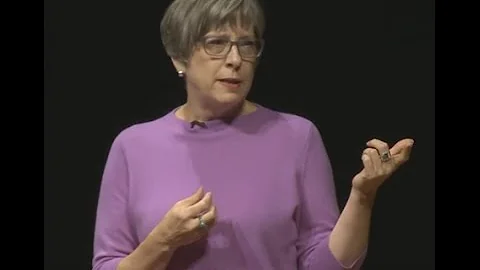
Lets Start a Movement Slow Reading Pat Leach TEDxLincoln
TEDx Talks
17.7K مشاهدة · 9 yr ago
7:08
Why I read slow to learn more
Daniel Aros
3.7K مشاهدة · 3 yr ago
4:40
The Art of Slow Reading 5 Tips for Mindful Reading as a Creator
Andrew Lavers
2.1K مشاهدة · 3 yr ago
2:42
Slow reading
TMJ4 News
4K مشاهدة · 11 yr ago
11:19
How slow reading can change your brain
DamiLee
2.6M مشاهدة · 4 yr ago
16:27
Why Reading SLOWLY Makes You Smarter
The Read Well Podcast
4.2K مشاهدة · 7 mo ago
11:13
Reading Skills Read Faster and Remember More
Jim Kwik
125.6K مشاهدة · 1 yr ago
15:34
5 Tips For Slow Readers Not Speed Reading
Paperback Journeys
8.6K مشاهدة · 2 yr ago
5:49
I am a slow reader 5 Tips to overcome subvocalization
Du’An Lightfoot
10.2K مشاهدة · 5 yr ago
8:41
How to Read Faster Even If Youre a Slow Reader
Tanya Sok
3.7K مشاهدة · 8 mo ago
4:17
Im a very slow reader heres how I deal with it
Hugo's Media Collection
3.2K مشاهدة · 3 yr ago
1:26:53
FROM SLOW TO SMART READING How To Build Strong Reading Skills Step by Step
Releaders Bookclub
348 مشاهدة · Streamed 1 mo ago
3:26
Master the Art of Reading The Five Phase Method for Enhanced Comprehension
Studying Machine
129 مشاهدة · 2 yr ago
8:19
Slow Reading Mastery How my visual book summary process has evolved
Zsolt's Visual Personal Knowledge Management
5.2K مشاهدة · 2 yr ago
29:48
BEST ADVICE FOR SLOW READERS
Tristan and the Classics
95.4K مشاهدة · 3 yr ago
10:55
Jacqueline Woodson What reading slowly taught me about writing TED

 12:31
12:31
 7:08
7:08
 4:40
4:40
 2:42
2:42
 11:19
11:19
 16:27
16:27
 11:13
11:13
 15:34
15:34
 5:49
5:49
 8:41
8:41
 4:17
4:17
 1:26:53
 3:26
3:26
 8:19
8:19
 29:48
29:48
 10:55
10:55


