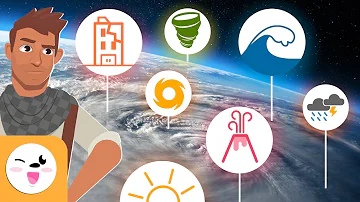
we my this is flood help help but first you need to learn about floods zoom in many of you might think that floods are just overflowing of water well it is much more than that an event when dry piece of land suddenly gets submerged in water is usually known as floods don't take it lightly flood comes in all depths sometimes it is so high that you don't even have place to go the power of floods is sometimes very dangerous it can knock your car off and sweep you off your feet too causes of floods are heavy rains river overflow tsunami or hurricanes ice or snowmelts breaking of dams etc help who so flood can be divided majorly into three categories slow onset floods this kind of flood usually happens when water bodies overflood their banks as the name suggests this one develops slowly which can last for days or even weeks rapid onset floods this kind of flood thus for day or two even though it is destructive it still takes little time to develop and thus giving people chance to escape now comes the most dangerous of them all flash floods this kind occurs within very short time that is two to six hours and sometimes within minutes this doesn't give any time to prepare no warnings no words of caution just destruction but hey don't lose heart we can do our bits to prevent floods yes that's right planting more trees help preventing floods the roots of plants and trees dig deep into the soil and create spaces between soil particles which help in seeping and holding on to flood water trim your time floods can even occur in deserts in ancient egypt people relied on the nile river floods because they created enriched soil for farmers so what are the three types of floods well you keep thinking and post your answers in the comment section below this is me zooming out tune in next time for more fun facts hey friends isn't the weather lovely wait minute is it me or is the ground moving whoa be careful it's landslide let me tell you about this natural disaster when the upper mass of the soil gets dislocated from the lower layers and travels downslope it is referred to as landslide it is also called slip or mudslide landslides can be caused by number of reasons it could be either natural causes like volcanic eruptions soil erosion and sometimes heavy rainfall increases the wrath of landslides even human activities like mining cutting trees increase the fertility of land and make it more prone to landslides one of the most prevalent reasons is gravity well whatever is up has to fall down due to gravity isn't it landslides can either move very slowly like some millimeters per year or it could be disastrously fast sometimes more than 100 miles per hour but if you're living on flat land with no hills or mountains then you're safe but if you're living somewhere between mountains and on hilly terrain then my friends you might be at risk but don't worry you could always prepare with some simple steps avoid building houses near steep slopes or at the edges of mountains stay away from drainage paths because water flow increases the speed of landslides landslides do not only happen on earth many scientists believe that planets like mercury mars and venus have had landslides too whoa looks like friends i'm not even safe here trip your time landslides can happen underwater too and they are called submarine landslides the hot mountain landslide is the largest landslide ever recorded that has happened 50 million years ago friends what are the other two names for landslides post it right below in the comment section and wait for more fun facts this is me zooming out what's wrong with the water today one day of no water can be so troublesome isn't it but can you imagine living for week without adequate water supply that's what happens in drought and this is what we'll be talking about today come on zoom in droughts are usually defined as extended periods of time with less than average rainfall causing water shortage on the surface in the atmosphere or in the ground water levels it truly becomes disaster when it begins to affect crops and the lives of people and animals alike trots can lead to the destruction of crops erosion of soil severe shortage of water supply etc trots can be classified into four different types these are meteorological drought this kind of drought is specific to different regions based on the weather for example 20 inches of rainfall in year is normal for place but the same amount could be very less to place agricultural drought this accounts for the water needs of crops and agriculture for instance not enough water at planting may cause low eels leading to low plant populations hydrological drought refers to continuous low water volumes in streams rivers and reservoirs human activities can worsen hydrological droughts hydrological drought is often linked with meteorological droughts social economic drought this occurs when the demand for water exceeds the supply examples of this could be when state requires lot more water than is produced from hydroelectric stations or underground wells now that you know about what droughts are let me tell you some tips on how to survive them the one major rule you must keep in mind is save water so here are some tips for serving water during drought fill the washing machine and dishwasher to full before starting them wash fruits and vegetables in bowl of water instead of under running water don't leave the water running while washing your face or brushing your teeth take smaller showers or if you use bathtub fill it only halfway and most importantly recycle don't waste water that can be reused somewhere else such as to water plants or cleaning your time only 0.3 percent of water on earth is fresh water available for human consumption once thriving settlement by the pueblo people in chaco canyon new mexico was abandoned in the 13th century due to 16-year mega drought well friends now you know what droughts are and how to prepare and survive through them for more fun facts tune in next time till then this is me zooming out hello it's quite windy today so thought i'll take quick flight it sure is windy no it's storm you mean hurricane hurricane stop whatever just run you mean fly forget it just calm down okay well that reminds me that today's topic is hurricane zoom in whoa hurricane is huge storm that generally forms over warm ocean waters near the equator the warm air above the ocean rises upward thus creating an area of low pressure below air from the surrounding areas push in and try to fill the area with low air pressure which now becomes warm and moist and rises too as the moist air rises the surrounding air again tries to fill in and this process continues till the water in the air forms clouds soon the clouds and winds spin around fueled by the ocean's heat and water vapor therefore hurricanes could also be called giant engines that use warm and moist air as their fuel when we see from the top hurricanes can be as huge as 300 miles wide the center of the hurricane is called the eye of the hurricane which is the calmest part the eye wall surrounds the eye where the most damaging winds are found it can range anywhere from 5 to 30 miles then comes the rain bands which surround the eye wall these bands are series of dense clouds that give pinwheel like appearance to the hurricane which range from 50 to 300 miles hurricanes are divided into five categories depending on the speed of their wind here take look category 3 and 5 are the most dangerous ones trivia time huge hurricane can release energy equivalent to 10 atomic bombs per second hurricanes in the pacific ocean are known as typhoons so this is me zooming out tune in next time for more fun facts bye you're laughing right watching me tumble like that are you no no go ahead but hey do you know what just happened there we go again well this is nothing but an earthquake small one indeed come let me tell you about earthquakes today zoom in the surface of the earth is like jigsaw puzzle yes it's not single piece of land but approximately 20 pieces of puzzle that constantly move but you don't feel it because they move quite slowly each one of those puzzle pieces are called tectonic plates so whenever those plates hit bump or slide past another plate an earthquake is caused the surface where these plates slip is called the fault or the fault plane so when do you think it happens well it happens all the time but hey don't be scared most of the times we don't feel the quakes as they are too small to reach us but sometimes they are so strong that they can be felt over thousand miles away the place where the earthquake originates is called the hypo center and the place where it occurs on the earth's surface is called the epicenter there are three types of earthquakes convergent boundary here one plate is forced over another during an earthquake which causes thrust fault many hills and mountains have been formed due to the convergent boundary divergent boundary here plates are drifted apart from each other forming rift zone this kind gives birth to new ocean flows transform fault here the plates slip by each other and this is also called strike slip so earthquakes are nothing but the shaking rolling or sudden shock of the earth's surface now you know that whenever the earth is stressed or angry it shakes and grumbles don't be scared was just kidding trim your time the instrument used by scientists to measure the intensity of earthquake is known as seismograph tsunami is caused when earthquakes occur underwater whoa yikes need to rush before tumble again so this is me zooming out tune in next time for more fun facts hey hello friends no guess that's tsunami come let me tell you all about it zoom in tsunamis are caused by sudden movements of the ocean flow due to earthquakes landslides on the seafloor land slumping into the ocean large volcanic eruptions or meteorite crash on the ocean floor when an earthquake landslide or volcanic eruption occurs on the sea or ocean bed vertical jolt is created which displaces the bed and causes extreme tension in water the water is pushed upwards but gravity tries to pull it down this causes an upsurge in the water levels and the waves start moving away from the point of tension tsunamis are barely felt as ripple on the ocean surface as the water is quite deep but as and when those waves reach the land the water becomes shallower and the waves constantly increase in height they hit the shore and my caused lot of destruction it is said the first wave of tsunami is not the strongest but the successive waves are bigger and stronger and tsunamis can travel at speed of about 500 miles per hour which is almost as fast as jet plane and that's why tsunami waves are called killer waves deadly isn't it trivia time did you know that tsunami wave can be less than 30 centimeters in height and can pass off unnoticed if you get stuck in tsunami don't swim because the currents will pull you in the opposite direction just hold on to floating object and be safe so here's the deal go watch this video to know more about earthquakes after all that's one of the major causes of tsunami this is me zooming out tune in next time for more fun facts hello friends are you wondering what this is well it's the molten lava that comes out from volcano come let me tell you what volcano is zoom in i'm sure you've seen mountains that open up and blurt out thick molten semi-solid-like substance well that's called volcano let's learn more about it volcano is vent or chimney that connects magma from within the earth's crust to the earth's surface the liquid rock is called magma when it is under the earth's surface and lava after it comes out so how does volcano erupt the molten rock stone in the magma chamber rises through the crater pipe pockets as it travels up the main vent gasses expand and water becomes steam creating pressure when the pressure can no longer be contained the volcano erupts through the crater and secondary side vents common volcanic gases include water vapor carbon dioxide sulfur dioxide hydrogen chloride hydrogen fluoride and hydrogen sulfide popular belief is that volcanoes are large cone-shaped mountains but that's not true there are many more types of volcanoes such as white plateaus fisher vents and bulging dome shapes there are also volcanoes found on the ocean flow and even under ice caps such as those found in iceland trivia time the word volcano originally comes from the name of the roman god of fire vulcan the tallest volcano in the solar system isn't on earth at all but on mars so tune in next time for some more fun-filled facts this is me zooming out
5:11
Top 10 Natural Disasters for Kids
Learn Bright
8.9M مشاهدة · 2 years ago
10:24
Natural Disasters for Kids Learn 35 Natural Disasters Vocabulary

 5:11
5:11
 10:24
10:24
 8:17
8:17
 49:01
49:01
 12:51
12:51
 10:10
10:10
 3:52
3:52
 12:02
12:02
 0:21
0:21
 0:06
0:06
 7:01
7:01
 0:55
0:55
 4:51
4:51
 12:36
12:36
 20:06
20:06
 4:10
4:10
 30:44
30:44
 4:22
4:22
 6:40
6:40


