النص الكامل للفيديو
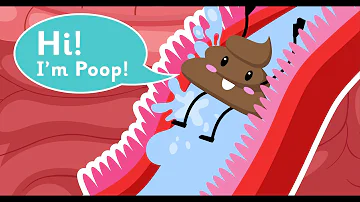
Have you ever wondered what happens to food after you swallow it? Let's travel inside the human body and watch the amazing digestion process. Digestion begins in the mouth. Teeth break food into smaller pieces while saliva mixes with it. Saliva contains enzymes that start breaking down carbohydrates. After swallowing, food moves down tube called the esophagus. Muscles push the food downward using wave-like movements called peristalsis. The liver makes bile to break down fats. The pancrea sends enzymes to help digest proteins, fats, and carbohydrates. Water is absorbed in the large intestine. Waste material becomes solid and moves toward the rectum. From one bite of food to energy for your body, digestion is an incredible journey happening every day inside you. Once digestion is complete, vitamins, minerals, sugars, amino acids, and fats pass through the walls of the small intestine into the bloodstream. The blood now carries these nutrients throughout the body. Your cells receive glucose for energy. Inside the cells, tiny structures called mitochondria convert nutrients into usable energy, helping you move, think, and stay alive. Muscles use nutrients to move your body. The brain uses glucose to think. The heart uses energy to pump blood. Every organ depends on nutrients from the food you eat. If your body doesn't need all the energy right away, the liver stores extra glucose as glycogen for later use. Extra calories may be stored as body fat. This stored energy can be used later when food is not available. Your digestion controls your energy, skin, mood, and health. Here's how to help your body digest food the right way. Digestion begins in the mouth. Chewing well helps the stomach work less and absorb nutrients better. Chew each bite slowly and properly. Water helps break down food and move nutrients through the body. Drink water throughout the day, especially before meals. Too much food overloads the stomach and slows digestion. Eat until satisfied, not stuffed. Fiber helps food move through the intestines and prevents constipation. Eat fruits, vegetables, oats, beans, and whole grains. Too much greasy and processed food can cause bloating and poor digestion. Health advice, reduce fast food, sugary snacks. This sluggish system shows the impact of poor food choices. short walk after meals can help digestion and reduce bloating. Walk for 10 to 15 minutes after eating. Stress can upset your stomach and slow digestion. Health advice, pray, breathe deeply, rest and relax daily. Your body repairs and balances digestion during sleep. Sleep 7 to 8 hours and avoid heavy meals before bed. Healthy digestion means better energy, stronger immunity, and healthier life. Take care of your stomach. Your whole body depends on it. Without digestion, food stays trapped in the stomach and intestines. Nutrients cannot be released and the body begins to starve even after eating. Since nutrients never reach the blood, cells lose fuel. Weakness, dizziness, and extreme fatigue begin quickly. The brain lacks glucose. Muscles lose strength. The heart must work harder. Every organ depends on digestion to survive. If the intestines stop moving, waste and gas build up. Pain, swelling, nausea, and dangerous blockages can occur. Without nutrients, hydration, and waste removal, the body cannot continue normal function. Digestion is not optional. It is life support. Your digestive system works silently every day. Protect it with healthy food, water, movement, and rest. Take care of your gut.

 0:18
0:18
 2:05
2:05
 3:30
3:30
 4:40
4:40
 1:51
1:51
 4:32
4:32
 4:28
4:28
 9:12
9:12


