hello let's talk about the planet Mercury because I'm geologist on the team that's going to send the next spacecraft to the planet Mercury the only being two spacecraft that have been there so far and what they have taught us is that we don't understand mercury which is why we particularly wish to revisit it and find out what the heck is going on as you might know mercury is the nearest planet to the Sun that means it's not all that far from the earth ever but it's actually very difficult planet to get into orbit about because if you head off towards mercury the Sun's gravity is pulling you all the way and you just whiz by it it's very difficult to achieve orbit and once you are in orbit you're obviously very hot planet at noon the surface of the planet below is at four hundred and something degrees centigrade that's even hotter than it feels on the streets of London today so it's it's difficult planet to work at but we do know somewhat about it so let's just recap that to begin with his mercury as size comparison with Earth it's smaller than the earth if it's the smallest planet of the solar system it's rocky body when you see some closer up pictures you'll see lots of impact craters on it rather like the moon and it has no atmosphere so there's no weathering to erode the surface away and what we knew before we ever sent spacecraft there it was but it's dense planet which told us that it must have large iron core and first spacecraft to visit mariner 10 in the 70s flew by and discovered that it has magnetic field now that's something that nobody expected and what that implies is that the outer part at least to the planet's core has got to be molten so you've got molten outer part of the iron core churning around generating the magnetic field so here's what we think Mercury's like inside solid inner core molten iron outer core then the brown and the grey layers on the outside of the rocky part the mantle the crust and that's not very thick rocky outer pass that's what the planet is so dense because ions denser than rock we think it probably started off with the same ration of rock that the earth and Venus and Mars have but it lost most of its rock in in collision it could well have bounced off the earth or bounced off Venus well it was migrating inwards to its present orbit we're not sure about that yet so how are we gonna get there with with Pepe Colombo this is our spacecraft which we're launching in October 2018 just few months now it's powered by an iron drive which is pretty cool and that gets us there on long trajectory I'm going to show you the European Space Agency's video about the trajectory so joint European Space Agency Japanese Space Agency mission I've edited the video slightly just to cut few steps out because it's quite complicated so we're launching from the earth we fly away from the earth and we come back to the earth we swing past the earth we have to swing boys of Venus then half dozen swing bys of mercury when it is mrs. rocket science so it is it's gotta be difficult but the aim of it all is to eventually sneak up on mercury traveling slowly enough but the planet can capture you into orbit about it because being in orbit is what you want to do because once we're in orbit we hope to operate for at least year hopefully two or three years collecting new data about the planet so at the very end of 2025 fifth of December we're getting into orbit about the planet and that's when the data will start to flow back to earth now we do yes what we do when we arrive we ditch the ion drive it's done its job and the rest of the spacecraft goes forward into orbit and the first thing we do is spin up this octagonal chap that's the Japanese orbiter named me the job of that is to study the planet's magnetic field in particular detail the rest of the spacecraft and that is bit closer we ditched that cylinder which was the sole the shield to keep the sunlight and heat from the Sun in particular off mio when arrested spacecraft thats pepe Columbo proper the European part of the spacecraft that will study in particular the planet's surface and one reason there are many reasons one reason we want to understand more about the surface is that NASA's recent mission messenger which orbited Mercury for four years until April 2015 told us lot about the planet but mostly what it told us was hey you don't understand this place there's lot about it but it's perplexed us in particular it's found that the planet is rich in volatile materials it's rocky but the Rock has volatile stuff in it and that is chemicals which will turn to vapor quite easily we know there's lot of sulphur there we don't know what form it's in and it needn't be sulphur that's doing the activity anyway we're not sure we've mystified basically and here is what it looks like here's view obliquely from messenger let me just pan up towards the horizon think this is fantastic view this is what you would see looking out of window of that spacecraft assuming had been able to take passengers it's view across an alien world and that biggest crater you can see there with ring of central Peaks it's about 300 kilometres across so an airless cratered world but that rocky surface there we're pretty sure now is almost all volcanic lava but laughs laughter laughs laughter laughs low butts built up that surface it's not very colorful world but there is color available and colors useful because it tells you about the compositional variations across the surface so that's now turned into color view and we usually use computers to exaggerate the color so here comes in the exaggerated color view there are red areas and bluer areas on the surface it's slightly different compositions but almost all volcanic lava let me set the globe spinning so you can see all the way around the globe near the North Pole as orange lavas just coming into view now this is fifteen hundred kilometer diameter basin in the northern hemisphere full of orange lavas and we'll look at part about in little bit more detail so all bluh variations but almost all volcanic lava here's that big 1500 kilometer basin and I'm not going to talk about the lavas which were occupying its floor said was going to talk about the volatile history of the planet and it's these orange areas around the southern fringe of basin there's one there one there and I'm going to show you detail within this square here because we think the most intense orange areas are products of explosive volcanic eruptions and to have an explosive volcanic eruption it's not just love using out the lavas got some gas in it and the gas expands and drives an explosion so here inside that box we have what we think is volcanic vent and hole in the ground in the middle there is clearly not circular yeah for plenty of circular features which are impact craters but about central one or it's been described this kidney-shaped it's certainly not round that's not the products of an impact and that hole in the ground is surrounded by an orange deposit with diffused outer edge and we think that's the stuff thrown out by an explosive volcanic eruption now these explosions on Mercury I'm not going on today the most recent one was few hundred million years ago but we have seen similar explosions on one of the moons of Jupiter here's video shot by spacecraft flying past to you for few years ago so we have an explosion source the stuff gets thrown out and falls back to the ground and produces these deposits now we can look inside this vent in black and white in in more detail and you see the structure inside that vent it's it's complex structure and if that's not one hole it's several overlapping holes we think the one that the left-hand side is the oldest and they generally get younger towards the right so the history of volcanic explosions which built up the surrounding deposit goes something like this the most recent eruption was in this hole near the middle there we think this is the volcanic vent for which we have just about the best most detailed imaging but don't all look like this though here's rather crescent-shaped hole in the ground inside the big impact crater see an orange deposit around it this is about the black-and-white view we have of it not as detailed as we'd like and we don't know if we just went BAM and the whole thing blew up at once or did it maybe start erupting from one end and sort of unzip itself over possibly several hundreds of millions of years to complete the job we don't know which is why we want to go back and find out history of this and the other vents and try and work out what the heck the gas was what was exploding to drive these eruptions there's one more aspect of the volatile richness of mercury but want to touch on before finish and that concerns features called hollows I'm going to zoom in to this area here on this ring of Peaks within big impact Basin the ground is generally red but there are places where the top surface has been removed to expose this bluish stuff below what you've got there is about 20 meters of the top surface it's been removed it's happening on the floor you have level plane and on the peaks of those hills so it's all over the place now how are you removing this material to give you about strange landscape there's no wind on Mercury but it never has been an atmosphere so you can't blow the stuff away it's not falling into underground caverns it's got to be being removed to space turn to vapor or broken apart atom by atom now again we don't know what the substance is it's being removed or what process is driving it but clue is that it's so close to the Sun so here's cross-sectional view there's this Sun in the sky three times closer to mercury than the Sun is to the earth so you've got intense sunlight beating down and also charged particles from the Sun the solar wind they're not somehow it's attacking the surface vaporizing it or just tearing the molecules apart so individual atoms escape we don't know but it eats into the top most volatile layer of surface producing these holes in the ground and when they've reached their maximum depth just get wider and wider and wider and leave UV at landscape we see today but we don't know what's been stripped away but we're pretty sure but this is going on today this is young landscape you don't see any craters impact craters superimposed this is happening today very slow but it's an ongoing process on Mercury which we want to understand because we don't know why it's rich in volatiles in the first place and we don't know what volatiles are escaping so showed you the long cruise of Pepe Colombo it's gonna take seven years to get there so what are we going to be doing in the meantime well we're still working very hard on data from NASA's messenger mission I'm team I'm involved with mostly Italians Germans and Brits is making geological maps of the whole of mercury using the messenger images so it can understand the context of the observations that we will make when we get our own European Japanese spacecraft ensemble aver here's an example this is part of the planet few hundred kilometers across and here is the geological map of that region in progress from one of my own PhD students at the Open University and we will get maps of this quality we hope over the whole planet and just to conclude here's something that you should all be very proud of this is the British lead instrument on bepi Columbo masterminded from in fact Leicester University and this is an x-ray telescope this is going to map the distribution of the chemical elements across the surface of the planet hopefully tell us what's escaped in the volcanic eruptions and what's been removed to form those hollows in the volatile liberation process so you as taxpayers have helped pay for this so thank you very much for that and and when we start getting the data back in 2026 hope you're going to be as excited as me to find out what it's discovering thank you
3:15
You Learned the Solar System Wrong
CGP Grey
11.1M مشاهدة · 6 yr ago
3:09
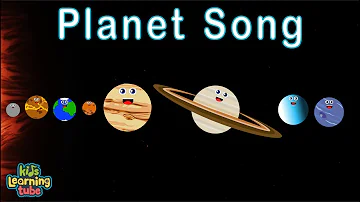
The Planet Song 8 Planets of the Solar System Song for Kids KidsLearningTube
KLT
222.2M مشاهدة · 11 yr ago
8:46
Why the Closest Planet to the Sun Is Not the Hottest
BRIGHT SIDE
64.1K مشاهدة · 3 yr ago
1:19
How to Remember the Order of the Planets Starting from the Sun FUN EASY Solar System mnemonic
Fundamental Raps
127.5K مشاهدة · 2 yr ago
7:21
What Does The Sun Look Like from Other Planets Sun On Different Planets
Taleomatics
301.8K مشاهدة · 3 yr ago
13:19
Mercury Explained The Closest Planet to the Sun
DataCosmos
1 مشاهدة · 7 hr ago
1:43
The closest planet to every other planet is
SolarBalls
4.1M مشاهدة · 3 yr ago
0:36
WHAT IS THE CLOSEST PLANET TO THE SUN
AstroBayanni
1.6K مشاهدة · 3 yr ago
0:14
How big is the Sun compared to the Earth
Science Explained
3.5M مشاهدة · 1 yr ago
4:29
Mercury for Kids Learn about the closest planet to the sun in our solar system
Learn Bright
110.6K مشاهدة · 1 yr ago
4:06
Mercury The Closest Planet to the Sun
One Square
11 مشاهدة · 3 yr ago
20:12
The Closest Planet Outside Our Solar System Is Within Reach Proxima Centauri
Astrum
1.7M مشاهدة · 2 yr ago
0:11
Closest planet to the sun
LeoLaus Quiz World
446 مشاهدة · 1 yr ago
2:01
Earth Planets and Sun Size Comparison 3 D
kidomind
1M مشاهدة · 3 yr ago
13:38
10 Of The Closest Stars To The Sun
Insane Curiosity
124.7K مشاهدة · 5 yr ago
11:06
How Long Would It Take To Reach Each Of The Planets In The Solar System

 3:15
3:15
 3:09
3:09
 8:46
8:46
 1:19
1:19
 7:21
7:21
 13:19
13:19
 1:43
1:43
 0:36
0:36
 0:14
0:14
 4:29
4:29
 4:06
4:06
 20:12
20:12
 0:11
0:11
 2:01
2:01
 13:38
13:38
 11:06
11:06
 0:59
0:59


