LANDFORMS Types Of Landforms Landforms Of The Earth The Dr Binocs Show Peekaboo Kidz
النص الكامل للفيديو
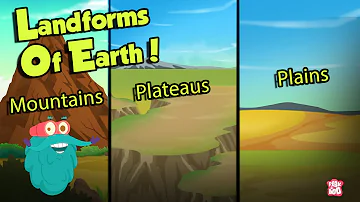
foreign the highest landform in the world little kitty yes little kitty hey friends in today's episode let me take you around the globe to witness the natural beauty our Earth is blessed with known as the landforms and briefly explore the exciting formation process with stunning Graphics from our creative team zoom in so what are the landforms of the Earth just like all living beings have certain physical features that distinguish them from each other similarly the planet earth is made up of various unique features and characteristics we call landforms yes my friends the landform is the natural geographical or physical features of the Earth that are classified into various types such as mountains Hills valleys plateaus Plains Etc but before we shed some light on these types of landforms let us briefly examine the process leading to the formation of these features first comes the external process in which external factors such as Wind and Rain shapes the Earth's surface by erosion and deposition yes erosion is process in which sediments get deposited in different location whereas sediments are the materials on the Earth's surface such as soil and rocks next comes the internal process and as the name suggests it is the process that occurs inside the Earth's surface such as late tectonics and volcano eruptions these occur because of the extreme heat in the Earth's core causing the molten rock in the mantle layer to move as result causing uneven movement on the surface these layers are either uplifting or Sinking forming different types of landforms that can be categorized into mountains plateaus and Lanes so let us explore these major types of landforms starting from the mighty mountains mountains are landforms higher and steeper than the surrounding areas in general the mountains are higher than 200 feet and divided into three categories fold block and Volcanic yes when two tectonic plates collide and the edges of these plates fold because of the tremendous force between them it creates the fold mountains on the other hand the block mountains form when large areas are broken and displaced vertically these large areas of rock sometimes stretching across hundreds of kilometers are created by tectonic and localized stresses in the Earth's crust and the third type of mountains are the volcanic mountains that are formed due to the magma flowing up from the mantle to the crust of the Earth next comes the planes most of the Earth's surface consists of low and high plains that are flat or the low relief areas on the surface of the Earth these are the most fertile region of the planet and are the most suitable for human habitation and agriculture activities like farming and poultry it might be formed as result of the sedimentation of bloated soil from the top of the hills and mountains or due to flowing lava deposited by the Agents of wind water and ice now let us look at the landform we call plateaus plateau is flat elevated landform that rises sharply above the surrounding area on at least one side plateaus occur on every continent and take up third of the earth's land and are divided into two categories dissected plateaus and Volcanic plateaus dissected plateau forms due to the upward movement in the Earth's crust caused by the slow Collision of tectonic plates whereas volcanic Plateau is formed by numerous small volcanic eruptions that slowly build up over time creating plateau from the resulting lava flows and the fourth major type of landform is the ecological landscape known as the deserts it is dry piece of land with little or no vegetation due to lack of rainfall in deserts the atmospheric air is arid and the daytime temperature is high the process by which fertile land becomes desert is called desertification you won't believe but human activities are primary cause of desertification yes these activities include over grazing of livestock deforestation over cultivation of farmland and poor irrigation practices over grazing and deforestation remove plants that anchor the soil as result wind and water erode the nutrient-rich topsoil also Hooves from feeding livestock compact the soil preventing it from absorbing water and fertilizers trip your time did you know the largest plateau in the world is the Tibetan Plateau located in Central Asia yes it stretches through the countries of Tibet China and India and occupies an area of 2.5 million square kilometers also landforms can exist underwater in the form of mountain ranges and basins Under the Sea the Mariana Trench the deepest landform on Earth is in the South Pacific Ocean hope you learned something new in today's episode until next time it's me Dr binox zooming out and the painting is done never mind
صفحات ذات صلة

حل درس عصفور الزيبرا لغة عربية للصف السابع فصل ثالث مناهج الامارات

درس تطور التجارة في وطني الدارسات الاجتماعية الصف الثالث الفصل الثاني

COUNTRIES of the World for Kids Learn Continents Countries Map Names and Flags

Lesson Video MAPS Lesson Plan 2 nd 3 rd grade

Year 3 Social Studies Lesson 24 Geographic Information Maps

Lesson 4 Our country social studies for class 3

Maps for Kids Learn how to read a map and other skills in this fun introduction to maps

Map and Globe Skills Video Lesson How to Teach Geography Scale Compass Rose and More