النص الكامل للفيديو
Algae Today, you will become phycologist. phycologist is someone who studies algae. Algae are living organisms that are similar to plants. Like plants, algae make their own food through process called photosynthesis. During photosynthesis, algae uses sunlight, water, and carbon dioxide from the air, to make food for itself. Most algae store that energy as some form of carbohydrate or sugar. Algae can be found in, oceans, rivers, lakes, ponds, or even in aquariums. Many types of algae have been around for more than 2 billion years. There are about 37,000 known species of algae. And new algae are always being discovered. Here are few common types of algae: Brown Algae, which is better known as kelp has about 1,800 species. Most are marine and are found in colder waters. Brown algae is the largest and most complex type of marine algae. It is olive or yellowish-brown in color. It attaches to rocky coasts or floats freely in warm and mild climates. Green Algae are mostly found in fresh water, attached to submerged rocks or wood. On top of water, it looks like layer of green scum. Green Algae serves as food and source of oxygen for some aquatic organisms. Red Algae is mostly found in warmer climates and in very deep water. There are nearly 7,000 species of red algae with about five percent occurring in freshwater environments. Red algae, called Rhodophyta, are often attached to other shore plants. red alga, known as nori, is popular food in Japan. Sea lettuce, and some kelp are other common seaweeds that are eaten. Sea kale is either dried or cooked into various stews and soups for people to eat. Red and Brown algae aren’t just eaten, they are also used in the manufacturing of some industrial products, like animal feed, plastics, fertilizer, makeup, and medicines. There are two different types of algae: Macroalgae and Microalgae. You are probably familiar with Macroalgae, which you know by the name seaweed. Seaweed looks like big plant or weed that lives in the ocean. But scientifically, algae are not classified as plants. Instead, they are classified in category called protist. There are different kinds of seaweed. Some are made up of one cell, while others are made up of many cells. Seaweed is macroalga because it is multicellular organism. This means it is made up of many cells. Like plants on land, Macroalgae are made up of different parts. Let’s take closer look. The Holdfast in Macroalgae is kind of like the roots of plant on land. But unlike the roots of plant that absorb nutrients, the holdfast does not provide nutrients to the algae. Instead, it provides support, or helps hold the seaweed in place. Nutrients are actually absorbed by the entire algae as it sits in the water. One part of Macroalgae that provides nutrients to the holdfast is called the Stipe. The stipe is like the stem of flower. But not all seaweed have stipe. The Blade is similar to leaf on plant. And collection of blades is called frond. Air-filled bladders which are also called floats, help keep the stipe and fronds floating. The floats or airbladders contain gas which help lift the algae to the surface of the water so they can get sunlight. In algae that don’t have floats, the stipe does this job. Now that you know about Macroalgae let’s learn about Microalgae. Microalgae are referred to as phytoplankton. Phytoplankton are microscopic marine algae. Micro- means very small. So, you can think of microalgae as tiny plants that live in water. They are so small that they can only be seen under microscope. Microalgae float in the upper part of the ocean. Phytoplankton contains chlorophyll and it needs sunlight to live and grow. Some phytoplankton live in fresh water and are called pond algae. Others are bacteria, and some are protists. Unlike macroalgae that are made up of many cells, most phytoplankton are single-celled plants. That means they are made up only one cell. Microalgae are not made the way plants on land are. Those plants have leaves, roots, and other organs while microalgae do not. Microalgae generally live attached to rocks or other hard substances. Microalgae can appear blue, green, yellow, brown, or orange in color. The two main types of microalgae are called, diatoms and dinoflagellates. Diatoms can be shaped like circles, ovals, triangles, or stars. There are tiny amounts of oil within their cell, which helps them move in the water to find food and nutrients. Dinoflagellates have two flagella. The flagella look like short tails and help dinoflagellates move through the water. They also have oil within their cell to help them swim. Algal blooms are made up of both diatoms and dinoflagellates. Algal blooms happen when lot of algae grows very quickly. They are recognized by how they discolor the water. The blooms can cause problems for the environment. They can prevent sunlight from reaching other organisms in the water. They can also impact tourism because most people don’t want to swim in water with lot of green muck in it. They can reduce the amount of oxygen in the water as well. They can also cause food poisoning when shellfish eat them and then humans eat that shellfish. Some of the blooms, however, are beneficial to the environment because they provide large amounts of food for fish. Much of Earth’s oxygen comes from microscopic algae. They are also the beginning of the food chain for many animals. And larger algae provide shelter and habitat for fish and other invertebrate animals. Whether you are eating it, using product that has algae in it, or swimming near it, Algae has many benefits to humans, other organisms, and the environment.

 8:03
8:03
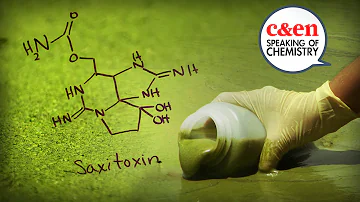 3:54
3:54
 6:24
6:24
 2:11
2:11
 7:30
7:30
 10:15
10:15
 21:05
21:05
 11:13
11:13
 14:22
14:22
 18:36
18:36
 6:36
6:36
 3:48
3:48


