النص الكامل للفيديو
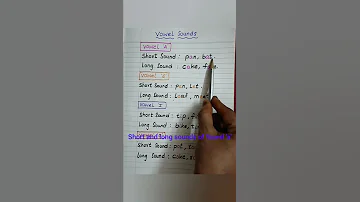
Linda Farrell: What do we call that vowel sound? You say Calista: Short Linda Farrell: You got it! Calista is in first grade at Windy Hill Elementary School in Calvert County, Maryland. She's an early stage reader who sounds out letters accurately. And she can blend those letters together to form words. Linda Farrell: Calista, could you please read this column. Calista: /D/, /i/, /d/, "did." /A/, /d/, "add." /P/, /al/, pal. /G/, /um/, "gum." Reading expert Linda Farrell is helping Calista take the next step toward fluent reading -- reading each word as whole rather than one sound at time. Their time together will include work on short vowel sounds, blending and manipulating sounds, reading whole words, and fluency. Ms. Farrell starts by making sure Calista has strong foundation in her short vowel sounds. Linda Farrell: We're gonna learn some motions. Can you hold an apple in your hand? And when ask you the short sound, you're gonna say, /aaa/. Say it. Calista: /a/ Linda Farrell: Now watch me. /Aaaaaa-pul/. You do it. Calista: /Aaaaaa-pul/ Linda Farrell: Okay. That is going to remind you of the short sound. That's our motion, so say, /aaa/. Calista: /a/ Linda Farrell: And when ask you what the short /a/ sound is, you're gonna go /aaaa/. Do it. Calista: /aaa/ Linda Farrell: Okay. For short go like this. Watch me. Go /eeeeeh-j/. Calista: /eeeeh-j/ Linda Farrell: So we want to start out by making sure she's solid with her short vowel sounds. So that's the first thing we did. And she did know her -- when said, "What's short she knew it. She had to think little bit. So what we did is we want her to -- when she can't remember the vowel sound real easily, we want to not have to give it to her. We want her to have scaffold to learn it. So we taught Calista the motions that go with the vowel sound, so that if she can't remember vowel sound -- what is the short sound? -- then all she has to do can go like this and remind her, or she can go, it's /ah/, it's octopus. Linda Farrell: tell you what we're gonna do. We are gonna go to short Are you ready? Okay. Here we go. /Aaaaahc-tuh-pus/. Calista: /aaaaahc-tuh-pus/ Linda Farrell: Now we're not gonna say the /k-tuh-pus/ part. We're just gonna /aaah/. Calista: /aaah/ Linda Farrell: What's the short sound? Calista: /aaah/ Linda Farrell: And make the motion. Calista: /aaah/ Linda Farrell: What's the short sound? Calista: /aaa/ Linda Farrell: Short Calista: /aaah/ Linda Farrell: Okay. Now we're gonna learn short You ready for short /Uuu-p/. Do it. Calista: /uuu-p/ Linda Farrell: And the first sound in up is /uuu/. Calista: /uuu/ Linda Farrell: What's the short sound? Calista: /uuu/ Linda Farrell: Short Calista: /aaa/ Linda Farrell: Short Calista: /aaah/ Linda Farrell: Short Calista: /uuu/ Linda Farrell: The vowel motions that we teach are purposefully motions. They aren't static, because if say /a/, /eh/, /i/, /ah/, /u/, you can hardly hear the difference between those sounds. /A/, /eh/, /i/, /ah/, /u/. And children who have phonological awareness difficulties, which is the biggest one of the -- it is the biggest problem in reading issues -- they don't hear the vowel sounds easily. Listen to this: /aaaa/, /eeeeh/, /iiiii/, /aaah/, /uuuu/. They sound different. So we want to encourage the children not to say /a/. We want them to say /aaaa/; therefore, the motion that we use -- which is holding an apple and then move it across the front of your body, left to right, motion of reading, /aaa/, and then /pul/ is what the rest of the word is, but we only say the first sound -- everything encourages them to draw out that sound. Linda Farrell: Now we're gonna learn short Are you ready for short Calista: Mm-hmm. Linda Farrell: Okay. Watch this. went stomping -- went hiking, and stomped and tromped in some poison ivy, and, boy, do /iiiiiii-ch/. Do it. Do this. Calista: /iiiii-ch/ Linda Farrell: /Iiiiiii-ch/. Do it. Calista: /iiiii-ch/ Linda Farrell: Now, you have to smile real big when you say itch. Go /iiiiiiiii-ch/. Calista: /iiiiiiii-ch/ Linda Farrell: Do it again. Short sound. Calista: /iiiiiiii-ch/ Linda Farrell: Okay. And "itch" is the guide word. made mistake. should have told you that /i/ is just like this: /iii/. We don't even say the /ch/ part, just do this: /iii/. Calista: /iii/ Linda Farrell: What's the short sound? Calista: /i/. /iii/. Linda Farrell: Make it go /iiiiii/. Calista: /iii/ Linda Farrell: What's the short sound? Calista: /aaa/ Linda Farrell: Short Calista: /iii/ Linda Farrell: Short Calista: /iii/ Linda Farrell: Short Calista: /aaa/ Linda Farrell: Short Calista: /aaah/ Linda Farrell: Short Calista: /uuu/ Linda Farrell: You know your short vowel sounds! Linda Farrell: Calista was very confident with her vowel sounds. She knew them. would still have worked on them little bit more, but she was confident enough for me to move on to the next step. So the next step with kid who's reading sound by sound isn't really intuitive. It's often phonological problem. It isn't problem with the letters. The kid knows the letters. know the letter sounds. can blend the letter sounds into real word. What they aren't doing is thinking the sounds in their mind. They're turning that word -- if it's "hug," they look at it and they go /h/, /u/, /g/. And they are never getting the full visual picture of that word. To them it's always an 'h-u-g,' /h/, /u/, /g/. Not "hug." So they haven't moved to where they can read the whole word without breaking it into phonics. And that's step that we're going to have to teach her to do, which is one of my favorite things to do, because it's just, they just go from being really slow readers to just being normal readers once they can get this phonological representation. Linda Farrell: We're going to do something that we call sound chaining. Okay? I'm going to show you how it works. So say, "Miss Linda, show me the sounds in 'lip,'" so go /l/, /i/, /p/, "lip." You touch and say. Calista: /l/, /i/, /p/, "lip" Linda Farrell: Okay. What's the first sound in "lip"? Calista: Linda Farrell: is the name of the letter. What's the sound? Calista: /l/ Linda Farrell: What's the next sound in "lip"? Calista: Linda Farrell: is the name of the letter. What's the sound? Calista: /i/ Linda Farrell: Okay. And when ask you, you point to it, okay? So what's the first sound in "lip"? Calista: /l/ Linda Farrell: What's the next sound in "lip"? Calista: /i/ Linda Farrell: And the last sound in "lip"? Calista: /p/ Linda Farrell: And what's the Calista: "lip" Linda Farrell: Okay. So that's "lip." If want to change "lip" to "sip," take out the /l/, and put in /s/. Touch and say "sip." Calista: /s/, /i/, /p/, "sip" Linda Farrell: What if wanna change "sip" to "tip"? Calista: You take away this one and add this one. Linda Farrell: Okay. So what did take out? "Sip" to "tip." Say "sip" to "tip." Calista: "Sip" to "tip" Linda Farrell: Which one did take out? If this is "sip," take out Calista: The /s/ and add the /t/. Linda Farrell: Okay. Now wanna change "tip" to "Tim." Calista: Linda Farrell: So let's touch and say "tip." Calista: /t/, /i/, /p/, "tip" Linda Farrell: Now touch and say "Tim." Calista: /t/, /i/, /m/, "Tim" Linda Farrell: Which one's different? Calista: The last one. Linda Farrell: So what do take out of "tip" to change "tip" to "Tim"? Calista: The last one. Linda Farrell: And what sound do take out? Calista: Linda Farrell: is the name of the letter. What's the sound? Calista: /p/ Linda Farrell: Okay. Take it out. And what do put in to make it "Tim"? Calista: Linda Farrell: is the name of the letter. What's the sound? Calista: /m/ Linda Farrell: Okay. So now I've got "Tim." Touch and say "Tim." Calista: /t/, /i/, /m/, "Tim" Linda Farrell: wanna change "Tim" to "Tom." Linda Farrell: When we work with sound-by-sound children, we make sure that they know the difference between letters and sounds and that they can manipulate sounds. Once they can blend and segment sounds confidently, we move to manipulating. How do we do that? We work with colored tiles. They don't have letters on them, because we want the child to have no distraction with letters. What we want is the child to be thinking about sounds. Linda Farrell: Touch and say "tap." Calista: /t/, /a/, p/, "tap" Linda Farrell: Can you change "tap" to "tape"? Ms. Farrell gives Calista plenty of quiet time to think about which sounds are changing. Linda Farrell: Let's check that because -- one thing you did right is there's always only one tile that changes. Let's touch and say "tap." Calista: /t/, /a/, /p/, "tap" Linda Farrell: Touch and say "tape." Calista: /t/, /ay/, /p/, "tape" Linda Farrell: Which one's different? Calista: Middle. Linda Farrell: Yeah. What sound do you take out of "tap"? Calista: Linda Farrell: is the name of the letter. What sound do you take out of "tap"? Calista: /a/ Linda Farrell: Okay. Take it out. And what sound do you put in to make "tape"? Calista: /ee/ Linda Farrell: Say "tape." Calista: /t - ayp/ Linda Farrell: Touch and say. Calista: /t/, /ay/, p/, "tape" Linda Farrell: What sound was that? Calista: /ay/ Linda Farrell: It was /ay/. Okay. So you put in the sound /ay/. If want to change "tape" -- sorry, yes -- "tape" to "take," which one do change? Calista: This one. Linda Farrell: Yes. What sound do take out of "tape"? Calista: Linda Farrell: What sound? Calista: /p/ Linda Farrell: Yeah. Okay. And what sound to put in to make it "take"? Calista: /k, k/ Linda Farrell: Now this time, when ask you to make change, keep your mouth closed and think about it. Okay? Okay. So don't open your mouth. You can think the sounds in your head. So we've got "take" to "make." Okay. Look down. You can look down. "Take" to "make." Can you say "take" to "make"? Calista: "Take" to "make." Linda Farrell: Okay. Which one changes? Keep your mouth closed. Don't -- you have to think the sounds, okay? Calista: /t/ Linda Farrell: Okay. So take out /t/. And what are you going to put in for "make"? What sound? Calista: /m/ Linda Farrell: /M/. Okay. Can you change -- now, again, mouth closed. Okay. But I'm gonna ask you to say "make" to "mate." Say that. "Make" to "mate." Calista: "Make" to "mate." Linda Farrell: Okay. Close your mouth, and think about which one. When you know, touch it. Linda Farrell: Okay. What sound comes out of "make"? Calista: /k/ Linda Farrell: Yep. What sound goes in for "mate"? Calista: /t/ Linda Farrell: Okay Linda Farrell: One of the things Calista does is say, "What's the first sound?" and she gives me the name of the letter. And we've got to get sound-by-sound children to think in terms of -- there are letter sounds, and there are letter names, because the name of the letter, the first letter in "phone" is but the first sound in "phone" is /f/. And if she doesn't get the difference automatically and quickly, she'll always be struggling with reading. It's easy to teach. It's no big deal. And think that you see Calista make great strides in her reading. Now we're at the point where Ms. Farrell will push Calista to higher level of reading -- from reading words sound by sound to reading whole words. Linda Farrell: Could you please read this column? Calista: /D/, /i/, /d/, "did." /A/, /d/, "add." /P/, /al/, "pal." /G/, /um/, "gum." /K/, /it/, "kit." Linda Farrell: Students who read sound by sound see letter, make it sound, see letter, make it sound, see letter, make it sound. So this is what's happening. What that keeps her from being able to do is develop visual imprint of words and word patterns on her brain. And you never look at the word as whole. We're trying to get Calista to look at the word as whole, as opposed to looking at it letter, by letter, by letter. Linda Farrell: Now what I'd like you to do is want you to go back, and this time keep your mouth closed before and think the sounds and don't open your mouth until you know what the word is and can read it. Okay? Calista: Did. Linda Farrell: Keep going. Calista: Add. Pal. And. Mud. Linda Farrell: Okay. Phew. You got pretty good there, didn't ya, closing your mouth. You can sense the wheels turning in Calista's mind as she works silently to sound out the letters and put the sounds together into word. Next comes work on fluency. Linda Farrell: Let's start right here. Calista: Can. The. Lad. Linda Farrell: Okay. Now go back and read it. Again. Calista: Can. The. Lad. Linda Farrell: Now can you go back and read it, "Can the lad?" Okay. Read it. Calista: Can the lad. Linda Farrell: Okay. Calista: Be. In. The. Mud. Linda Farrell: Okay. Read it like you'd say it. Calista: Be in the mud. Linda Farrell: Okay. Now read the whole sentence. Calista: Can the lad be in the mud. Linda Farrell: Okay. Can you read that one? Calista: Kim was hot. And got fan. Kim was hot and got fan. Linda Farrell: Okay. We're gonna go and read couple of sentences now. Those were phrases, and they turned into sentences. Could you please read this sentence? Calista: Gus. Got. Mud. On. The. Rug. Linda Farrell: Okay. And now we're gonna go read passage. Okay. What's the title? Calista: Don and Pip. Linda Farrell: Okay? Calista: Don was lad. Pip was pup. Don and Pip had run. The sun was hot. Linda Farrell: She was getting faster as she closed her mouth. She made more mistakes than she would make if she read sound by sound. She didn't make that many mistakes, but she did make more mistakes. But that's okay, because that's what happens when you start changing habit, is you go backwards little bit. She'll eventually, and think fairly quickly, be much faster reader and much more proficient reader. Linda Farrell: Do you ever read book that you like? Calista: Mm-hmm. Linda Farrell: Calista made lot of progress in this lesson, and she is on her way to being top-notch reader. Music We'd like to thank the wonderful students and families at Windy Hill Elementary School in Calvert County, Maryland. We hope that sharing these experiences will help other children who are learning to read. Special thanks also to Kelly Cleland, Julie Donovan, Joanne Harbaugh, and their outstanding colleagues at Windy Hill Elementary and to Leanne Meisinger at Calvert County Public Schools. We are deeply grateful to Linda Farrell, Michael Hunter, and Nicole Lubar of Readsters for their invaluable contributions to this project. Produced by Noel Gunther Edited by Christian Lindstrom Graphic Design Tina Chovanec Camera Richard Chisolm Audio Dwayne Dell For more information about teaching reading, please visit www.ReadingRockets.org Reading Rockets is service of WETA, Washington, D.C. Copyright 2019, WETA, Washington, D.C.

 0:46
0:46
 18:26
18:26
 4:46
4:46
 0:22
0:22
 5:11
5:11
 0:29
0:29
 2:43
2:43
 2:48
2:48
 8:07
8:07
 3:25
3:25
 4:15
4:15
 4:35
4:35
 10:13
10:13
 5:13
5:13
 0:16
0:16
 0:53
0:53


