welcome to our brand new unit we are in knowledge three and we're going to be learning about the ancient greek civilizations and today we're going to be learning an overview of the ancient greeks and just different ways they live their lives what do we already know about civilizations well first off what does the word ancient mean remember ancient means really old what about the word civilization remember civilization is group of people living together in well-organized way civilizations have cities farming leaders writing and or religion so when we're talking about the ancient greek civilizations we are talking about people called the greeks who lived long time ago in an ordered organized city what other civilizations have we learned about well we learned about the indus valley people or the people in india and we also learned about the ancient chinese remember civilizations have five key components or characteristics and then are found in all pretty much every civilization we will look at five pictures from our old unit ancient asia to remind ourselves what those components are so this first one here is picture of the ancient indian civilization as they are farming anyone know what key component or characteristic of civilization this picture shows well since we're talking about farming we're talking about jobs there's different people's jobs in the civilization so one component is jobs another one is our this is mohenjo picture of mohenjondaro in ancient india what kind of key component is this one well mohenjondaro was big city so the second component is city this third one tells us of remember there was this big emperor and this emperor ordered the peasants and all these other people to make the great wall so this one shows what leader can do so all most civilizations have leader this was an emperor who helped build well didn't really help build it but told people to build it the next one this was showing siddhartha gautama or the buddha who founded buddhism that key component in this picture would be religion and our last one would we had the bone and the different writings so writings would be our fifth one so the five key components are jobs city leaders religion now this last one call it contributions or writing but we're going to move towards contributions because writing was more of something that we use today so contribution def when we talk about what does that word contribution mean it means something that they did long time ago that is still used today so the chinese writing was used long time ago but is still going to be used today so where are we we are no longer in ancient asia if you want to know where asia is it's not on this map is way over if this map expanded out it'll be way over here what we learned about today we're going to be figuring we're going to be talking about kind of smaller country so this side is map of europe and our country is the country of greece now greece is located right down here where it meets couple of the seas the aegean sea and the mediterranean and right here is where the ancient greece are so i'm going to zoom in on the greeks so this is zooming in on the greeks and again the big sea they surround is the agency and then the mediterranean sea right down here so this is map of what greece looks like today and greece is actually filled the cool thing about one cool thing about greece is they're filled with just bunch of islands and we're going to learn more about what greece is like here in just little bit as we go through our read-aloud but you're going to be learning about different city-states of greece you're going to learn about what they did for jobs and pretty much everything in the civilization we're gonna go be going through the five key components for this for the ancient greeks so after today's reading you should be able to review those five components of civilization and be able to tell me what key details about the ancient greek civilization how they fit with those components and also you should be able to demonstrate an understanding of our new vocabulary that we're going to be talking about and our first word is the word independently the ancient greeks again being smaller country have contributed lot of awesome things so get ready there's going to be lot of things you're going to recognize in the in the read alouds coming up it's going to be very fun and exciting again as we go through our read aloud the ancient greeks listen to find out more about the ancient civilization that developed long ago across the atlantic ocean on the continent of europe about 2 800 years ago there lived civilization people called the ancient greeks today part of the area where this ancient civilization live is called greece long ago however the ancient greeks lived on much larger area of land the boundaries or edges of ancient greece spread widely to the east and west into many areas bordering on the black sea to the north and across hundreds of islands in the mediterranean mediterranean and the aegean seas expeditions or journeys by land and by ship allow the ancient greeks to travel as far west as present-day britain and as far east as india the ancient greeks traveled to explore far-off lands and also to trade or buy and sell goods with people from other areas the ancient greeks were similar to the other ancient civilizations in some ways they had writing system leaders and laws religions and different people to do different jobs and all of these ancient civilizations the egyptians mesopotamians indians chinese maya inca aztec and greeks discovered ways to design and build magnificent structures or buildings that can still be seen today you'll see pictures of some of these structures in another lesson so we talked about one thing important to societies and that would be water and as you can see here there's these are dots of different city-states or different cities and the greece and the ancient greeks and they're all kind of near water now this water's just little bit different we're going to learn here soon how their land is little bit different as well the ancient greeks however were also different from other ancient civilizations and many other ways unlike the egyptians and the mesopotamians the greeks did not develop around great river so there is no river we're going to learn about here like the nile in egypt or the tigris and euphrates near babylon greek land was not as fertile as the land near those wide flooding rivers what does that word fertile mean again greece is high rugged or uneven rocky type mountains and in many parts farming for for the ancient greeks was struggle it's not it was very hard to farm on mountains and rugged hard land you're going to hear about one type of hearty or strong tree however that the ancient greeks were able to grow in abundance or great amount you can see the tree in this picture look at the ground though how rough and hard and kind of sandy it is it's really hard for growing but you can actually see pictures of other trees this tree we're about to learn about grew in great amounts in addition to being farmers of especially these trees some greeks were also shepherds who took care of sheep on this rugged land some greeks built harbors near the black and eight black aegean and mediterranean seas many became expert sailors and fishermen using boats like the one in this picture so harbors are kind of sheltered places on the water where ships can safely load and unload their cargo or goods the largest island in the mediterranean sea was known and is still known today as crete because they were surrounded by water the ancient greeks on the island of crete became especially skilled seafarers name for people such as fishermen and sailors who earned living working on the sea so right down here is the island crete and one of their main jobs was being these people called seafarers or people who made living or money off the sea the high greek mountains also made difference in the way ancient greece was ruled because these mountains split greece into lots of tiny valleys so valley is when there's two mountains and then there's land right between two mountains so here's well mountain here's another here's the land in between them that would be valley because the mountains split greece into lots of little valleys it was difficult it was very difficult to move from place to place many greeks stayed in one place and married people from the same community each city in each valley became its own little nation or its own little country which we refer to today as city-state each city state had its own government and its own laws which controlled the surrounding area all the ancient greek city-states shared the same language although each city-state had different dialects or slightly different ways of speaking the language so why did city states develop on their no their own and not with the other city-states in the country sometimes the greeks had the same ideas of how to live their lives but they did those things independently of one another the word independently means acting on your own or in your own way that is free from the control of other people or things in fact the ancient greeks were highly competitive and only in an emergency would they work together after each emergency the the city-states would go back to independently minding its own business people in each city-state thought of the themselves less as united greeks and more as citizens of their particular city-state so that would be like to describe these city-states and be like my our classroom in mr drosky's class being its own country and separate from any other second grade classroom in our building or in our school so it's our classroom and we're saying we're our own country we're our own school but that's not the case but that's what the greek city states were like all these different places were saying we're our own little country pretty much and they ran they pretty much did things independently from the other countries only some times meeting up with the other city-states the ancient greeks looked at the world around them very differently from the way other people of their time looked at things for example you're going to hear the story of how one city state decided not to have king anymore not only was this different from the other greeks what the other greeks were doing it was completely different from what the mesopotamians and egyptians had done before and from what the aztec inca and other civilizations would do in the future you'll hear more about this later for now all will say is that the greeks had unique or special one-of-a-kind way of seeing and thinking about things we have lot of exciting adventures ahead of us as we learn about the unique way that ancient greeks lived and thought about many things and how their many contributions are part of our lives today remember contributions are things or ideas that are shared and passed on because they are helpful and good and they're things that are still used today all right let's go through our comprehension questions just to remember what we have read so ancient greek government was organized by city states what is city state again describe the terrain or the land of ancient greece how did that the land affect how the ancient greeks developed how were the ancient greeks unique or special that we heard about at the end of our read aloud so we heard this word work word our word today is the word independently what sound does the make in this word yeah why is making the sound so we have prefix remember prefix are those little words that attach itself at the beginning of word and the prefix is in anyone know what that the prefix in means from good guesses the prefix in remember is means actually not so what do you think independently means so independently means not with help of someone else or you do it on your own without the influence of help from someone else or something so you can see this little boy he's all by himself and look at all those leaves and he's doing picking up those leaves independently the mother bird feeds the baby bird until it is big enough to feed itself independently have you ever done something independently or seen someone else doing something independently whenever see someone doing something independently always want to jump in and help them out but remember the prefix in means antonym or opposite of or kind of not so visible means you can be seen so that means when we add in in front of it invisible means you can't be senior or not seen so when we have the word correct it means the answer is right but now let's add in incorrect means the answer is wrong active means you're moving around inactive means you're not moving around so that's our word work word for today we're also going to be doing this whole unit we're going to be going through this thing called the greek civilization chart so in this chart we have some of our key components we have our jobs of the ancient greeks the religion city-states leaders and contribution in today's leader read aloud we didn't really hear any contributions we didn't hear about any leaders we kind of got information about city-states but we didn't really hear about any we didn't really hear about religion but we heard about the different jobs does anyone know what jobs we heard about in this read-aloud we heard about three jobs one of those jobs being farming remember of the out of this tree that we're going to learn about here soon another job that was kind of hidden right in there but it's job called shepherding and that means you're herding different sheep around and then the job with that island of crete called seafaring so those are going to be going on and we're going to be showing this civilization chart as we go on through this unit so that you can just remember the different components from ancient greek in your application today what you're going to do is either you're going to have notebook for yourself or maybe you're typing this on the computer as well what you're going to do is you're going to use complete sentence to fill out the ancient greek notebook page and what you're going to do on that page is you're gonna tell me about this use sentence or two and you're gonna tell me about the three different jobs you learned about in ancient greece so you're gonna use complete sentence and tell me about the jobs in ancient greece hope you enjoyed this first read aloud we have many more adventures to go through for this read aloud and this unit i'm very excited for it hope you are too
3:40
Early Greek Civilizations
Katie Moran
417 مشاهدة · 10 years ago
8:55
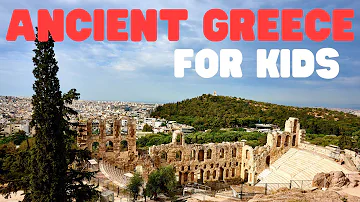
Ancient Greece for Kids Learn all Ancient Greek history with this fun overview
Learn Bright
1M مشاهدة · 6 years ago
23:02
How to Teach Ancient Greece Ancient Greece Lesson Plans
Mr and Mrs Social Studies
5.7K مشاهدة · 5 years ago
12:11
Rise Fall of Ancient Greece
History Simplified
313.4K مشاهدة · 5 years ago
5:32
Ancient Greece Social Classes Ancient World History Activities Lessons for Students Instructomania
Instructomania
80.3K مشاهدة · 7 years ago
20:39
Ancient Greek Civilization History Culture Legacy Explained
National History
1.6K مشاهدة · 3 months ago
5:58
THE ANCIENT GREEK CIVILIZATION AN INTRODUCTION Part 1
Insights International
5.6K مشاهدة · 5 years ago
8:09
Ancient Greece Learn the History and Facts about Ancient Greece for Kids
Learn Bright
618.1K مشاهدة · 4 years ago
4:56
Ask a Greek Teacher Can I Understand Ancient Greek if I Learn Modern Greek
Learn Greek with GreekPod101.com
104.9K مشاهدة · 6 years ago
21:06
Professor Answers Ancient Greece Questions From Twitter Tech Support WIRED
WIRED
4.8M مشاهدة · 1 year ago
7:03
Greek Civilization Eclass HISTORY concept series 9 10 th grade
SundaramEclass Free Learning Videos
196 مشاهدة · 5 years ago
2:53
How Did Geography Impact Ancient Greece History Crunch Investigates
History Crunch
11.4K مشاهدة · 2 years ago
32:12
Learning Ancient Greek for Beginners
The Great Courses
410.6K مشاهدة · 9 years ago
18:14
Ch 7 Lesson 1 The Rise of the Greek Civilization
Sarah Todrick-Stevenson
3.8K مشاهدة · 8 years ago
26:57
Introduction to Ancient Greek Colonies
History with Cy
397.7K مشاهدة · 5 years ago
11:07
CKLA Grade 2 Domain 3 Lesson 1 The Ancient Greeks
C.A.
8.9K مشاهدة · 1 year ago
3:29
THREE MINUTE HISTORY Greek Civilization Geography of the Greek World

 3:40
3:40
 8:55
8:55
 23:02
23:02
 12:11
12:11
 5:32
5:32
 20:39
20:39
 5:58
5:58
 8:09
8:09
 4:56
4:56
 21:06
21:06
 7:03
7:03
 2:53
2:53
 32:12
32:12
 18:14
18:14
 26:57
26:57
 11:07
11:07
 3:29
3:29
 19:47
19:47
 3:48
3:48


