so assuming that the next administration in the United States the next president and all leaders around the country say okay we're hundred percent in will do whatever it takes and you guys are in charge and you have everyone will follow your exact instructions and will do any solutions you propose to solve the environment the water the deforestation the biodiversity the ocean acidification the coral reefs the wildfires you know they'll do whatever it takes Richard op and Lander was here the other day and he said absolutely no matter what hundred percent give up eating animal products immediately because to raise them and to grow the feed for them is contributing so that was his idea and it seemed very it seemed very good it seemed excellent what are your suggestions you're now in charge of the planet you've full control and your job is to stop this climate change and all these other problems assuming we'll all go along with whatever you say and we'll fund it what should we do okay so start with that one then that's everybody so would actually start with something quite simple because actually think that sometimes and there's this wonderful book called nudge whereby you just nudge people so the first thing do as well dictator thank you Steve for my election is then make subsidized fossil fuels illegal so would strip out globally all fossil fuel subsidies now that comes to about according to the IMF that well-known left wing think-tank that it's about five trillion dollars per year is spent by different countries subsidizing their fossil fuels so if did that I've just stripped that out and the first thing that happen is fossil fuels then become much more expensive actually then renewables become more competitive and actually you're gonna buy your electricity from renewable sources than fossil fuels so that's the first very simple little tweak you can do that then starts to use the global capitalist system to actually dry things in the right direction now I'm that's my starting gambit who at who else is gonna help I'll jump in work again I'm sort of one-trick pony our only talk about water but you know couple of observations of where we of where governments and communities have tried to make change with respect to water couple of principles that think have proven to be very very important one is that the transition has to be humane that it can't be draconian that it can't be harmful that you can't have undue effect on certain sectors of society or on certain people's livelihoods somebody who is raising alfalfa to feed cattle is going to have to make transition if you go to you know to no meat diet so and that involves time the biggest important part about that humane transition is the time it takes people will do remarkable things if they're given enough time to do it when Nelson Mandela came into power and in South Africa you know he realized that he had to change the mindset around how terrible things were in the immediate present or even in the immediate future and so he started talking about future building he started talking about time horizons in which people could imagine change could take place and that they could be and they could accommodate the change and it was very very transformational and so think one part of it is is the transition another is that most humans don't react very well to being told what to do to regulatory impositions they respond much better to incentives so you have to figure out how to do can you incentivize people to take to behave differently to consume differently what kind of incentives might those be but think ultimately my answer would be that it's that it's little bit of blend of both the regulatory approach and the incentive approach and the most important regulatory approach in water is to put lid or cap on the volume of water that can be taken out of any water source out of any river out of any groundwater aquifer out of any lake we need to leave enough water in there flowing through those systems so that they protect the natural world they protect the ecological systems that we all depend upon is Mark and have asserted but there needs to be limit put on how much you can take out of there now the fascinating thing about that we've witnessed about places around the world where they have put cap on how much water can be removed from particular water source is that it becomes monstrously powerful driver for efficiency and conservation and so people learn how to adapt if they're you know if they if they're facing constraint if they know there's no more frontier out there if there's no more horizon no more abundance of water we are out of the age of surplus if they know that there's fixed limit to how much they're gonna be able to take they will find ways to adjust and so it becomes massive driver for the right kinds of behaviors and part of that incentive also is once you have put lid on how much can be taken there still may be plenty of water available for everybody but they have to be able to share it and they have to be incentivized to share it so in anyone's system of water use any community that's using particular opera particular there might be the opportunity to do many much much more at that available water if people could when they when they had felt like they had surplus they could somehow share it with with somebody and be compensated for that and so we get into some issues about water trading and water markets and systems of governance that allow for water to move among different sectors of water use different individuals using water and if we can become both the water conserving and water sharing Society think we can overcome lot of the problems that we're facing with water crises in the world those those seemed all to be excellent practical suggestions but there's another issue and so if you go for example as an example to the area of cancer President Nixon more than 40 years ago declared war against cancer the war has not been one that seems from the statistics that cancer is increasing not decreasing and you might ask well why is that think one of the reasons that we really don't understand the the real basis of cancer and how it occurs and why it occurs lot of things are known but and we know lot about genomics and and such but but there's no agreed-upon molecular mechanism for what's going on in cancer and you know possibly if we really understand it then we'll be able to do something about it that's that seriously effective so like the area of cancer they are of other areas of science in some cases we don't even know what we don't know and in the case of climate think it's the same had the pleasure one time was an adviser to the National Science Board which which governs and National Science Foundation and sat meeting with all these people and one one person met his his field was climate weather and such and asked him about the physics and understanding of what's going on this was about eight or nine years ago and he said well there's nobody studying it anymore he said people are are now resorting to climate models essentially all the questions which view of which mentioned before people are not addressing so we don't we don't understand climate really we don't understand why why in Seattle in the wintertime and in London and in the wintertime you can expect lot of gray gray clouds and moisture and in other periods of time it's it's dry and sunny except on some occasions so if we want to do something about climate the solutions suggested by my colleagues are - reasonable and and sound certainly interesting but if we could understand the nature of climate which we don't understand it might be possible that we could actually do something about it in way that nobody has ever expected and so so if if were the president running against our two candidates and would lose resoundingly if won would there would be one aspect that would be eager to fund would be fundamental basic understanding of what's climate all about think it's critically important to do that and and we don't know but it might be that if we really understood it we could come up with practical solutions in different completely different different realm of perhaps science and technology there are lot of things we don't know obviously and that we will never know but think that most people in this room would agree what lies at the root of our myriad predicaments we know what washes the soil into the ocean that at an accelerating rate we know what fouls the air and dirties the water we know that that the heat engine that its civilization is rooted in civilization we know - all these predicaments are rooted in industrial civilization vote for me I'll bring it down it's not popular outlook but civilization lies at the root of each of these predicaments including monetary disparity and democrazy semantics massagin ism the list goes on and on most of us would prefer civilization to no civilization and small wonder we all benefit greatly from the privileges rooted in this settle living arrangements but 150 to 200 species we drove to extinction today don't benefit from civilization speak on behalf of those who can't speak for themselves so guy can ask you because really do like your approach how do we move to post-industrial society mean so when work with lot of social scientists who look at how society is working and how it doesn't work and there is all this sort of discussion about post-modernism moving into the post-industrial society do you see any chance that we can move beyond this sort of civilization into as civilization that isn't reliant on this of the Industrial sort of basis do you think not civilization but societies are already uncivilized or pre civilized societies that we haven't made contact with yet so we haven't destroyed them the goal is to destroy them that's one goal of civilization is to destroy to incorporate to absorb every person on the planet but we haven't done that yet in the first 2.8 million years of the human experience the first essentially 198th 5000 years of our species Homo sapiens was spent in pre civilized or uncivilized societies there are models they don't involve seven point four billion people yeah and that's key point think guy is you know there is an issue as to what kind of changes are available to us given the population load that we've got now so you remind me of good friend of mine Kent Redford who when he was doing his doctoral research he was doing it in the Amazon he really wanted to go study you know some of these tribes that had had very little contact he really wanted to understand he was you know essentially forest ecologist well would say more of ecosystem ecologist he really wanted to understand how these people interacted with their ecosystems that made them sustainable and and he came away his so his doctrinal hypothesis of this sort of sustainable community interacting you know in way that was respectful of you know the availability resources and never over overusing the resources he his his findings were very contrary to that and that in fact he wrote paper that was very seminal paper the empty forest which was about the fact that basically the way that these societies were operating is that they would completely deplete the resources in one place and then but they had huge Amazonian forest to keep moving around in and so it was sort of like patch after patch after patch of consumption and alteration of the forest but they had enough room to move in so think yes there are true sustainable use models think there but don't know that you know all of the sort of Aboriginal indigenous societies necessarily behave in that way but the thing that fear is whether or not we can move to any sort of sustainable alternative post-industrial society given that we've got what 7.4 now billion people on the planet yeah and one of the predicaments of course is human population overshoot is two hundred seven thousand people on the planet today that weren't here yesterday no longer we keep civilization going the more people we get every day that's not gonna go anywhere good think this is why mean think very fortunately my career that I've worked with artists theatre producers musicians looking at different ways to actually communicate with the public because one of the things think that our scientists fail to do is we can really good at problems okay we can tell you problems until the cows come home okay we are really good at that what we don't have is the ability to envisage future that we can aim to move to so when ask guy what is post-industrial society look like it's not because I'm trying to put him on the spot at all would love to know what that looked like because want to know how can we have society of ten billion people by the middle of the century in sustainable way now again what we need to do is actually engage with the creatives in our society to actually provide vision because people have drive when they see vision of something of the future could look like they will happily work towards that you can see this with young people coming into university when they see that there's vision of what they want to actually achieve in life they'll actually work for it and think that's something that our scientists failed to do okay we fail to provide final vision of look the well can be much better place this is what it looks like and think what is really upsetting is that at the moment politicians all around the world seem to be stuck in this sort of like fear and threatening mode whereas politicians used to be able to say look if you give me the chance I'm gonna try and make the place better I'm going to try to match and think that's what we need to get back to why have we not got the leaders and actually the artists who are providing future vision that could be lot more positive
15:50
Can YOU Fix Climate Change
Kurzgesagt – In a Nutshell
14.1M مشاهدة · 4 years ago
13:25
Beyond the Science Environmental Problems Cultural Solutions Paul K Doss TEDxEvansville
TEDx Talks
96.2K مشاهدة · 8 years ago
12:43
What the news wont tell you about climate change Hannah Ritchie PhD
Big Think
883.8K مشاهدة · 1 year ago
4:30
Three Solutions That Can Slow or Stop Climate Change I NOVA I PBS
NOVA PBS Official
90.1K مشاهدة · 5 years ago
14:11
We WILL Fix Climate Change
Kurzgesagt – In a Nutshell
12M مشاهدة · 4 years ago
5:00
What Earth in 2050 could look like Shannon Odell
TED-Ed
1.4M مشاهدة · 2 years ago
12:17
Can AI Help Solve the Climate Crisis Sims Witherspoon TED
TED
107.5K مشاهدة · 2 years ago
9:03
Do we Need Nuclear Energy to Stop Climate Change
Kurzgesagt – In a Nutshell
9.7M مشاهدة · 5 years ago
9:58
Ilissa Ocko The fastest way to slow climate change now TED Countdown
TED
316.1K مشاهدة · 4 years ago
27:05
Are there any quick solutions for climate change The Climate Question podcast BBC World Service
BBC World Service
33.1K مشاهدة · 4 months ago
8:43
Climate Change We are the PROBLEM the SOLUTION Animated Infographic
Matt Miltonberger
1.5M مشاهدة · 9 years ago
10:36
Who Is Responsible For Climate Change – Who Needs To Fix It
Kurzgesagt – In a Nutshell
11.4M مشاهدة · 5 years ago
19:52
How much progress have we made on climate change
Simon Clark
2.9M مشاهدة · 1 year ago
1:42
The Best Solution For Climate Change
KOIN 6
782 مشاهدة · 3 years ago
9:09
The Best Way to Lower Earths Temperature Fast Daniel Zavala Araiza TED
TED
232.8K مشاهدة · 1 year ago
18:06
Our Best Shot to Solve Climate Change Rachel Parent TEDxStMaryCSSchool
TEDx Talks
3.3K مشاهدة · 6 years ago
3:49
The Solution To Climate Change Is All Around Us
The YEARS Project
77.4K مشاهدة · 6 years ago
9:46
How I Think About Climate Change
StarTalk
2.3M مشاهدة · 1 year ago
3:05
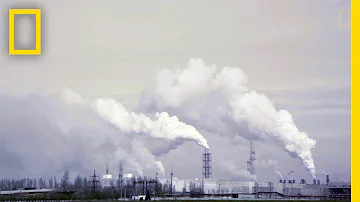
Causes and Effects of Climate Change National Geographic

 15:50
15:50
 13:25
13:25
 12:43
12:43
 4:30
4:30
 14:11
14:11
 5:00
5:00
 12:17
12:17
 9:03
9:03
 9:58
9:58
 27:05
27:05
 8:43
8:43
 10:36
10:36
 19:52
19:52
 1:42
1:42
 9:09
9:09
 18:06
18:06
 3:49
3:49
 9:46
9:46
 3:05
3:05


