let's begin by talking about poetry from broad perspective what is the nature of the art what were its origins in human history what roles has it played in the development of civilization poetry is the most ancient human art it extends back in time before recorded history before writing it was one of the ways in which and by which homo sapiens became human the receptors for poetry are hard wired in our brains and those receptors feed our imagination emotions memory and physical senses poetry is an art that uses every means by which language communicates to create particular meaning and effect that is why civilizations have always used poetry and education by studying poetry you learn how to recognize understand and use the full range and power of language poetry also reminds us that the physical sound and rhythm of words are parts of their meaning in other words the form statement takes becomes part of its meaning in fact the forms of language are never neutral that is one of the most important things you need to know about poetry and indeed all literature the best way to approach poetry is to lean back relax and listen clear your mind of all the clutter of the 21st century open your imagination and poetry will do the rest now let's ask very basic question what is poetry what exactly is this art that we are talking about will give you definition in few minutes but the best way to understand that definition indeed the best way to comprehend the art of poetry itself is by considering its ancient origins and its odd properties want to make 10 observations from history from anthropology and from literature about the art of poetry the first is that poetry is universal art universal form of human expression poetry is found in every language and every culture there is no race or tribe of people without poetry secondly poetry is the most ancient human art form it still survives in the modern world it dates back into pre-history when humanity made art with no other tools than the human body thirdly poetry is originally an oral art poetry predates writing it organizes human speech into musical patterns that heightened its meaning and memorability it would be useful to think of poetry as memory technology that humans developed before they had invented writing as robert frost said poetry is way of remembering what it would impoverish us to forget fourth poetry is performative art in ancient cultures in pre-literate tribal cultures poetry combines with singing and dancing to create performative art musical performance that creates the same forms of enchantment that we associate with modern music fifth poetry is mnemonic art since it existed before writing poetry had to be memorable in order to survive most poetic technique especially meter and rhyme are aids to memory if culture does not have writing how does it remember those things that are so important that it dare not forget the answer was poetry you can often remember the sense of prose passage but not the exact wording but when we remember poetry we tend to remember the exact words six poetry is an evocative art poetry seeks to enchant the listener to heighten the listener's attention to relax his or her emotional defenses and unlock the memory and the imagination poetry is in fact kind of mild form of hypnosis which has us enlarge our attention and strengthen our memory seven poetry is formal and metrical art all ancient poetry was formal almost always using recurrent patterns of sound which is to say meter to announce its special status as art think of the situation in an oral culture which has constant speech poem needed in sense to cut through the speech by announcing its special status as kind of artistic speech kind of heightened speech now the specific nature of those techniques differs by language and by culture but poetry always uses features that native speakers can hear without difficulty in germanic languages like english poetry uses speech stress in romance languages like french or italian it uses syllable count in chinese it tends to use syllable count and tone pattern in ancient greek and latin it used the duration of syllables long or short why did traditional poetry use meter at least three reasons first to announce that it isn't ordinary speech this was kind of talking that required special status secondly it provided musical pleasure poetry makes people want to listen it provides kind of entertainment it wraps the senses up in pleasure and thirdly it creates gentle hypnotic state that heightens attention and retention and focuses the listeners senses to increase memorability some of you are probably asking well what about free verse free verse also has to announce its status as being different from prose if you open up book of poems and book of fiction you'll see that the visual placement of the free verse tells us that it is poem kind of language which requires special attention eight poetry is sacred art it is impossible to talk about the origins of poetry without discussing religion poetry probably first emerged as sacred ritual words sung or chanted and danced in honor of the divine poetry was special language that allowed human beings to transcend their everyday state into heightened consciousness that brought them closer to the gods the power to address their god or gods to commemorate and relive the stories of their gods the poet was priest or priestess the priestess or priest was poet shaman prophet magus most of the sacred literature of the ancient world is written in verse it had to be composed in verse before the development of writing because there was no other way to remember it but even after writing developed the habit or better yet the practice of poetry continued poetry gave the words more power and memorability in the hebrew bible the prophetic books isaiah ezekiel are in verse psalms the book of wisdom the book of job in hindu the upanishads and the vedas are classics of hindu poetry and even the muslim sacred book the quran which means recitation is kind of rhymed free verse or prose sense of the sacred is central to poetry's identity even once culture has been secularized poets like walt whitman or ezra pound try to write new sacred books or christian poets such as william blake william wordsworth or john milton try to tell new sacred stories poets still want their work to contain vision and prophecy the last few lines of samuel taylor coleridge's kubrickon end with vision of sacred poet and all should cry beware beware his flashing eyes his floating hair weave circle round him thrice and close your eyes with holy dread for he on honeydew hath fed and drunk the milk of paradise nine poetry is magical art poetry originates in religious ritual prayers chants songs hymns invocations magic spells poetry was powerful language that would unleash strong effects we still associate poetry with magic spells think of the charms that kids recite rain rain go away come again some other day or cross my heart and hope to die cut my throat if tell lie starlight star bright first star see tonight wish may wish might have the wish wish tonight we see the magical elements in the mythology around poetry who in the greek in and roman tradition is the first poet orpheus his songs could change the nature of reality his songs stopped people from living alone in the woods like wild animals his songs called them to join together into communities and build the first cities in this myth poetry civilizes humanity it makes individuals understand common things and it uses pleasure to instruct poetry was originally considered sacred or magical the latin word carmen means songs poems magic spells and prophecy all four of those things are united in the nature of poetry this word comes into english via the french word charm into our word charm and think of lucky charms charm bracelets charms in verse rain rain go away now why am bringing magic into discussion of poetry do believe that reciting that charm will change the weather no but pay attention to poetry's legacy of magic because it reveals something essential about the nature of poetry and perhaps all art poetry is not merely communication it is not merely means of remembering it is not merely means of instructing it is not even merely what post modernist theorists call pleasure technology though it encompasses all of those goals poetry is kind of enchantment that desires overtly or covertly to transform the world and this magical desire is encoded in the very nature of the art now some of you are reasonably skeptical of this claim because we've been taught that magic isn't real and that poetry is kind of airy nothingness but what is love poem isn't it spell to convince the beloved to reciprocate the speaker's passion or at the very least to feel sorry for the speaker's painful devotion what is an elegy if not verbal spell trying to summon up the spirit of departed person to make us admire and remember them to miss the presence of that departed soul likewise satire is kind of spell that tries to cut some person down to size even the lyric poem usually tries to explain what it is like to exist in particular moment not simply in intellectual terms but to fill you with the sensations and emotions that particular person has in specific moment in individual life real poetry is in some way large or small magical or to put it into contemporary terms transformative that's why if you study poetry seriously the experience will transform you it changes different people in different ways but in each case it enlarges and transforms the individual by changing their notion of themselves and their own existence and that sort of practical magic leads me to our tenth and final observation about poetry poetry civilizes as the legend of orpheus reminds us poetry and song civilize anarchistic humanity into coherent societies with shared experiences and shared awarenesses the great civilizations of the world have been based to an extraordinary degree on poems china built its traditional civilization on the confucian anthology greece built itself on homer hesiod aeschylus sophocles and euripides islam on the poetry of the quran israel on the psalms and wisdom books on the prophets of the old testament hindu india on the upanishads and vedic literature persian civilization is based on the book of kings by ferdozi tribe does not mature into nation without poetic epics sometimes the epic is created explicitly for the purpose or reconstructed from earlier fragments the aeneid by virgil paradise lost by john milton the cavavara of the finnish people which gave them national identity which had been suppressed by imperial rule the song of hiawatha was longfellow's attempt to bring native american legends into the anglo-saxon mainstream of his time no people can know where to go into the future without knowing where they came from in the past so having spent some time now considering poetry's original place function and form in ancient and tribal cultures what is poetry what is definition of the art my definition is that poetry is special way of speaking that invites and rewards special way of hearing and by extension poetry has also become special way of writing that invites and rewards special way of reading we hear poems differently from ordinary speech we read poems differently from ordinary prose poetry is the most concise expressive moving and memorable way of articulating what it means to be human now notice that my definition presents three aspects of the art the speaker or writer the listener or reader and the poem the text the performance poetry is not simply thing it is an experience it is relationship this is what emily dickinson was describing when she said if feel physically as if the top of my head were taken off know that is poetry there is no special subject for poetry poetry is not subject matter it is language poetry is special language that exists inside normal daily spoken language if you can summon this language with expressive moving and memorable patterns you can say anything like music poetry has power to open up responses inside us imaginative emotional spiritual intellectual that are hard to reach otherwise the experience of poetry has the power to awaken enlarge and refine our humanity in all its complexity and that is what we you and me together will try to make happen in these lectures all these ideas describe poetry but none of these attributes in themselves completely define the art let's listen to how some poets have described poetry dante alighieri said that poetry was things that are true expressed in words that are beautiful he's talking about instruction and pleasure truth and beauty samuel taylor coleridge had much more perfunctory definition the best words in the best order thomas hardy talked about its musical and emotional power he said poetry was emotion put into measure w.h auden described poetry's ability to present the ambiguity of human experience he said it was clear expression of mixed feelings octavio paz described poetry as something beyond pure meaning the poem is song song is neither discourse nor explanation elizabeth bishop simply talked about the sheer wonder of the poetic experience poem was hundreds of things coming together at the right moment gwendolyn brooks connected poetry to the real world poet she said is one who distills experience jose garcia-villa created little poem to describe poetry poetry was an angel with gun in its hand and finally we'll repeat emily dickinson's famous description of the experience of poetry if feel physically as if the top of my head were taken off know that is poetry poetry is special way of speaking that invites and rewards special way of hearing what is the purpose of poetry if we look across the history of literature the same answers come up for the purpose of poetry again and again to provide pleasure wisdom consolation and remembrance which is to say that poetry exists to delight instruct console and commemorate poetry awakens us to become alert to our own existence it explores the paradox of being alive knowing that this world and this life is our true home and yet not feeling entirely at one with the world so the purpose of poetry is to change in small but meaningful ways our lives you
31:30
What is Poetic Voice Dana Gioia
Dana Gioia
34.2K مشاهدة · 4 years ago
29:47
What is Poetic Imagery Dana Gioia
Dana Gioia
40.5K مشاهدة · 5 years ago
1:28:19
Poetry Reading Conversation with Dana Gioia
USC Dornsife College of Letters, Arts and Sciences
2K مشاهدة · 14 years ago
3:10:58
The Deepest Conversation Youll Ever Hear About Writing Dana Gioia
David Perell
319.2K مشاهدة · 1 year ago
1:04:46
Poetry as Enchantment
Library of Congress
34.1K مشاهدة · 11 years ago
1:18:47
Meet the Poet Dana Gioia
GBH Forum Network
1.4K مشاهدة · 12 years ago
53:29
Dana Gioia on Becoming a Poet Teaching Poetry and the Future of the Arts Studio 53 Interview
Intercollegiate Studies Institute
2.2K مشاهدة · 1 year ago
32:15
How to Analyze a Poem a close reading of W B Yeats poem Lake Isle of Innisfree
Dana Gioia
221.6K مشاهدة · 5 years ago
5:20
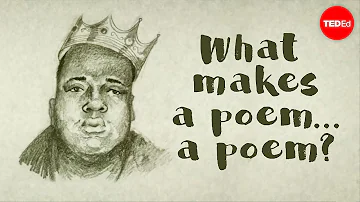
What makes a poem a poem Melissa Kovacs
TED-Ed
4.5M مشاهدة · 9 years ago
1:15
Dana Gioia recites poem Pity the Beautiful
Dana Gioia
5.8K مشاهدة · 7 years ago
33:55
Culture Care and Poetry Dana Gioia Poetry Reading and Q A
Fuller Seminary
1.1K مشاهدة · 9 years ago
1:49
Dana Gioia recites poem Majority
Dana Gioia
3.8K مشاهدة · 8 years ago
1:03:02
poetryEast with Dana Gioia Can Poetry Matter
London Buddhist Centre
965 مشاهدة · 5 years ago
1:23:41
Poetry as Human Energy with Dana Gioia Former California State Poet Laureate
Great Hearts Institute
1.7K مشاهدة · Streamed 3 years ago
16:07
A Sense of Place Dana Gioia at TEDxSonomaCounty
TEDx Talks
30.2K مشاهدة · 14 years ago
1:27
Dana Gioia The Stars Now Rearrange Themselves poem video

 31:30
31:30
 29:47
29:47
 1:28:19
 3:10:58
 1:04:46
 1:18:47
 53:29
53:29
 32:15
32:15
 5:20
5:20
 1:15
1:15
 33:55
33:55
 1:49
1:49
 1:03:02
 1:23:41
 16:07
16:07
 1:27
1:27


