good day Learners welcome to technical Sciences lesson my name is this lesson is brought to you by siono Discovery Center in collaboration with hang Department of Education so welcome to the second lesson on waves and sound today we are putting our main focus on problem solving so you're going to be solving lot of problems together okay so let's get started our main focus is going to be recapping mainly on the work that we did from the previous lesson which covered mostly PS and the types of PS that they are which covered also the waves and the types of waves that they were but today we are going to be grinding and equipping each other with how to answer correctly the multiple choice questions pertaining the waves and sound also we're going to be interpreting analyzing the long questions so that we are able to get our questions correctly okay we're going to be equipping each other with all the skills that there is so that we are able to choose the formula correctly we do our substitution and then we are able to get our answer correctly with correct unit that there is okay so now let's get started now since today is our second lesson on wbes and sound we're going to be looking back on our first lesson on the things that we spoke about regarding the waves and sound now remember we had discussed what pulse is we said that pulse is single disturbance that moves through medium by medium what do we mean medium therefore being substance or material through which the PS move we said remember that medium carries the PS from one place to another okay by that we mean that the medium does not create pulse it is just able to just move the pulse from one place to another okay so examples of these medium can be it can be water or it can be any solid substance okay any solid substance could be your liquid such as water it can be so it can medium can exist in different forms or of of the of the phases that we have okay so we discuss that also we've got two types of pulses we've got transverse pulse or also have longitudinal pulse you may ask yourself then how do these two differ or how are they similar if they are similar to each other we said that transverse pulse is pulse in which the particles of medium vibrate at right angle to the propagation of the wave okay creating that 90° angle the particles of medium are vibrating perpendicular to the propagation of the what of the of the PS okay and then we spoke about the longitudinal PS longitudinal PA is the in which the particles of medium are vibrating parallel to the direction of the PS right we also looked at now wave we asked ourselves how is wave different from PSE we said wave now is no longer just single disturbance but it is periodic continuous disturbance that consist of train of successive pulses okay okay so similar to the pulse we have two types of waves that there are we've got the transverse wave we also have longitudinal wave okay just that now it's no longer single disturbance in the medium but rather periodic continuous disturbance that consists of train or rather succession of what of pulses okay but now therefore that means that for the transverse wave it is still wave now okay not rather one single disturbance but this train of continuous disturbance which we refer to as wave it is wave in which the particles of the medium they are vibrating at the right angle to the propagation of the wave okay so there's nice diagrammatic representation of transverse wave showing us that it is having the particles of medium vibrating at right angle to the direction of the propagation of the wave so as you can see in the diagram provided you have your particles of your wave moving up and down up and down showing us that the particles of the medium are vibrating at right angle to the direction of the of the wave and then you find that your direction of the wave is moving in that direction which is an easterly Direction and your particles of the medium are moving up and down right in in saying so this movement of the particles of the medium then it creates certain features that are very important to take note of for example we have crust we have truff we have an amplitude we also have wavelength okay so in our diagram that is provided it is visible enough we said the Cur is moving from the equilibrium position into the alha or rather the maximum point of the what of the wave and then your trough still move from the equilibrium position but it is moving downwards okay so that displacement that is going up or rather down therefore we call it what an amplitude that is why we refer to it as the maximum displacement from way from the rest position okay remember when we are referring to the rest position and some books can call it equilibrium we're still talking about the resting phase we still talking about the same thing so you'll find that your wave will be moving up coming back to the equilibrium position which is rather your rest position go down creating trough go back to what your equilibrium position so that is what we mean by the term Crest as well as what trough as well as amplitude Okay and then we have wavelength now wavelength is distance between the two successive points that are in phase and by that our wavelength we can measure it using the crest that are in phase phase or we can use it by measuring our trough that are in Phase okay and that ladies and gentlemen is what we call what transverse wave okay there are other features that we need to explore that we did explore the last time but we are going to remind each other all the way so longitudinal wave yes we need to remember its definition as well just like in the longitudinal but now the difference is we are no longer talking about just one single disturbance in the medium but we are referring to continuous periodic disturbances that are succession with to each other okay longitudinal wave we refer to as wave where the particles of the medium are vibrating at what at parallel to the propagation of the of the wave right so here's nice diagrammatic representation remember we spoke about the movement now of the wave here so here is the direction of motion of the wave here is the direction of motion of the particles of the spring which is serving as what which is serving as medium right so we've got the parties or the parts of these longitudinal wave that are closely packed but the particles are closer together together and we have parts of this medium where the particles are far apart remember we said that when the particles of medium in longitudinal wave they are close to each other we refer to that as what is compression so you have your compression over here you have your compression over here and there's another compression over here but however whereby now the particles of medium such as this one of the spring is that they are far apart from each other we refer to them as what as function okay so we represent the longitudinal wave by using the vertical lines that are closer to each other or further apart as demonstrated now remember we spoke about the amplitude and we said it is the maximum is the maximum displacement of the particle from equilibrium position let's just go back little bit remember this diagram here is our amplitude over here it is the maximum displacement from where the equilibrium position there's another amplitude there in in the what in the trough all right also we spoke about the wavelength which is the distance between two successive points that are in Phase you ask yourself so how do see that the points are in Phase or the points are out of phase when the points are in phase two points are in Phase when they having the same state of what of vibration and therefore the points are out of phase when they are not in the same state of vibration we let you know more about that one so take look we have this point over here and then we have point down there this one we said it is what it is Crest and this one we said it is what it is trough so point on top of Cris and the point on top of trough they in different states of the what of vibration however if the point is in the crust one crust and then the other one is in the succession of crust and therefore those points are considered to be in the same state of what of vibration okay not only did we talk about that we also spoke about the SI unit the importance of the SI unit remember we remind each other that the SI unit for the wavelength since we're talking about the distance therefore it has to be in what in meters okay so this is nice diagram to show you the wavelength remember it is the distance between two successive points in Phase so here's my two points which are in succession with each other and they are in Phase or consider to be in Phase why because they're in the same state of what of vibration right so this is our wavelength and there is our wavelength over there okay so we done we did lot on our first lesson and this is just us reminding each other so that when we get into problem solving it is very very easy okay and we also spoke about frequency frequency is the number of waves that pass through certain point per second okay how many waves did pass certain point in second so how did we measure that we said we use hats to measure frequency calculating frequency we say frequency being the subject of the formula is equal to 1 over period okay there's another question can feel you asking period what is it period is Time taken to complete one full wave remember your wave has to have or to be complete to to have one complete wave it must have Crest it must have trap then that is considered to be what one full wave another circle of wave that must have Crest it must have what Trav it's second wave third wave Crest trough and so on okay how do we then measure the period we measure period using SI unit seconds okay we use the formula which is our capital letter standing in for period is equals to 1 over okay and then we got we spoke about wave speed okay which is the distance traveled by wave in 1 second okay how do we then calculate wave speed we said is equal to distance travel divide by the time taken or we can say is equals to Lambda Lambda is sign that we use to signifies the wavelength okay remember wavelength we said we measure it in what in meters okay over capital letter is your period which is measured in what in seconds okay or you can use is equal to frequency time Lambda okay very important the SI unit for wave speed is me/ second so that clearly indicates that your distance has to be in meters and then your period if you're using the second equation needs to be in what in seconds okay so that what we fully mean right so today we're going to be playing along with all those formulas now we're putting them into practice we're analyzing the questions that we given we want to understand better so that we do better right so today's objection looks something like this so we want to be able to analyze we want to be able to interpret and you also want to be able to understand the question for the wave and sound correctly so by the end of today's lesson we want to be able to analyze interpret and understand questions better so that we write the correct answers okay so the second objection for today we want to be able to choose to be able to choose the correct formula for the wave and sound to find the unknown variable okay so given certain variables are you able to choose the correct formula and also Subs correctly mathematically correct and get your answer correctly okay so today we're going to be taking each other step by step on problem solving like that the last one we're going to want to be able rather to solve problems on wave and sound and give an answer with the correct unit okay so without wasting any time let's get started so like any other question paper you will see or you will come across we always want to start with the multiple choice question so you don't just choose any option like we discussed the last time in your four possible answers there are two destructors that are just totally out and then you've got that is similar possible under that is similar to the answer and then you've got an answer so what we're striving for we want to be able now to be able to choose the correct answer like that okay but now in this type of instant on this type of questions we should be able to do calculations on the side and then being able to then identify our answer once you are able to do problem solving then choosing an answer or correct answer rather is therefore very very easy okay so the first multiple choice question that we have remember answering multiple choice questions is skill that needs to be learned okay so the period of vibration of source of wave in 25 seconds what is its frequency in heads the period of vibration of source of waves in 25 seconds what is its frequency in heads so we want to find the frequency in heads and we are given the period and then you ask yourself what is the formula that should use so that I'm able to find the frequency okay so this should be your best friend your calculator okay so I'm going to open mine and you are going to do so with yours over there is we practice together so we realize okay we finding frequency that is our unknown variable in this case so what do have do have period and it is way it it is what is in 25 seconds so can say which is my period rather because want what is the frequency then I'm going to say frequency is equals to 1 over period therefore 1 over how many what is the period that I'm given I'm given 25 seconds so it's going to be one / 25 let me just quickly do that and it's giving me 0a 04 so this is0 comma 04 and then it's heads why because this is my frequency all right then you go back to the options that we have we're like okay so which one or my answer is it in on is it on is it on or is it on like on have 0 04 on have 0 4 on I've got 2 comma 5 and then on I've got 2 five comma 0 0 so it's obvious choice so your correct answer is what is okay so that's how simple it is do your correct properly and then you'll be able to spot your answer correctly okay now let's move right along we have the second question multiple choice question number 1.2 it says repo tank with vibration heating the surface of water it's frequency of wide of 50 HZ produces five complete waves okay over distance of what 10 cm so you've got five complete waves you've got over distance of 10 cm for all those five waves and then you've got frequency of what of 50 HZ okay what do they want from us what is the velocity of the water water waves that are produced okay remember how do we then find the velocity remember it is the speed of the way so we said is equal to frequency times Lambda that means need to be able to have my frequency which already have which is my 50 heads and need to have my what my wavelength which don't have okay now we have to find this wavelength but the first thing that we need to do remember this distance 10 cm is the length or is the distance that is covering for all the five complete waves so we need to find wavelength which is the distance between the two successive points that are in Phase not for all of them so how do we then do that things up we need to do conversion of this okay because we know that Lambda needs to be in meters and not in cm okay so how do we then do we say okay we need to divide by what by 100 to be able to move from centimeter back to what back to meters some of you might have forgotten so this is how we do it we say it's kilometer we say meter we're moving to CM we moving to millimeter okay right that is is when we are moving from the big SI unit to the smaller unit so here we Times by 8,000 we Times by 100 we Times by 10 however if we're moving back now from smaller unit to bigger unit we divide right so this is mill let me just use my smaller pen right we have CM we've got meter and we've got kilometer still same fraction but however now we are dividing divide by 1,000 divide by 100 divide by 10 all right so why did we say we are dividing by 100 because now we are moving from cm and we're moving to where to meter so the Direction first it is moving in that direction that means we are dividing by what factor by what by 100 all right so we say then what is cm / 100 okay we're getting 0a 1 meter now we've moved from CM units to what 2 okay great but now this 0a 1 cm is covering for how many waves it's covering for five complete waves so now we need to say Lambda is equals to the distance traveled right divided by the number of complete waves okay can you see the amount of work that is done so now the distance traveled we already have it it is what 0a 1 because now it is in meters and then the number of that are covering up for that 0a 1 is how many it is five so what is then 0a 1 / 5 is giving us 0 comma 0 two so there's only one zero after the comma and that is ladies and gentlemen your wavelength right then you go back to your formula that you are using so now you already have everything you now have your frequency which was given now you have your Lambda which is your wavelength which youve just calculated over here why didn't we use this 0 comma 1 because in this 0 comma 1 it's covering for all the five remember wavelength is just the distance between the two successive points that are in Phase right so we have 50 multi by 0 comma 0 2 so what is therefore 50 * 0 comma 02 it is giving us one and this is in met per second right nicely done then we go back to our options that we have we're like okay option is saying 0a 1 didn't get 0 comma 1 okay so we look on the side and then we we look at the second one which is 10 m/ second no 1 comma yes 100 m/ second no your correct answer is option right let's move right along on our question 13 now 1.3 is saying what is the term used used for the time taken by wave to complete one full vibration the time taken to complete one full wave this one wants us to know the definition that means we need to know what is the definition for an amplitude we need to know what is the definition of wavelength frequency and the period starting from the top amplitude is the maximum displacement of wave from where from the equilibrium position so it does not match what have or the description that is given to me the second one wavelength it is the distance between two successive points that are in Phase it can be your Cris it can be your trough as long as those points are in Phase being in Phase means that you are in the same state of what of vibration okay so it's not the one because the description provided to me is not say that frequency the number of waves passing through certain point in one second no but now time taken to complete one full vibration yes it is period multiple question number 1.4 the number of sound vibrations per second we just mentioned this one remember now they just gave you the same well it's different description but they gave you the same options now if you were able to Define all of them the first time therefore now it is easy the number of sound vibration per second it is what it is frequency where is my frequency it is option multiple choice question 1 comma five it is saying longitudinal is these terminologies all of them we should know them before we are able to put them into practicality so that we are able to spot the correct description provided to us all right and I'm going to show you how longitudinal PA you are looking specifically remember what we spoke about we said pulse is single disturbance in medium we did not stop there we said that the pulse is moving has to move in medium okay however the medium does not create the pulse however what it does is that it moves it from one position to another position it does not create the PS we said there are two types of the pulse then we have transverse pulse and then we have longitudinal in this instance in this specific portion they are specifically asking us about the what the longitudinal pulse okay longitudinal pulse before we even look at the options provided to us we should know that it is pulse in which the particles of medium are vibrating parallel to the propagation of the of the wave right and then now you are looking for the description that matches what we just described okay option is saying sorry longitudinal pulse is single disturbance in the medium no because that is just pulse it is single disturbance in the medium but specifically longitudinal all right let's look at the other options pulse in which the particles of the medium vibrate parallel to the direction of the propagation of the PS yes yes this is what we we've been looking for however let's look at the other options as well PSE in which the particles of medium vibrate at the right angle to the direction of the propagation of PSE no because that one is description for transvers PSE not longitudinal PSE which is in question the last one it says the maximum displacement of particle from its rest position no because you and Now understand that description fits that of what of an amplitude Okay so our correct answer is okay so that's how we must answering our McQ question so the McQ appropriation for multiple choice question okay let's now take look at at the long portion let's how analyze stuff okay Lear activity number one which we're going to do together you and step by step okay it says water waves can be made by vibrating wooden bar up and down in tray of water right the bar moves up and down it's frequency of what of five HZ okay all right I'm choosing to underline that now here's they showing us nice diagrammatic representation vibration of the bar moving up and down up and down creating what these pares okay so it says now there's distance that covers all of what of the vibrations all right so this is 48 CM there's problem there why is there problem because now need my Lambda need my distance to be one to be in meters okay now from the previous slide we did discuss that to move from ctime to meters we need to divide by what by 100 so instantly when saw these incorrect units fixed them I'm like no it has to be 48 / by 100 which is giving me what 048 so this has to be 0a 48 right then we proceed okay how many complete waves are there in 48 CM okay complete remember what we referred to as complete we said if it is complete wave it has to have crest has to have tra has to have Crest has to have tra now let's just put just equilibrium position over there so that you are able to see that there's Crest and there's trap and that let me loose use different pen so that you see it nicely okay let's work it out together we are working out the number of waves of complete waves that are covered from this 48 CM right let me just leave this piece this part of the Cur that is incomplete because it's it is an incomplete CR let me focus on the complete one first okay so I'm going to start from underneath in my Trav so I'm going to say one okay I'm going to put dotted line two three five okay but there's still remaining pce of trough so in fact there is trough that is just there however it's incomplete all right and then we say let's put the the numbers here we've had said this is one this is our two this is our three this is our four and this is what our five however now there is tra there so if we say there's tra combine this remaining Crest with this one I'm just going to move it nicely over here so that it doesn't make any disruption it actually forms full Crest so we've got one piece of the crest and the other piece of the crest making complete Crest therefore we have trough and we also have another piece of the crest that is making complete wave so this forms then what complete wave number six how many complet waves are there in 48 CM there are six waves let me try and find nice Blank Space where we can write so this is our number one six complete waves right let's tackle number two together but now what does number two say all right sorry about that let's just go back little bit are the water waves longitudinal or transverse the diagram is then is given to you you can see the particles of the of the medium moving at right angle to the propagation of the wave okay and I'm sure you can tell this is the transverse wave but they ask you why therefore you explain that the particles of the medium in this case our medium is water are moving at the right angle to the per appc ation of the of the wave okay find some space to write so this is our transverse wave because they had said is this longitudinal or is it transverse wave so this is transverse wave and why are we saying so because the particles of medium are vibrating at why am writing with red now at right angle to the propagation of the wave right that is just complete right calculate the period of the Waves all right of all those waves calculate their period right for us to calculate the period we need to know the frequency and we are told about the frequency that is what that is five heads so that is not problem because you and had learned that to calculate the period we need to say period is equals to 1 over frequency therefore this is going to be 1 over 5 HZ because we are given the frequency as as as 5 HZ then we say one / 5 is giving us what 0a 2 this is going 0a 2 seconds because we were calculating period right going back little bit it says calculate the speed now of the water waves calculate the speed let me draw your attention to one thing quickly okay remember this 48 CM that we given we converted it to me right and then rightfully so however this 048 is covering six waves so we need wavelength of just the distance between the two successive on so what do we do we say wavelength is equals to distance traveled right just to indicate to you that we are on that one distance traveled divided by the and the number of waves in that distance okay number of complete waves all right so complete waves great so the distance is what we put the one that we've converted because it's incorrect units in in the very correct unit 0a 48 divided by how many complete waves are there we said there are six this there ladies and gentlemen it's going to give us our wavelength okay so 048 ided by 6 therefore gives us 0a 08 so this is our wave but now we're just fixing so that when we substitute we substitute the correct answer okay let's go back to our page now we can say for number four we can say is equals to frequency over why am saying frequency over why aren't you correcting me over there so it's for is equal to frequency time Lambda which is therefore what our frequency we were given as what as five heads five multi by and then our wavelength I'm just going to go back little bit here's our wavelength over here so it's multip by 0 08 we punched 5 * 0 08 is therefore giving us what 0a per second right you can run WR your answer without unit all the time your unit needs to be present okay that how we should have answered our learner activity number one and I'm sure you got it right together with myself okay so let's look at Lear activity number two now it says transverse wave of frequency of 250 HZ travels at speed of what ,500 m/ second all right more definition here Define transverse wave let's not waste any time and just get on with it transverse wave what did we say we said transverse wave is wave in which the particles of medium vibrate at okay right angle to the propagation of the wave keywords they have to be the particles of medium okay in right angle or perpendicular to the propagation of what of the wave right so two marks it's very important to write your definitions in full let's look at the second question Define the term frequency what is frequency now frequency is the number it is the number of ways passing through certain point in one second that how it is done third question calculate the period of these waves period you ask yourself how do calculate period period has to be that is equal to 1 over frequency right and we are given frequency here is our frequency which is 250 hits now let's do our calculations number three three has to be is equal to which is yourit letter standing in for what period 1 over frequency and that has to be 1 over 250 and there is 1 / 250 ladies and gentlemen it is giving us 0 comma 04 it's period so it has to be seconds right that is how simple it is don't forget your formula substitution answer with unit all right just go back little bit to see the next question number four define wavelength define wavelength okay wavelength okay let's not write the the wavelength it is the distance is the distance between two successive points in Phase right so that is how simple it is to define wave right let's just go back little bit calculate the wavelength we're on question number five now calculate the wavelength of the Waves right how can calculate the the the the wavelength of these waves okay just going to try and find clear space or maybe let's just no we don't so I'm going to write our number five over here this is our number five right so we say we do have let's look at much we have let's look at the data that we have right let's just go back little bit we do have frequency we do have the speed here's our speed speed of what of 1,500 m/ second all right so we can do we can find in formula that fits or that can help us to find what we want so we can say which is the speed is equals to frequency multi by Lambda all right and by that okay we do have just circle this so that you know it's number five we do have 1,500 which is equals to we do have frequency which is what 250 but we don't have Lambda right so we're going to try and find our unknown how we have to divide by 250 on both sides this 250 cancels that 250 and then now you have Lambda on the side put to your calculator 1,500 / 250 it is 6 so never leave your number on your left hand side so you say therefore Lambda which is our wavelength is therefore equals to what 6 okay so you look at what you are given you look at what you can find you look at suitable formula that you can use then you substitute answer with unit okay activity number three right this one love it so much let's attempt it together now what are they say it's important to read the statement that is given to you analyze the diagram that is given to you properly okay so number one is saying wave traveling in the positive Direction it's moving in that horizontal Direction has frequency of 25 heads the wave is shown in the figure below right and then we look at this diagram okay we have can't say it is wavelength but we have certain distance that is 10 cm also we are indicated by point there's nothing on our AIS on our xaxis there just which is showing the what the movement or because they said the wave is moving or traveling in the positive Direction okay at 25 head of frequency right and then we have distance from the bottom covering the TR right shooting straight cutting through the equilibrium going straight to the crest okay which is 18 cm all right calculate the amplitude the amplitude what is the amplitude Okay remember the amplitude is the maximum dis placement from the equilibrium to the to the the maximum displacement from where your rest position or your equilibrium so it has to move from this part going up there not from here all right so we can divide that 18 cm into into two because now that means it's covering from the top right to the bottom however we want from the equilibrium right to the maximum position so 18 / 2 is giving us 9 okay so our amplitude in this case is what it is sorry 9 cm convert that to what to met we say divide by 100 therefore it's going to be 0a 09 okay now let's find 9 nice page to write our answers in so we looking at number 1.1 and we are calculating amplitude Okay we said we do have what let's start by converting we have 18 cm we divided it by what by two because we understand what is amplitude it has to move from the what the equilibrium position maximum displacement right so we got what it is 9 cm however it is CM so we need to change it to what to met how do we do that by dividing by 100 okay so that it is what it is 0 comma isn't that beautiful think it is really think it is okay let's look at the second question 1.2 we need to calculate the wavelength okay remember wavelength has to be between two distance between the two successive points that are in Phase okay let's have look at this diagram given to us we are only it's not even as successive points that are in Phase all right so we have have this point but there's no other point in here now I'm not going to take the bottom one okay I'm just going to take the top one because seem to have two Crest so do have this point in here which is my Crest and do have another one in there okay so that will be my what my wavelength however this distance is here is in half of the distance that am shown for my for my wavelength what does that mean it means moving from here to here as well is what it is 10 cm as well making our wavelength to be what to be 10 cm plus 10 cm giving us what 20 cm right can you see that how did we get here we said because we need to go back to definition itself of wavelength definition of wavelength is saying it is distance between two successive points that are in Phase I'm like okay in my diagram let me try and find my points that can be in Phase I'm like okay this is point that have have and this is another point that have these are two CRS that are in succession with each other all right so if half of the distance is 10 cm that means the remaining distance is what is 10 cm as well all right so we're looking at wavelength let's look for nice page to write so 1.2 we are calculating our wavelength just going to write it in full since they wrote it in full as well so it's going to be what 10 cm * 2 which is giving us what 20 cm right but it's in cenm so we need to convert it so we say divided by 100 so what is 20 / 100 it is giving us is 0a 2 beautiful isn't it right know you can see how beautiful it is Through My Lens as well let's just go back little bit and we're doing period now what is the period of this wave do have frequency do it is 25 heads what can do with this frequency so that I'm able to find my period 1.3 period is equals to 1 over frequency so that means is one over so what was our frequency it is 25 HZ and then my just it 25 so 1 / 25 what is it giving us 0a0 how many zeros have comma it's just one okay second perfect right and then moving right along on our question number 1.4 now because we still have some space I'm just going to utilize the space on the other side the speed now we want to find out the speed of the wave all right is equals to frequencies have Lambda seem to like this one we have 25 because that is our frequency and we do have wavelength now our Lambda 0a 2 what is then 25 * 0a 2 it's giving us five five per second all right number two the speed of sound in air at 20° is 343 m/ second so this is the speed of sound okay and here's the speed of sound in 20° celsus all right calculate the wavelength of the sound wave with the frequency of what of 18 heads calculate the frequency sorry calculate the wavelength of the sound with the frequency of 18 HZ the first let's write what we have we do have the speed of sound in say data we're doing number two data right we do have velocity which is m/s all right let's find out what else do we have all right we have the frequency at 18 HZ and then my pen will just ride with another car without me requesting another car okay let's check out what the question wants from us calculate the wavelength of the sound wave okay so we looking for the wavelength okay easier when you do it like this as well it's another method let's just put your unknown right there so that you are able to spot the correct formula for you to use that will give you what you are looking for okay so in this case we could just say is equals to frequency time Lambda and do have 3 43 the side we do have frequency of 18 hat and we don't have the wavelength so we're going to divide by 18 which is next to our unknown because we want the unknown we want to know the unknown divide by 18 on the side so this 18 cancels that 18 all right and then we have Lambda therefore 343 / by 18 is giv US 19 comma 05 19 comma 05 we don't leave it hanging like this our unknown has to be on the left hand side so we say therefore Lambda is equals to 19 05 and because it is Lambda because it is wavelength has to be in me beautiful right okay know you were able to do this and am applauding for you okay let's look at number three just little bit so number three is saying calculate the frequency so we want the frequency calculate the frequency of the sound wave of wavelength 3 right take the speed of sound in air to be 330 m/ second let's first write what we have so we've got wavelength of 3 and we have speed of sound in of 330 okay that's find nice beautiful page to write in we are Curr do number three I'm going to take it it around so that you know it's not part and parcel of the actual so it's is equals to but before we even get into that data data we do have Lambda it is 3 right and we do have the speed which is velocity at what at 3 m/ second and we are in this case looking for frequency but let's double check calculate the frequency of the sound waves of wavelength 3 take the speed of sound and it to be 330 m/ second perfect let's work it out our frequency it's mystery so that is what we're trying to find find that is equal to frequency time Lambda and then we say we don't know your frequency we are trying to find how much you have and then we have Lambda of what of of three and then we have three why is it writing like that of three3 all right so we divide by three on both sides right so that this three is canceling that one frequency we say 330 / 3 is going to give us 1 there all right frequency is equals to 1 110 right so now it's more of manipulating your formulas depending on the variables that are given and on the variables that are unknown what do you have and what is it that you are looking for okay number four all right in longitudinal wave in spring sorry let me let's read that right longitudinal waves in spring have wavelength of cm okay there's problem right there because we know the SI unit for wavelength is what it has to be meters if the frequency of vibration of the spring is 50 HZ calculate the speed of the wave data first wavelength 25 cm there's problem this is our number four we are writing our data first wavelength they saying of 25 cm okay let's double check little bit am writing the correct yes okay so moving from ctim 2 mide 100 let's get it right 25 / 100 025 let's go back to our statement okay so say spring and wavelength of 25 cm we already corrected that if the frequency of the vibration of the spring is 50 HZ 50 HZ that is our frequency what is our speed all right same formula isal to frequency time Lambda why is my Lambda like that so we do have what we don't have speed is what we are trying to calculate and find out it's magnitude with frequency we have 50 multi by 025 because those that is the correct units which is in meters so it's going to be multipli by 025 all right so 50 multiply by 025 it's actually giving us 12a per second right this is easy right which are you saying to yourself got it first yes this is easy with so much practice you're actually going to get everything right so this was our learner activity number three that we just did together okay definitions the importance of writing your data first before choosing the appropriate formula the the import of reading the whole question so that you understand what the question requires from you are all the skills that we just did or tested in activity number three okay moving right along right activity number four okay they saying now calculate the period of the longitudinal wave if the frequency is what is 26 HZ the period remember we said we are all about reading the statement first period of longitudinal wave if it's frequency is 26 HZ I'm sure now you like can't wait to do it right so this is our 1.1 and we are looking for period period is equals to one over frequency why because on this one we just need to be given frequency all right so it's 26 HS so you substitute your 26 over here so 1 / 26 is therefore giving you as 0 comma 036 no seconds all right so depending on the instructions in the paper that you are doing you can round off to the next two decimal places okay that means there has to be two numbers of their comma and that will make this to be 0 comma 04 right let's just go back little bit calculate the frequency we looking for frequency now but we are given what we are given period okay we are given period we are looking for frequency right 1.2 frequency is equals to 1 over period what is our period it is 2 seconds right well one iside by two is 0a 5 heads right just go back little bit to our questions it's saying now 1.3 Define wave speed what is wave speed wave speed remember we spoke about it earlier so we said wave speed is distance traveled by wave in one second hence now your wave sorry your your wave speed is in what it is in meters per second what because it is the distance traveled by wave in one second okay right and then we've got Ronald on 1.4 Ronald had crash of Thunder 20 seconds after seeing lightning how far away is the thunderstorm from him in kilometers okay the wave sorry the speed of sound is 343 per second all right so Ronald had the crash of the Thunder 20 seconds after seeing the lightning okay so actually the lightning that went through and then ital some what some some sound which is crash that is done by the lightning itself so how far is the thunderstorm from him in kilometers okay so remember this hearing it seconds later as due to an echo so it has to travel certain distance and then back so that I'm able to hear it in delayed time all right so what do we have let's write what we have we have thunder in 20 seconds after seeing the lightning okay how far away we're looking for what for the distance right from him in kilometers if the speed of sound is what it is 343 m/ second now we want to find out that now how far is Ronald when he had this crash okay so what is the first thing that you should be doing just like we've been doing let me find the clean page we are doing one point let's just go back little bit we are doing 1.4 right so Ronald has having speed which is your velocity of what 343 m/ second we're writing what we know what else are we told we are told that he had it 20 seconds later okay and now we are trying to find let's just find out our unknown ronal have the crash of the the Thunder 20 seconds after seeing the lightning how far is the thunderstorm from him in what in kilometers okay so we are looking for the the distance with this one you can just use your DStv formulas so you can say usually say okay at homes we have decoders they we refer to them as dsts but then now we don't have just the part of it so how does this work we have three formulas in one so distance is speed multiply by time and then if you want that unknown variable you actually close it up all right so if I'm looking for time I'm just going to close or put hand on so that don't see it so that have distance and then have speed if want speed I'm going to say close the speed distance divided by time okay so in this case I'm looking for distance so distance is what I'm looking at4 so it's going to be speed multipli by time all right so here is our equation let's just get this to be smaller all right so it's going to be speed is equal to the distance over time and in this case we have 343 right but it's in Meers per second so I'm just going to write something so that you are able to see what I'm refering to divided by time which is given in what in 20 seconds okay so 343 / 20 is therefore giving me so before even get get into that 343 m/s / by 2 second so this second canels this second all right so now we are left with meters okay so now what is it going to be okay before we even move right along this our substitution this is supposed to be our speed so let's just remove this part okay because our substitution is wrong yes we looking for the what the distance Okay so so here is our speed right there 343 is on the side and then distance remains mystery which is what we are trying to find out so it's going to be our over time which is what 20 seconds okay right just leave it like that and then we cross multiply for here we divide this by one so that it is able to cross multiply so let's start with this one giving us our unknown so it's going to be 1 * which is going to be is equals to 3 4 sorry 343 multip by 20 343 multip by 20 is actually giving us 6,810 60 however this is in meters why because this was in meters per second and this was in second So what had happened is that this second had cancelled what that second and that is how we were left with what with meters all right but now in our question that specifically requested that we give the answer in what in kilometers so now how do we then move from that meters to kilomet we need to divide by th000 all right so we said 6,860 / by th000 it's actually giving us distance of what let's write this neatly 6 comma 6 sorry 6A kilomet okay beautifully done right let's go back little bit last question what is it saying what is the frequency of the longitudinal what is the frequency the fre quen is what we're looking for of longitudinal wave okay of the wavelength of what of 025 that travels okay I've got wavelength right that travels through steel at an approximate speed of 2,960 okay we won the frequency we've got the wavelength we've got the speed right 1.5 this is data first let's just go back little bit wavelength 025 which is correct unit wavelength 025 all right what else do we have speed 2,960 per second okay 2,960 m/ second that is our speed what is it that we're looking for okay what is the frequency right this is our unknown is equal frequency time Lambda I'm sure you're singing it by now and then we have 2,960 okay right frequency is what we looking for and then 0a divide by 025 divide by 0a 25 and then voila this 0a 25 canels another 0a 25 leaving us with our unknown therefore 2,960 / 025 is therefore giving us 11, 840 therefore frequency is 11,840 HS beautifully done isn't it right so this is then now says to you practice practice practice and practice once more but how do you get to do that you get to do that when give you something to practice with all right so the next Lear activity is for you okay only for you especially for you what does it say it say that refer to the following sketch of longitudinal wave where the frequency of the wave is 50 hats and are points on the wave as you can see you can have point have point got Point and point right calculate the time remember the importance of analyzing the diagram that is given to you first question up calculate the time that we have that the weight takes to travel distance so for moving from this point up to this point right know you know how to why am am confident in your ability is that you are given the entire distance of the entire wave okay all the waves so you're taking distance of what of 10 okay second question question 1.2 calculate the wavelength of this wave the wavelength now okay the distance between the two successive points that are in Phase all right the next one calculate the amplitude of this way the maximum displacement from the rest position okay 1.4 are points and and then you go and quickly and observe at your these points that they are mentioning are points and on the wave in PH explain your answer are they in Phase you can say yes or you can say no and then you we want to hear what is your justification of the answer last question calculate the speed of the wave okay remember when you have to calculate the speed we've given you three formulas okay you can choose depending on what is presented to you okay so hope you enjoy this activity hope you have fun doing it because learning should be fun okay I'm going to end today's lesson by code by Benjamin Franklin he said that an education is the investment with great returns in education is the investment with great returns so you're going to lose out on anything when you are being an educated person you're actually going to have the greatest returns okay hope you had fun today thank you so much for tuning in hope to see you next time bye
3:18
What are Waves More Grades 2 6 Science on Harmony Square
Lumina Learning
1.8K مشاهدة · 6 years ago
0:29
Making Waves in Sixth Grade Science
Tower Hill School
415 مشاهدة · 5 years ago
5:08
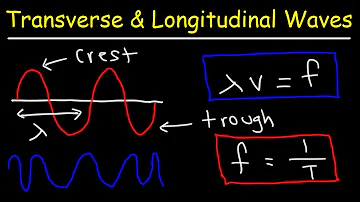
Transverse and Longitudinal Waves
The Organic Chemistry Tutor
762.7K مشاهدة · 7 years ago
5:17
Physics Waves Frequency Wavelength FREE Science Lesson
AtomicSchool
681.6K مشاهدة · 8 years ago
3:39
Wave Motion Waves Physics FuseSchool
FuseSchool - Global Education
1.5M مشاهدة · 8 years ago
3:24
Wave Equation Waves Physics FuseSchool
FuseSchool - Global Education
215.3K مشاهدة · 5 years ago
16:03
Science Grade 6 waves part 1
Hossam Gad
393 مشاهدة · 6 years ago
11:17
Sci Matters Gr 6 Unit 5 Waves and Information Transfer

 3:18
3:18
 0:29
0:29
 5:08
5:08
 5:17
5:17
 3:39
3:39
 3:24
3:24
 16:03
16:03
 11:17
11:17
 14:21
14:21
 2:57
2:57
 2:13
2:13
 5:17
5:17
 8:21
8:21
 12:43
12:43
 6:30
6:30
 2:18
2:18


