النص الكامل للفيديو
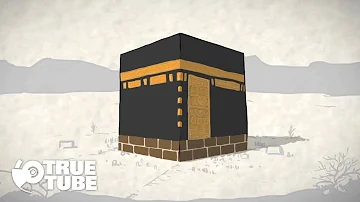
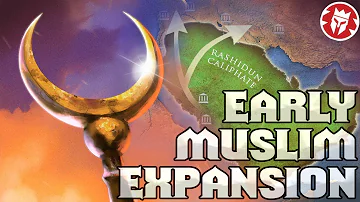
All right, let's dive into an absolutely epic period of history. We're going to explore how in just about hundred years, new faith from the Arabian deserts didn't just find its footing, it literally exploded onto the world stage, forging an empire that would completely reshape the course of human civilization. So, you have to ask the question, right? How did this even happen? How on earth did group of desert tribes who were kind of on the sidelines of the big world powers manage to unite and just roll over two massive established empires in few short decades. It's fascinating puzzle. So, let's get into it. So, here's our game plan for today. We're going to start with what Arabia looked like before Islam. Then, we'll talk about the prophet Muhammad and how he unified the region. After that, the incredible age of conquest, followed by the internal conflicts that split the faith. Then the rise of the first great dynasty, the Umiads, and finally where this tidal wave of expansion finally hit wall. Okay, so to really get how fast Islam rose, you first have to understand the world it was born into. We're in 7th century Arabia, piece of land basically sandwiched between two absolute titans. The Byzantine Empire to the northwest and the Persian Cissanian Empire over to the northeast. Now, if you looked at Arabia itself back then, it wasn't one unified country. Not at all. It was more like patchwork of nomadic tribes who were often fighting each other alongside these really important trading hubs like Mecca. And religion, it was all over the map. You had Christian communities, Jewish communities, all living alongside majority of people who were polytheists. Mecca was big deal religiously, home to the sacred place called the Cabba, which was important to lot of different groups. So, the main takeaway here is this was divided land just waiting for something or someone to pull it all together. And that unifying force, well, it arrived in the form of merchant from Mecca named Muhammad. His life and the message he preached would be the spark that ignited one of the most incredible transformations in all of history. Let's just run through this amazing journey. Around 610, Muhammad starts preaching this new message of single all powerful God. Now, the powerful folks in Mecca were not happy about this and the opposition got so intense that in 6:22, he and his followers had to migrate to the city of Medina. This move known as the Hijra was so important that it actually marks the beginning of the Islamic calendar. In Medina, his community grew and by 6:30 he marched back to Mecca with an army and took the city. Just 2 years later, when he passed away, he had done what was once unthinkable. He'd united almost all the tribes of Arabia under the banner of Islam. Now, the big idea at the center of all this was something called the this was truly revolutionary. It wasn't just religion. It was whole new kind of community. Your identity wasn't based on your family or your tribe anymore. It was based on your shared faith. This idea where belief and politics were totally linked was the glue that held it all together and allowed them to build state. So with Arabia finally unified and fired up with this new purpose, the stage was set for an absolute explosion. After Muhammad's death, his successors, the Kiffs, pointed this newfound energy outward. And what happened next? Well, it's just mindboggling. And what comes next is just this whirlwind of conquest that completely redraws the map. First, they strike north into Byzantine territory. By 635, the great city of Damascus falls. Only 3 years later, in 638, the hugely symbolic city of Jerusalem is under their control. In that exact same year, the armies pivot east and take Crettoithan, the capital of the Persian Empire, basically shattering one of the world's great superpowers. And by 642, they've taken Egypt, the bread basket of the Byzantine Empire. mean, think about that. In less than 10 years, the entire old world order had been completely overturned. So, how on earth did they move so fast? Well, it was kind of perfect storm. First off, the two big empires, Bzantium and Persia, were totally drained from fighting each other for decades. Second, lot of the people living under their rule, especially in places like Syria and Egypt, weren't exactly happy with high taxes and distant rulers. The Arab armies often offered really good surrender terms. Plus, there was big financial incentive to convert to Islam since Muslims paid much lower tax. You combine all that with the incredible unity and motivation of the Arab tribes and you've got an unstoppable force. But even as the empire was winning these incredible victories on the outside, storm was brewing on the inside. As the empire got bigger and bigger, new critical question popped up. Who should be in charge? And that one question would end up tearing the community apart. The whole crisis really kicks off in 656 with the assassination of the third calipman. His successor was Ali who was Muhammad's cousin and son-in-law. But his claim to leadership was challenged right away and that sparked the first Islamic civil war or fetna. The conflict ended in tragedy with Ali himself being assassinated in 661 creating split in the faith that has lasted to this day. And out of this terrible conflict, three main groups emerged. Each with very different idea about who should lead. The majority who would become the Sunnies believed the leader, the caiff, should be chosen from the community. But the supporters of Ali, who became the Shia, insisted that the leader had to be from the prophet's family line through Ali. Then you had third group, the Kajjetites, who took an even more radical view. Any good Muslim could be elected leader. It didn't matter who their family was. These were fundamental disagreements that would define the faith for centuries. And this isn't just ancient history. The legacy of that civil war in the 7th century is still massive deal today. That split between Sunni and Shia Islam is still the biggest division in the Muslim world. About 85% of all Muslims today identify as Sunni and about 15% as Shia. So after all that chaos and civil war, new order finally takes shape. powerful governor from Syria named Muawia seized control and founded the Umaya dynasty. And this was huge shift. We're moving away from the idea of an elected leader to full-on hereditary imperial monarchy. The Umuds made couple of game-changing moves. First, they moved the capital out of the religious heartland of Medina and set up shop in the much more strategic city of Damascus. Second, they really started running the state like centralized empire, one that was very clearly an Arab-led empire with Arab elites at the top of the social ladder. And under the Umiads, it stopped being just about conquest and started being about actually building an empire. They kept expanding, pushing all the way across North Africa and up into Spain. They created their own unified currency, the dinar and the dearum. They made Arabic the official language of the government, kicking out Greek and Persian. And they built these breathtaking buildings like the Dome of the Rock in Jerusalem, which was basically giant statement saying, "We are here to stay." For almost hundred years, it really seemed like nothing could stop this expansion. The empire stretched from the borders of India all the way to the Atlantic Ocean. But you know, every empire, no matter how mighty, eventually finds its limits. The year is 732, full century, almost the day after the death of the prophet. The wave of conquest has pushed deep into what we now call France. Near the city of Poier, an army of Franks led by guy named Charles Martell finally stops the advance. This battle along with an earlier failed attempt to capture the great city of Constantinople really marked the high water mark. The seemingly endless wave of expansion had finally broken. The classical era of conquest was over. And it wasn't long after that the Umiadia dynasty itself would fall to internal rebellions. But here's the thing. Even after the Umiads fell, the world they had created, this vast new civilization connected by faith, language, and culture, it didn't just endure, it thrived. Which leaves us with one last big question to think about. What was the most powerful legacy of this incredible first century? Was it the military victories? Was it the new faith that fueled it all? Or was it maybe the deep divisions that were created in the very process of forging that empire? The answer, of course, is still shaping the world we live in right

 30:48
30:48
 18:55
18:55
 8:11
8:11
 5:06
5:06
 27:59
27:59
 12:53
12:53
 48:27
48:27
 1:53:12


