the animal kingdom remarkable array of living breathing natural wonders Majestic compelling ingenious and extraordinary fascinating physical visceral and ferocious discover their past present and future just stunning just glorious just amazing just animals turtles tortoises and terrains in the animal kingdom time seems to pass at different speeds for some like butterflies life can be fleeting While others Pace themselves and enjoy long journey living in the slow lane is something these reptiles are famous for they are adaptive creatures and can be found living in all parts of the world except Antarctica all of these reptiles are aquatic or semi- aquatic with huge range of body sizes shell shapes and carpus patterns the world of turtles is Rich and varied just as you would expect from such ageold animals Turtles tortoises and terpins all belong to the same order the testudines they are an ancient group the only reptile more primitive is the Tuatara unique lizard-like creature found only in New Zealand often all testudines are simply referred to as Turtles as such Turtles share certain characteristics with their fellow reptiles firstly Turtles are ectothermic or coldblooded which means they can't control their body temperature instead it rises and falls with changes in their environment this directly affects their energy levels for example as temperatures drop they become less active next Turtles are vertebrates animals with backbone their shell is what sets them apart from other vertebrates it's not an exoskeleton but actually modified rib cage that is part of the spinal column in fact the inner layer of the shell is comprised of about 60 bones turtle shell is made up of three main parts the upper section is the carapus underneath the plastron with bony structures called Bridges fusing the two on either side another feature seen on all reptiles are scales rigid plates that protect their skin scales are made from keratin the same fibrous protein in hair feathers and Claws the majority of turtle species also come equipped with extra Hardy scales called scoots these are what cover their shells interestingly the majority of carrasses have 13 scoots unlike regular scales scoots are bony structures that develop in deeper level of the skin together scales and scoots provide natural armor for the turtle plus help prevent water loss via the skin as turtle and its shell grows old scoots are shed peeling off to make way for larger ones tortoises and terrestrial Turtles usually have Dome shaped shells and stubby legs perfect for getting around on dry land in comparison the shells on aquatic turtles tend to be flatter making them more streamlined in the water they either have webbed feet or Flippers as seen on marine species some water dwelling species have soft shells with no bony layer or simply have cover of flexible oily skin known as leather backs these are the largest Turtles on the planet the shells of these Marine Turtles can grow more than 2 in length with mature adults weighing up to 900 kilos that's similar to two grand pios on land their closest rival is the galapagus: 7 kg from head to tail they can measure 1.8 these Island Giants are some of the longest living terrestrial vertebrates averaging more than century under the umbrella term Turtle there are more than 3 100 species all of these reptiles are aquatic or semi- aquatic the highest concentration of testudines are found in tropical and temperate regions subsaharan Africa is hot spot for tortoises this region boasts the highest number of species the equivalent zone for Turtles is South America the Central and Amon River Basin is particular favorite they all fall into two suborders based on how they move their necks defensively in layman's terms the first are hidden necked they can retract their neck and head straight back into their shell able to look around with both eyes the rest are side necked which can bend their neck and head sideways tucking it under their shell leaving one eyee for surveillance geographically side neck turtles are only found in the southern hemisphere in Australia New Guinea and South America hidden necks are better represented with 11 family groups they have much wider distribution living in both hemispheres in variety of terrestrial and Aquatic habitats some of the most familiar are the snapping turtles Pig noos Turtles and Marine Turtles also known as sea turtles green sea turtles are the most numerous of the marine species their name comes from the fact that their herbivorous diet turns their body fat green their shells usually range from Olive to black in color on average they grow to weigh 150 kilos the carapus is smooth and has distinctive heart shape there are two distinct populations of green turtles the Atlantic and the Eastern Pacific they can be found off the coast of 140 countries and have nesting grounds in over 80 countries worldwide green turtles can cover large distances between their feeding and breeding grounds traveling at sedate 2 and half to 3 kmph Hawks bills are petite in comparison weighing under half that of green growing to just 1 in length they have narrower heads and beak-like mouths from which they get their name the carpus of the Hawks bill has an Amber background covered in IR regular streaks of blacks and Browns the colors changing slightly depending on the water temperature in times past this was the primary source of decorative torto shell and was nearly the undoing of the species today the hap bille is found in warm tropical waters over wide range in the coral reefs of the Indian Pacific and Atlantic oceans loggerheads are the largest hard shelled Turtle weighing up to 200 kilos named after their large heads these Turtles use their powerful jaws to Crunch through spiky sea urchins and hard shellfish loggerheads nest in more parts of the world than any other sea turtle they are found in the Atlantic Pacific and Indian oceans as well as the Mediterranean Sea they have one of the longest migration routes of any sea animal and one tagged individual was tracked 14,500 km across the Pacific leatherbacks are the real Trailblazers they have the widest distribution of all turtles and are found in tropical temperate and subpolar Waters they are the largest of all turtles and are open ocean Specialists staying on the move and spending less than .1% of their time stationary while sea turtles rule beneath the waves tortoises are well equipped for life on land the African spur toris is the largest found roaming that continent only the giant Island tortoises beating them in stature these robust tortoises get their name from the large Spurs that grow from their thighs their shells can measure more than 80 cm in length hatchlings start at 5 to 7 cm but they grow quickly doubling in size for the first 3 years of life adults weigh up to 105 kilos and can live more than 70 years the alabra giant tortoise is the other lesser known giant tortoise found in the alabra atol islands of the SE shells it matches the galapagus: individual cases but as species it is overall slightly smaller they have an average weight of 250 kilos and thanks to preservation efforts dating back to the early 1900s there are about 100,000 of them on their Island hones primarily herbivores they have an unusually long neck that enables them to stretch for low hanging foliage up to meter from the ground much smaller but equally Hardy are Californian desert tortoises they're also known as gopher tortoises due to their habit of digging Burrows to escape the heat ground temperatures can reach 60° so these diggers spend 95% of their lives Sheltering in their Burrows they are slow Growers taking 16 years to reach 8 cm in length but eventually their High Dome shells grow up to 15 cm in height and 36 cm in length they have home range of between 4 to 40 hectares in which they eat drink and breed quite an area to cover when you average only 200 day while tortoises are completely dedicated to dry land many turtles enjoy The Best of Both Worlds the red eared terapin or slider is one the name of these semi-aquatic reptiles is quite literal coming from their bright red ear markings and their ability to quickly slide into the safety of water native to the Southern United States and Northern Mexico they usually inhabit ponds lakes and swamps or slow flowing waterways calm enough for them to climb out in order to bask on rocks or logs on average the pist on these terpins measures 20 cm unusually the female is slightly larger than the male of the species European pond turtles are another freshwater species their dark shells and skin dappled with yellow spots these medium-sized reptiles live in Wetlands surrounded by natural wooded landscape considered semi aquatic they've also been found roaming as far as 4 km away from the water pond turtles are long lived like many of their kind averaging 40 to 60 years with rare individuals reaching an amazing 100 years long- necked Turtles are also known as snake necked Turtles and it's easy to see why their shell will eventually reach 25 cm in length with their necks almost matching that their necks act in the same manner as snake striking out at passing prey usually tadpoles frogs fish and crayfish they are extremely common along the Eastern edge of Australia and have adapted to live in almost any Waterway from Farm dams to rivers and lakes another species that is happy in almost any freshwater habitat hat is the Chinese soft shell turtle as the name suggests these Turtles differ from others by the absence of hard scoots on their carpus their carapus is supported by bone along the center but not at the edges and is pliable and leathery making them light and flexible their long snouts allow them to snorkel so they can rest in mud or sand in shallow water and pop their nostrils up for air large or small it seems every Turtle packs determination and tenacity inside their shell to survive the ages the key to any animal's success are their adaptations while eggs and young Turtles are easy prey for the likes of ravens lizards and even ants grown Turtle has few enemies foxes and coyotes will occasionally attempt to capture them but Turtles excel at self-defense their hard shells composed of fused bones are like protective shields on land running away is not an option for these slow movers instead they rely on their natural bunkers some species being able to retract their neck and legs inside their shell when threatened the tough scoots covering the carapus act like armor against attacking Predators if tortoise is turned on its back either through fall or by predator it is usually doomed not so the leopard torus it's distinctively shaped shell adapted to assist it to return to stable St if toppled Hawks bills use their armored heads to shelter them from the stings of sea an enemy and Portuguese man of war closing their eyes while they eat covers the only unprotected area on their body they also have resilient digestive systems many of the sponges they eat are highly toxic to other creatures to escape danger desert dwelling toris dig burrows which also protect them from intense heat while short sturdy legs and claws are perfect for getting around on land The Aquatic side of the family have different needs turtle's foot gives Clues as to how much time they spend in water the degree of webbing greater in fully aquatic species with sea turtles going to the extreme of developing allike flippers compared to their terrestrial cousins their shells are flat streamline structures better suited to swimming at sea tiger sharks in particular Target leatherbacks loggerheads and green sea turtles killer whales also feed on leatherbacks while their shell can protect their bodies to an extent their limbs are vulnerable swimming away fast is the best defense leatherbacks have the most hydrodynamic shell and they can power to 10 kmph and have been tracked at an incredible 35 kmph diving is another skill these reptiles have mastered leatherbacks are one of the deepest diving marine animals often diving to 1,000 in Pursuit Of Prey only beet and sperm whales dive deeper spending all that time in the deep ocean means leatherbacks contend with cold water temperatures unique among reptiles they are able to raise their body temperature by generating heat from their muscles leatherbacks have been recorded with body temperature 18° above the surrounding water temperature thanks to their slow metabolism sea turtles can survive long deep Dives green sea Turtles are able to stay submerged for up to 5 hours dropping their heart rate to conserve oxygen they are able to rest or sleep underwater and will wedge themselves under rocks or Ledges in reef to protect themselves from predators some have been observed returning to the same spot night after night living in salt water might seem challenge but sea turtles have developed Solutions keeping hydrated is not problem as they obtain moisture from their food plus they can also metabolize or process sea water when they do sea turtles need to get rid of the excess salt they do this via special gland that empties into their eyes when Shore these salty discharges make Marine turtles look like they're crying these extra salty tears have another use clearing sand from females eyes while they're digging out nests galapagus: this trait proving useful when their ancestors floated across the ocean on prevailing currents from South America despite being large they are buoyant and able to stretch their necks up above water for air soft shell turtles have an interesting but slightly distasteful adaptation when it comes to urinating to expel toxic Ura from the body in the normal way requires large amounts of water loss in order to avoid consuming lots of salty water from the brackish environments in which they live soft shell turtles can secrete Ura from their mouths by ducking their head under water they can simply rinse their mouth out in the water camouflage is another important survival tool for Turtles their shells are excellent examples of countershading seen from below their pale bellies make them difficult to see with the light shining down from the surface then from above their dark carrasses meld with the depths below up on land modled patterns and earthy tones are useful to blend end in and avoid detection for giant tortoises size is definitely positive aiding their long-term survival being Hefty does have its downside but to compensate for their massive shells they've made some clever internal adaptations to ease their load they might look solid but inside they're comprised of honeycomb like structures filled with air pockets strong yet light above or below the water line turtles have good sense of smell like other reptiles they detect sense with Jacobson's organ on the roof of their mouth instead of fcking their tongues to smell they pump air or water through their nose and mouth to take sniff in terms of vision Turtles are believed to have well-developed sight in air and underwater sea turtles can also see in color helpful when choosing foods and identifying predators to avoid having rigid shell makes life difficult when it comes to breathing instead of expanding and Contracting ribs to exchange air Turtles must move their neck and limbs to draw air into their lungs opposite sets of abdominal muscles contract at differing times to help breathing in and then to expel air under pressure when you're burdened with body of such stiff limitations adaptation has always been the key to survival Turtles and tortoises truly stand the test of time not only do many enjoy tremendous lifespans they are some of the oldest most primitive reptiles found on the planet as group they are thought to be more ancient than crocodilians and snakes as to the origins of modern Turtles and tortoises that's an ongoing debate amongst experts the oldest fossil evidence as yet dates them back to the middle Triassic about 240 million years ago recent DNA analysis suggests they branched off from archosaurs the same group that dinosaurs crocodilians and birds evolved from another theory has the more closely related to lizards and to ataras while modern turtles have beaks made of keratin many of their ancestors had teeth the most primitive in the family tree also lacked shells but they did have precursory structures features that showed hints of what would eventually be such as sets of rod-like bones that protected their bellies moving forward in time the Cretaceous period saw the rise of the largest sea turtles to ever exist massive creatures that were twice as long as modern leatherback that weighed about 2 tons no matter which evolutionary theory has followed Turtles are not alone in the modern world with plenty of animals to keep them company within the branches of their family tree one vital ingredient that kickstarts any behavior in turtle is energy from the Sun being cold blooded the warmer they are the greater their activity levels basking is common way these reptiles heat up logs branches and warm rocks are popular options for sunning themselves sea turtles are also known to crawl ashore to catch some rays each species leave distinctive tracks on the sand depending on how they move their flippers loggerheads leave alternating Comm shaped flipper marks while greens leave parallel marks from their Strokes through the sand with drag line from their tail running up through the middle slow goinging when you weigh up to0 kilos on land turtles steadily make their way by moving one foot at time their body weight supported by two diagonally opposite limbs at all times their average walking pace is 6 kmph unless you're one of the giant tortoise species then the added weight slows the speed gpus tortoises move at steady 300 an hour in the water aquatic species can travel three times faster they're webbing or Flippers boosting them along socially they are solitary creatures by Nature the only time Turtles usually interact with each other is when they're mating outside the breeding season if they happen to encounter other Turtles they will tolerate their presence but won't socialize apart from their graceful swimming ability sea turtles also display great stamina during their longdistance migrations green sea turtles can cover as much as 2,600 km several times in season when they return to their spawning grounds an incredible effort that is only the beginning of remarkable Story of Survival whether they live on land or in the water tortoises and Turtles all have the same start in life inside an egg the shells can be soft and leathery or hard similar to those on bird eggs many species create nests for their eggs on land scraping out holes in mud or sand apart from the occasional basking session nesting season is the only time female sea turtles ever come ashore motherhood comes relatively early to loggerheads these ladies are ready to deposit clutch by the time they reach 12 to 30 years of age green sea turtles take their time to mature females can start breeding anytime between their 20th and 50th birthdays while males will simply travel to the nearest nesting Beach for breeding purposes females will always return to their birth or natal Beach exactly how female sea turtles find the same beach each nesting season is intriguing at sea turtles navigate using Wave directions sunlight and temperatures as they near their natal spawning grounds the turtles use magnetic fields to navigate their way Studies have shown every part of the coastline has unique magnetic signature the turtles are able to detect and store this information and use it to guide their internal Compass back home short period after mating egg Laden green sea turtles haul out onto their nesting Beach or Rookery thousands of females can Nest at single Rookery at any one time the mothers slowly crawl their way just above the high tide Mark to create their nests this way when the hatchlings emerge they are as close as possible to the water first the females scrape away hollow known as body pit then below that they carve out an egg cavity once that job is complete she starts to deposit her eggs on average green sea turtles lay 11 15 leathery eggs similar in size to pingpong ball this will not be her only clutch in one season females can potentially lay five nests worth the entire nesting process takes 1 to 2 hours and once the nest is covered the female heads back to the water as far as maternal care goes that is it the gender of the developing Turtles depends on the temperature of their Sandy Nest research has shown that eggs incubated at 27° become male while nests few degrees warmer produce females temperatures can vary inside nest with eggs near the center warmer therefore creating female hatchlings with the surrounding eggs male after 50 to 70 days the hatchlings start to emerge digging their way up from the chamber like birds they have an egg tooth on their nose to help them break through their shell hatchlings are roughly 5 cm long and weigh as much as able battery now free of their nest the petite noob Wars instinctively race for the water scrambling over any obstacle in their way the Need for Speed is great as the hatchlings try to avoid being picked off by lurking predators from this point on life is numbers game usually only 1% of hatchlings survive to maturity large clutch sizes and multiple nests help to combat these dismal odds once swept into the relative safety of the Waves their flippers kick into swim mode the stored energy from their egg yolk gives these babies the power to go non-stop for up to 72 hours not much is known about the life of baby turtles scientists often referring to this early phase as the Lost is with little solid evidence as to where they go and what they do recently satellite tags on hatchlings have started to fill in some blanks showing they spend their teenage years traveling long distances catching free rides on ocean currents floating along in mats of seaweed sticking close to the water's surface as for lifespans testudines are renowned for their longevity galapagus: average 150 years and many have much longer lives smaller tortoises live 30 to 40 years and sea turtles live between 50 and 80 years they are slow Growers and the years are apparently kind to their bodies the organs of an older Turtle are found to be in practically the same condition as those in one much younger the secret to their long lives slow metabolism the ability to survive harsh conditions for lengthy periods tough natural armor and perhaps luck for the many types of turtles and tortoises there are diverse number of habitats to support them these can range from arid deserts Lush grasslands calm freshwater systems marshlands and estries offshore reefs and the open ocean coming from so many different walks of life testudines enjoy broad range of diets some are vegetarians happy to dine on plant material alone adult green sea turtles have adapted to strict diet of algae and seagrasses their mouth or beak has serrated edge to help them Harvest and chew through Marine vegetation out of the seven sea turtles they are the only herbivores one of their terrestrial cousins the galap as torus is equally fond of greens grass leaves and cactus plants keep these Island giant satisfied their giant cousins the alabra tortoises graze on combination of plants that have become known as toris Turf these dwarfed grasses have adapted to grow their seeds not on top but underneath close to the ground keeping them out of range of the Al Debra's close cropping Jaws back under the waves Hawks spill Turtles enjoy seafood diet using their narrow beaks to forage inside the crevices of coral reefs squid shrimp and sponges are popular menu items in weeding out sponges in particular Hawks spills provide service left unchecked they can quickly overrun reefs another benefit when chopped up by turtle's beak the sponge Interiors become exposed providing an additional food source for the entire neighborhood the Jaws on loggerhead turtle are all about crushing and grinding they make short work of crabs and clams leatherbacks have delicate sizzor likee Jaws so they target softer Foods jellyfish are staple for these massive reptiles Pacific leatherbacks will migrate almost 10,000 km across the Pacific from their nesting sites in Indonesia to eat California jellyfish to satisfy their appetite they will eat more than 200 kilos of them on daily basis helping to keep Global jellyfish populations in check freshwater turtles offer similar service by gobbling up insect ly they act as natural pest controllers for other Turtles algae aquatic plants fruit snails and crustations are all on the menu and in some cases worms they are wood turtle favorite when hungry they sometimes stomp on the ground it's thought they do this to imitate the sound of rain falling to trick earthworms to come to the surface alligator snapping turtles are sneakier their tongues look like worms clever lure to attract prey they patiently lie in wait with their mouths wide open until their meal Strays close enough fish snakes and frogs all fall for this trick carrying is another abundant food supply in nature nothing goes to waste for millions of years sea turtles have been doing their part to keep the world's oceans vibrant and healthy their great raing habits ensure seagrass beds are trim and under control these aquatic forests are key habitats for multitude of marine life coral reefs and the populations they support also benefit as byproduct of turtle grazing the surface of sea turtle shell and body are source of nutrition for fellow Travelers with various creatures acting like cleanup Crews feeding on unwanted parasites in return for the free meal the turtle gets Clean Skin and smooth shell when they do come ashore sea turtles generously drop off loads of nutritious cargo that enrich Beach and dune communities the growth of stabilizing vegetation would be stunted if this supply of vital nutrients wasn't brought ashore by these generous reptiles deserts would be more Barren if it weren't for the activity of tortoises these Hardy reptiles kindly dispersing seeds throughout their range the borrows they dig also provide refuge for other desert animals slowly steadily Turtles make big impact on the world around them something they've been doing for countless Generations Turtles and their images have long been depicted in human culture often associated with creation myths and representing longevity and stability they are viewed as patient and wise due to their slow moving nature the tortoise is sacred in China and symbolizes power and tenacity in ancient China turtle's flat plastron and domed carapus represented the idea of flat Earth and domed sky traditional Japanese beliefs include mythological giant turtle known as the minam regarded as Haven for immortals and the world mountain and symbolizes good luck and support because of their ability to produce large numbers of Offspring Turtles became symbols of fertility in ancient Greece and Rome testudo Latin for toris was type of Shield wall adopted by Roman Legions to protect themselves during Siege Warfare the earliest known silver stator coin used as currency in ancient Greece dating back to approximately the 5th Century BC featured turtle the world turtle is persistent mythology in many cultures Native Americans say the weight of the Earth is carried on turtle's back referring to North America as Turtle Island when earthquakes shake the land It is believed to be the world Turtle stretching under the weight of the world according to Legend the people of Hawaii were gu to the islands from other parts of Polynesia by sea turtles in recent times turtles have become symbol of conservation and environmentalism turtle based ecotourism helps fund conservation efforts all over the world turtle images have become shorthand for environmentally friendly products from mythical Legends to Modern marketing turtles have slowly but steadily become symbol of wisdom longevity and dependability in cultures the world over Turtles may have survived for millions of years but modern conditions are creating challenges for many species both on land and out at Sea the pet trade egg harvesting land clearing introduced predators and pollution sample of issues these ancient reptiles face around the world researchers and dedicated conservation groups are doing what they can to improve the health and well-being of this ancient group of reptiles many nesting grounds now enjoy protection moves like this will hopefully lead to the recover of the critically endangered Kemp's Ridley Turtle among the smallest of the sea turtles Kemp's Ridley Turtles were driven to the brink of Extinction by overh harvesting of their eggs predation of their hatchlings has made recovery slow as the females need to reach 10 to 12 years of age to breed commercial fishing fleets now use turtle excluders in their Nets and habitat protection has help to turn numbers around rehabilitation centers and sanctuaries care for sick and and injured Turtles where possible releasing them back into the wild public education programs and eco-friendly tours are also key ways to promote their cause what better incentive than the heart melting experience of witnessing hatchlings emerge from the sand and Sprint to the waves slow and steady has always been the turtles Mantra one that will hopefully serve them well to ensure their ongoing presence for generations to come
23:53
This Is The Hidden World Of The Turtle Our World
Our World
3.4K مشاهدة · 3 years ago
48:56
Turtles – The Fascinating World Beneath the Shell Little Matters Free Documentary Nature
Free Documentary - Nature
58.8K مشاهدة · 9 months ago
6:11
How Sea Turtles Return to Their Exact Birthplace I Wild to Know
Terra Mater
56K مشاهدة · 4 years ago
1:05:02
TURTLE ODYSSEY The Ancient Voyagers
Marine Planet
4.2K مشاهدة · 11 months ago
11:11:52
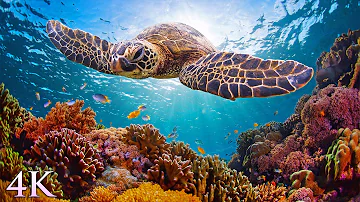
11 HRS of 4 K Turtle Paradise Undersea Nature Relaxation Film Meditation Music by Jason Stephenson
Nature Relaxation Films
17M مشاهدة · 5 years ago
52:15
Just Turtles Exploring the Lives of Ancient Reptile Full Documentary
Get.factual
176.4K مشاهدة · 2 years ago
5:25
The biggest gathering of freshwater turtles on the planet Parenthood BBC
BBC
323.4K مشاهدة · 8 months ago
48:56
The Deadliest First Steps in Nature Little Matters Turtles Full Documentary
Wild Life Documentary
686 مشاهدة · 1 month ago
11:02
Uncovering the Secrets of Leatherback Sea Turtles WILD HOPE
Nature on PBS
84.9K مشاهدة · 2 years ago
51:58
This Video On Turtles Will Change Your Perception Of Them Forever The Reptiles Our World
Our World
1.1M مشاهدة · 4 years ago
44:21
Sea You Later Turtles Full Episode Magic of Disneys Animal Kingdom
Nat Geo Animals
49.4K مشاهدة · 1 year ago
26:44
Sea Turtles The Lost Years Full Episode
ChangingSeasTV
128.7K مشاهدة · 10 years ago
6:25
Baby turtles first steps BBC
BBC
1.4M مشاهدة · 7 years ago
43:27
Sea Turtles Wolves Dolphins More 30 min of Amazing Animal Stories Earth Rangers
Earth Rangers
4.1K مشاهدة · 4 days ago
11:16
The Secret World of Turtles Relaxing Nature Documentary
Octo Dreams
8 مشاهدة · 8 months ago
11:51:00
Relaxing Music The Best 4 K Sea Animals for Relaxation NO ADS SEA TURTLES Swimming
Ocean 4k - Relaxation Film
1M مشاهدة · 11 months ago
1:34:54
Lion Vs Buffalo When Prey Strikes Back at the Predator Lion Documentary
Nature Kingdom
249 مشاهدة · 2 hours ago
2:23:43
Turtle or Tortoise The Quiet Science of an Ancient Animal

 23:53
23:53
 48:56
48:56
 6:11
6:11
 1:05:02
 11:11:52
 52:15
52:15
 5:25
5:25
 48:56
48:56
 11:02
11:02
 51:58
51:58
 44:21
44:21
 26:44
26:44
 6:25
6:25
 43:27
43:27
 11:16
11:16
 11:51:00
 1:34:54
 2:23:43
 6:58
6:58


