النص الكامل للفيديو
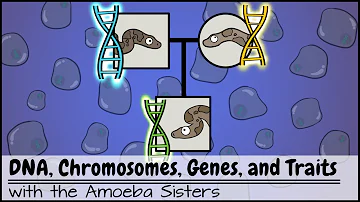
All right. So, just wanted to take moment today and share with you this genetics code, genetics note that got from one of my previous class that made. So, think it you it sums up the entire the entire unit pretty well and it's it's very close to what's usually on the test. So, let's start. DNA stands for do the ozar new bone nucleic acid. It is molecule that that stores all the genetic information of all living organisms. It composes repeating unis nucleotides and each of the these nucleotides composes of dozy dozy sugar which is phosphate group and one of the four nitro nitrogen nitrogenous bases at ATCG and AO is par is parag. Basically this tells us the fundament fundamentals of DNA which is our first class believe. And then the DNA tells us what the cell is going to do. It controls the structure basically how to do it. DNA replication is process that occurs before cell division to ensure that each daughter cell receives complete set of genetic material. During this replication process, the DNA molecule separates and each strand serve as template of formation of new brand. So here is review of the cell cycle which was you know mitosis from grade nine and 10. So we have interphase. This is when the cell is growing. The cell grows larger and carries out normal growing process. And then the Sphase the DNA is replicated. In the G2 phase, the cell continues to grow but prepares for myom mitosis and then mitosis is then separated into four phases. Prophase which is the nuclear membrane and nucleololis disappearing. This is the first phase and then you will still you will start to see them start to split apart. Sorry, not split apart, but you'll start to see that the membrane is gone. And now we have the spindle fibers, which is going to be the things that you know this the chromosomes is going to attach to. And then in the metaphase, the chromosomes line up in the middle and they do they attach themselves to the spindle fibers. While the anaphase, they're pulled to the opposite sides. the central mirrors which is the thing that attach the strand onto the spinal spindle fibers. It will eventually break and this will create single stranded chromosomes well chromatids. And finally as telophase this is when the chromos chromat chromosomes decompose to become chromatins and the cell membrane folds inward while the nuclear membrane is back. Now there's something that highlighted in red. Is that important that mitosis only takes place in somatic cells? This is because well it going to it's going to produce perfect perfect perfect well daughter cells. It's going to be completely the same. Everything is going to be completely genetically identical. So cytochinesis is the last process. And finally we have after cytoinesis we have successfully created two genetically identical diploid daughter cells. It is very perfect and there's very very very little amount of chance that you're actually going to get any mistakes. So just like mitosis occurs in somatic cells we have meiosis that occurs in reproductive cells. So this is where gametes are produced sperms and eggs. It reduces chromosome by half ensuring genetic diversity and its two rounds of division matrix meiosis one and meiosis 2. So it divides the chromosome by half. It's because usually, well, not usually, always you need dad and you will need mom. And when you when you guys combine together, you're going to get perfect individual. So unlike well mitosis, we start off chromosomes from, you know, both parents. So let's say have dad, have mom, and then the experiment is egg meat. And we're going to have, you know, chromosomes. And then together they're called tetrats. They're going to link up right here in prophase They're going to pair up. For example, for the same trait, they're going to get paired up. Let's say if have dad's hair color and mom's hair color, and then they're going to be on the same trait. So, they're on the same chromosome. And these two chromosome will pair up. But, okay, was just an example because, you know, chromosome is too big, way too big to just say the car hair color. It's going to say many other stuff. So the sim the chromosome describing the same trait is going to line up together and they're going to form tetrats. So basically four four chromatin. So we have well two chromosomes basically. So they pair up and then all of these happen which is basically metaphase anaphase telophase everything is the same thing. It's the same process as mitosis except you're starting with more and you're ending with more obviously. But one big big difference that occurs in meiosis that do not occur in mitosis is crossing over. So this is where the stage of you know the tetra is formed. But when we split them apart we can't just split it perfectly because if we split them perfectly there's going to be no genetic diversity. And what does that mean? That means you and your sister and your brother, you guys are going to be completely identical except for gender. So there's little bit of crossing over which means that you know your eye color might be little or lot lot darker than your brother's and your brother's hair color might be lot darker than yours. And then after that we have meiosis 2. This is completely similar to my mitosis but except except for that we create more. So basically since we had you know two chromosomes to form tetras we break down the tetras to form well two cells that has two chromosomes and then obviously meiosis 2 we break those again and then we will create four genetically unique ho yummy cells they're all genetically unique and it's different because well all of them is supposed to be different or else humans will be extinct guess. And then you have ugenesis and spermatogenesis. Basically that's creating sperms and eggs. So eugenesis occurs in females. We produce only one usable eggs and polar bodies. So basically when we have the when we are onto meiosis 2 and we create these four genetically unique hloid gamt cells. We don't actually create we do create four but there's only one of them is usable one. This is because the unequal distribution of cytoplasm and meiosis of meiosis one for this production of egg usually happens before birth for females. Meiosis 2 does not begin until the sperm fertilizes the egg and finishes meiosis. Now spermatogenesis loses cytoplasm every step it goes through. That's why sperm cells are really really really really really really small. But it uses that energy that it produces to actually develop fleellum which is basically the you know many people they say that well they say that the the sperms they look like you know they look like something that can swim and obviously it it is true they they can swim they this I've heard many examples of people saying sperm looks like tapole which is pretty accurate because it kind of does it has that same tail as tadpole and it can swim and that's how it reaches the egg. Anyways, these energy will be stored in the mitochondria in the neck. At the end of meiosis, we the sperm spermatogenesis will produce four viable sperm cells. So, basically woman only creates one one egg, one usable egg and it's spend whole lesson talking about it because it was some sexual health thing that had to address as well. So spent whole spent whole class addressing about how you know how people get pregnant and how females and females eggs work and how sperm works and blah blah blah. Now let's move on to mutations and genetic disorders. So mutation is any change in DNA sequence that leads to some sort of variation. So mutation can obviously occur naturally or it can be induced by environmental factors. for example, radiation and nuclear nuclear active nuclear active stuff usually cause some sort of reaction and it cause people to have itches, skin rashes and such. So type of mutations include point mutation which is chain in single nucle nucleotide or frame shape mutation which means an entire nucleotide is inserted and then the protein sequence is completely screwed and now you're just whole different person. So genetic disorders are mutations that cause due to genetic disorders. Obviously this can be inherited or occur spontaneously. This include we talk about down syndrome, Edward syndrome, patty syndrome, clinical syndrome, Turner syndrome and the only one that you actually need to remember is now and expect you to remember Edward syndrome but it's okay. So these the chance of getting these syndromes greatly increase as the pregnant lady gets older. So if if you know if somebody if there was pregnant woman coming into the hospital and she's at 20 years old, we usually wouldn't be giving her screening and be like, your children is safe from down syndrome." But if we have woman that's coming in at 45 years old, we're be like, "Okay, you know what? We got to do lot of searches to make sure that your kid is healthy." So this tricomy and monoo this is okay. So haven't talked about this. There's not much in the notes. So will talk about it. So this is when you have three chromosomes instead of one, which is not so good. So in the 18th in the 18th set of chromosomes so human we have you know we have sets of chromosomes in the 18th there's three instead of regular two and obviously glitter is in the in the in the gender it's usually xx or xy however it's an xxy which is not good so these are cures when an individual has three copies of particular chromosome instead of two this is because of nondisjunction an air during meiosis where the chromosomes for sister chromatids failed to separate properly. So this this actually happens. Now we talk about little bit of mind and traditional genetics. So Mandel was monk. He planted pea plants and for the most time the pea plants came out yellow and green and then he found out all of these funny things. He breeded them and they found two laws. Well three but you know didn't write that. Law of segregation is that there's always two version of trait passed through yourself. So basically you have one from dad, one from mom. And unfortunately you can only pass one to your offspring because he needs one from dad, one from mom, and you're either the dad or you're the mom. So you only get to pass one. Law of independent assortment says that the chance of getting part particular trait does not affect the chance of getting other traits. However, this is not true for some special cases, but he summed it up good enough. So in the here we did monohybrid and diehybrid crosses and 100% of both. Well, believe talked gave you guys the practice quiz. That was good 100. Yeah. And then co-ominance and incomplete multiple. So, okay. So, mono hybrid and diehy crosses. If you have any questions, you can go back to the videos before. believe you shouldn't have any questions, but if you have, comment down below. So, co-ominance, incomplete dominance, and multiple alos is little different. It's the special cases. So, co-ominance when you have both traits are fully expressed. For example, black pig with white dots or white pig with black dots. So incomplete dominance is none of them is dominant. So it really results in blend. So basically when you have an orange cat and white cat, they blend out to be calico cat. And it looks looks cute. Multiple al is that multiple more than two al control for gen. So usually we have big small and regular big two big A's, homozygous small or something. But then we have whatever. All of these are for height. However, they're all separate. So if it was that genes, he will either pass. So when it was So when you pass on these, it's usually the dad will let's say he passed on So we treat them as separately. We treat this as one. So mom passes small or dad passes small And then we treat as one, mom passes, mom, dad pass big whatever. And then blood types. this this was stupidly confusing. agree. agree with this person right here. Not going to drop the name, but agree with him. It's very stupidly confusing. So there are four types of blood and So however the genotypes is different because we can have homozygate big we can have mixed with hetererozyg with little right there hetererozygate. We have homozygate and with and then we have and then we have only so is kind of you know recessive. So there's also an Rh factor and so Rh factor positive is dominant to negative. So if person is typo negative he can only be RH minus RH minus. So when you really memorize this just let's remember this everyone can receive blood from type minus and but nobody except for minus can give blood to minus and then type AB can take every single blood every single type of blood. Remember that type AB minus cannot actually take blood from type AB+ which is unfortunate and that was that. So polygenic inheritance is trait is controlled by multiple genes. This was taught earlier and then hetereroygate advantages talks about how carriers have certain that has you know some hetererozygots they usually have survival benefit and gave an example here. lethal genes is that these genes are fatal and then when when they're present in homozygous form like homozygous recessive or like if you say you know right here mans cat the talon is dominant but homozyg but these dominant trait when you have homozygous of it they will die before birth so and when we do cross we actually do not count the dead individuals because we just don't count and then pedigree analysis we did lot of it gave lot of practices and you if you should have found more of it. We talk about regular pedigree, some advanced stuff, and then that's pretty much it. And then the last lesson was reproductive strategies where we talk about how humans mix up many things and we do biotechnologies, all of these. Yeah, you don't exactly need to understand this. will remember it. But you do need to have pretty good foundation of us trying to manipulate as much of DNA as we could to potentially help us fix many diseases and virus. And this part think this the hardest emphasize that we always do is that biotechnology is stupidly fast growing field because you know biology might have ex we might have exist existed for good amount of time but biology hasn't it it was very recent science and it heavily depends on chemistry and physics to actually look at stuff with microscope. So, if you are interested, remember to look into this part. And that's pretty much all the notes. will be taking you all through practice practice test couple maybe today or tomorrow. But, yep, that's all got to say today.

 14:14
14:14
 12:18
12:18
 11:21
11:21
 18:45
18:45
 11:14
11:14
 35:02
35:02
 14:02
14:02
 20:14
20:14
 7:25
7:25
 13:07
13:07
 7:29
7:29
 14:00
14:00
 30:25
30:25
 19:26
19:26
 31:09
31:09
 15:02
15:02
 7:14
7:14
 8:18
8:18


