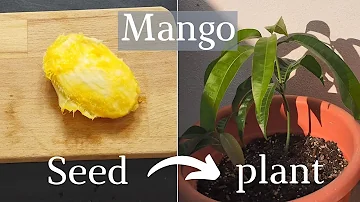
hey everyone its Rob the backyard gardenerr and today we're gonna be talking about how to grow mango trees from seeds so I've had lot of viewers ask me to grow some mango trees from seeds and you know what after several attempts of different methods think have found probably the best method want to give credit to Melvin Wei who also has YouTube channel and I'm really enjoying his mango series and I'll put link down below this video in the description so you can check it out but he's combined couple of methods that I've tried along with really good method that think works I've kind of altered it up but wanted to show you how do it how to get the seed out of the pit how to start the seed to get it germinated and we'll be following this series as they grow today's episode is only from day zero through 17 but has lot of information on how to kick off those mango seeds to get them germinated and off to good start anyway enough rambling let's go see how we get this done alright guys we've got couple of mango seeds here now I've removed these from the mango mangoes about three days ago and I've put them in little Ziploc baggie to let them kind of ferment little bit now they're not fermented there's no mold on them but wanted this to stimulate little bit of the germination process they haven't been kept in the fridge at all just on the countertop they're definitely definitely ready to go after you remove the most of the pulp off and you could brush most of this pulp off too to see just the seed that's underneath there's actually pretty hard seed right here as you can see but the key is inside of this hard shell there's actually mango seed so what you want to do is you want to take this seed and this there's fatter part of it and then thinner part so the seed is most of the critical part of the seed is then here so you definitely want to cut along the edge but stay as far away from this fat part as possible so on this one sometimes it's best to kind of clear spot away like this so can see the shell and right there you can see the shell so you'll want to make small cut right across that shell as close to the edge as possible and it may take you couple of cuts because you're really just trying to get the bare minimum of the shell as possible and I'll show you why in second so I've cut away little bit of the shell exposing you can see the seat inside there and now that I've done that we'll want to try to split this shell open recommend taking the knife and keeping it very shallow and just cutting along this edge and you want to do it for the other side as well once you get in there once you've exposed it you can actually turn the shell and you'll see that it opens up just like this once have it open try to get my finger in there and pull it apart sometimes you'll need to open it little bit more don't think I'm quite opened yet need to get little bit more of the top side opened up there we go and once you open it up you can see the seat inside sometimes if you're lucky the seeds already sprouted in this case it hasn't now also there's this paper substance on here you can just peel that off and preferably you do want to peel that off because the most acceptable part to mold on this seat is this paper coating now you may have to let it dry on the counter for little bit you don't want to dig into it you don't want to damage the seat as much as possible but you should be able to pull most of it away if it's not that easy to pull away yet then you can wait you know 10 or 15 minutes you don't want the seed to dry out you just want the paper to be little bit easier to remove again not critical step but have found you decrease your likelihood of getting mold on these seeds when you remove this paper shell and that should be enough we'll do the exact same process on the other seed which I've already cut and got started again we're just putting our fingers inside and separating this one and pulling the seed out preferably you'd love to see little tiny root started on these that's when you know that they're just itching to grow but sometimes they don't have them matter of fact most of the time they don't have them the key is you don't want it to be moldy this one looks little unhealthy if you look at the difference this one looks like it might be slightly rotten and that does happen sometimes matter of fact do recommend you trying two three or four seeds at time because you're only gonna get germination rate on about in my opinion for what I've done 33 to 50 percent of the seeds you try some will get mold some were never going to sprout sometimes the mangos not ripe enough the seeds not mature enough sometimes the method that you use doesn't work as well but we've got an example of one that's working just fine and I'll show you the method do next all right everyone now in this water bottle have got one part three percent hydrogen peroxide mixed with three parts of just purified water do recommend you do want to give your seeds small bath to remove any possible spores or mold spores or contaminants again they're very prone very prone to mold it's not going to be perfect process but little bit of hydrogen peroxide that we have in here will help kill off in either bacteria and not damage the seed at all in any way plus it's nice to give it bath and remove any of that extra paper shell that's still stuck to it as you can see now that we've done that and again we've got both seeds once not looking as good in my opinion but we'll give it shot as well now that we've got the seeds rinsed off there's couple of different things you can do prefer to using the zip lock bag method to get these guys incubated and germinated one mangoes are pretty tropical plants they want some heat but they also are used to being in the dark with heat before they germinate so the key is keeping it moist and warm and so there's couple of ways you could do it you can use weapon for towel and you could place the seed either inside and fold it over and place the white paper towel into ziplock bag and put it in warm dark place you could do that have found what do with that method because you have organic material here being the paper towel you increase the likelihood of getting mold and it seems like three out of four seeds will get mold don't either sprout and then die of mold or they won't sprout at all because the mold will come or whatever so just prefer now to not use paper towels if possible the method I'm going to be using today is the saran wrap method saran wrap can still when you crinkle it it still holds moisture as you can see and it's not organic so it's not going to collect any mold the only mold that can happen is collecting on the seeds which we've given hydrogen peroxide bath and remove most of that paper and so in my opinion the saran wrap method is the best to do now don't want to take credit for this follow one of my fellow gardeners Melvin way and I'll post link to his channel but he started mango seeds and really inspired me to give it shot with this saran wrap method he does it little bit differently than I'm doing it today but really liked his philosophy on using saran wrap instead of organic material and gave it shot so what would like to do is take this the saran wrap and on the seed it's going to grow root from this fat end this bottom fat end here and typically from the backside of the fat end is where the plant will come from so want to make sure give it an opportunity to sprout properly and so what have found is if just gently place it in the saran wrap like this so that it stays moist and supported this seems to be the best way to grow it I've got bag here labeled 8 7 18 which is today and what do is add this moisture-laden saran wrap into this bag just like this pretty simple I'm gonna add little extra water with hydro peroxide just to give it some extra moisture content not much maybe several drops worth or the generous pour or the pour like did we're gonna put little bit of air in the bag not lot just little bit enough so that we can fold it over and have kind of bubble like you see here I'm gonna leave it like this for several days public two or three days after put it in warm dark place and every through two to four days maybe three or four days I'm going to dump out the water that's in there replace it with fresh distilled water and keep checking the progress as soon as see root growing I'll reposition the saran wrap so that the root can face the water now it's 100 percent humidity in here so the water the root doesn't need to be in the water necessarily but still like to set it up that way and this to me is the best way to get mango seed started now I've got one started that started little over two weeks ago and so want to show you that one it's right here this one started on July 21st 2018 and if you can see here we've clearly got root started and if can show you right here we even have the beginning of where the plant is going to come out from right there so this has only been what is that 10 17 days now it took about four days to germinate five days to germinate and all it's done so far is green up the seed and put out longer root and you can see the roots healthy it's got nice white tip looks pretty good now it's got little bit of water in here as well no mold whatsoever no mold so we're off to great start obviously once these seeds get little more mature as in once this seed sprouts the little plant out of here the shoots the shoot out it's going to start getting caught up in this bag and we don't want that and so once the plant comes out what will happen is it'll open like this or guess to do property it's gonna open like this once this plant comes out I'm going to want to put this in some soil now it's been in hundred percent humidity so when first put it in some soil I'm gonna have to cover the soil little bit so to keep the humidity up as this plant comes up and grows up now you could plant the seed sideways or can put it in the ground like that but that's for another video hope you enjoyed this video everyone this is my first real attempt at filming mango trees grown from seed this is day zero through 17 we'll be back in couple of weeks when we hit the one month mark and we'll see how they're doing at that point I'll give you an update on the one started on July 21st as well as the two that I'm starting today don't have high hopes for this one I'll be honest it doesn't look that healthy but you never know so there you have it everyone that's my first video in the how to grow mango tree from seeds series hopefully you enjoyed it if you did please give the video thumbs up and as always happy gardening and thanks for watching you
3:25
How to germinate mango seeds
ves gardens
792.2K مشاهدة · 2 years ago
2:57
I Grew A Mango Tree From Seed And Filmed It For 1 YEAR
Boxlapse
13.8M مشاهدة · 4 years ago
0:18
time lapse mango seed in water for 17 days
nature lapse
2M مشاهدة · 2 years ago
7:01
How To Grow A Mango Tree From Seed in 6 Weeks EASY Includes Time Lapse
Austin Texas Gardening
365.8K مشاهدة · 5 years ago
3:09
How To Grow A Mango Tree From Seed Meluth
Melurth | How to grow 🌿
1.8K مشاهدة · 4 years ago
13:27
How To Grow A Mango Tree From Seed Days 0 20
Grow In Container
30.9K مشاهدة · 6 years ago
2:54
How to Grow a Mango Tree from Seed at Home Step by Step
Gardening HOW TOs
867 مشاهدة · 7 days ago
4:03
How to grow a mango tree from seed
Tony's Exploration- Home & Garden
972.1K مشاهدة · 4 years ago
8:25
How To Grow A Mango Tree From Seed Days 18 35
Rob Backyard Gardenerr
115.8K مشاهدة · 7 years ago
10:32
How To Grow Mango From Seed
growithjessie
40.5K مشاهدة · 2 years ago
6:43
Mango Tree from seed
Organic Channel
319.2K مشاهدة · 6 years ago
9:34
How To Grow a Mango Tree From Seed SEED TO HARVEST
Urban Gardening
2.1M مشاهدة · 5 years ago
1:00
How to grow your own little mango tree from seeds Keeping it simple
Mama Judy & Son
150.8K مشاهدة · 1 year ago
0:21
How to germinate mango seeds
ves gardens
168.6K مشاهدة · 2 years ago
0:41
Growing Mango Tree from seed
Amazing Tube
127.1M مشاهدة · 1 year ago
0:15
How To Plant Fast Fruiting Mango Tree from SEED My Favorite Technique

 3:25
3:25
 2:57
2:57
 0:18
0:18
 7:01
7:01
 3:09
3:09
 13:27
13:27
 2:54
2:54
 4:03
4:03
 8:25
8:25
 10:32
10:32
 6:43
6:43
 9:34
9:34
 1:00
1:00
 0:21
0:21
 0:41
0:41
 0:15
0:15
 3:26
3:26
 0:28
0:28


