the state of oman sits at the mouth of the arabian gulf at the eastern end of the arab peninsula it is sometimes known as the switzerland of the gulf because of the important regional role it plays in the gulf cooperation council the gcc at the same time it has good relationship with iran and played vital role in the international nuclear deal in 2015. sultan khabus bin said saeed ruled the country for 50 years and is widely considered to have been visionary statesman when he died in 2020 he was succeeded by his cousin sultan haitham bin tariq al-said the al-busay dynasty has ruled romance since 1749 and in january 2021 sultan haitham nominated his eldest son as crown prince strong sign of continuity but roman's long history is not well known outside the gulf region before oil was discovered in 1962 fishing and pearl diving were its main sources of income it was trading nation and was colonized by the portuguese in the 16th century it once had vast empire stretching down to east africa but also enjoyed strong british presence for over 150 years in this film we go back over the last 500 years of omani history of tribes wars rebellion and colonization and explore how and why oman still plays an important regional role today foreign people have lived in what's now roman since prehistoric times going back over 100 000 years tribes began migrating here from neighboring yemen around the first century of the common era these tribes were the azt abdelkreis and beni osama and they came to this area known at the time as magan the land of frankincense in separate migration tribes also came here from the north of the arab peninsula like the nasri or adnanites known as the arabs of the north they all came here because of the long coastline and varied climate there were deserts mountains rivers and in the south lush greenery in ancient history oman was the only country in that part of the world if you look at the arabian peninsula as whole there are essentially only two ancient countries to the east oman and to the west yemen and the modern states that now exist are apart from oman and yemen they are all modern inventions foreign by think an important part of understanding omani history has made oman important throughout its history we can go back to third millennium bc when oman was trading throughout the western india indian ocean and it's always been matter of location it's it's there in the indian ocean it benefits from the monsoon weather system and so that that really is kind of the important factors that you have to keep in mind throughout omani history now when we get to the and and that of course is what brought the portuguese to all mine muscat was at that time the kind of entrepot the center port for that western indian ocean regional the portuguese arrived in 1507 and were led by the general and admiral alfonso de albuquerque in two years they occupied ports and cities all along the coast of present-day oman and the uae they built fortifications to consolidate their colonization from the al-khaliniyat islands in the south to rasal had and muscat and northwards to horfakan and hormuz island albuquerque had reputation for brutality attacking towns and cities that resisted the portuguese colonizers the romani resistance was led by the imam who was elected by the tribal leaders this imam eight system of government in roman dated back to the 8th century foreign foreign so oman's different tribal factions came together in 1624 under nasser bin murshid the first romani imam of the yarubi dynasty he unified the tribes against their common enemy the portuguese the romanis gradually forced the portuguese out of the ports leaving only muscat and mutturah in the hands of the colonizers when imam nasser died in 1649 his cousin and army commander sultan binseif succeeded him mean foreign but sultan bin safe had ambitions far beyond the liberation of muscat he built up formidable navy and pursued the portuguese into their own colonies in india and east africa roman transformed itself from victim of colonization to an imperial power in its own right and its influence extended foreign romani territory continued to expand as did its navy and merchant fleets many years later the british diplomat samuel barrett miles wrote the yadubis became the de facto sovereigns over the indian ocean and their ships spread fear into the hearts of europeans for over century and half but it would not last in 1718 the death of the yarubi imam sultan bin safe ii triggered an omani leadership crisis his son was only 12 years old and so power struggle between different tribal leaders ensued the situation was complicated by religious scholars also arguing about the rules of succession in the 1720s and 30s under the young safeman sultan ii tribal alliances shifted and the stability of the yarubi state weakened this map produced much later shows the geographical distribution of the main romani tribes but in the 1730s the two at war were al-hinawi and al-khafiri it was and so the sheikh of abu dhabi comes from southern arab tribe yemeni tribe and so he sides with the hanaui does he play an active role in that civil war not so much but again it's kind of almost an ethnic kind of identity about where your particular family originated ii resorted to outside help to try and defeat his rivals he sent message across the gulf to the persian ruler nader shah in 1737 shah sent rescue force but it soon turned into an army of occupation the persians took khurvakan and raselheima followed by the city of muscat but as they had against the portuguese the romanis resisted and the new dynastic leader emerged ahmad foreign in 1749 was aimed at unifying the country he ruled for 34 years and was the first at the al-busa'id dynasty that still rules oman today but he did not have things all his own way and met serious opposition from the qawasim tribe in the north the omani coast that region also occurs up into what today the united arab emirates which before it was the united arab emirates was known as the crucial states or the trucial coast but before that was known as the sahel the omani coast because that's part geographically of oman throughout its history the the ruler of of oman the country the the imam made or the sultanate may have had exercised some influence there especially in places like abu dhabi dubai there were there are closer relationships there you get to the north where the quasim qawasum tribe dominates there's always been fair amount of tension and it's been difficult for the omonitis to control that particular territory arabic these tensions continued and boiled over at the end of the 18th century the kawasan tribe in the north rebelled against rule by the al-busa idi dynasty the british were interested in trade just like the omanis they weren't particularly interested in controlling territory but the problem that existed in the gulf was piracy kind of this is the the 19th century idea of terrorism and one of the the kind of main practitioners of piracy was the with the koasum the from from coastal oman sahil oman and so this this became very disruptive and and occasionally the colossal would attack british ship the british wanted to control this region to counter the influence of other european countries and romani sea power their treaties with roman and other emerging gulf states would dominate the region for the next century and half the sultanate of oman has rich history and was once the dominant power in the whole gulf region it had powerful navy and colonized large areas of east africa in the 17th and eighteenth centuries the al-busaridi dynasty came to power in and the same family still rules oman today in 1806 syed bin sultan al-busa id took power but by the early 1800s other tribes like the kawasaki on the northern coast had their own separatist ambitions they also often threatened british shipping which used the gulf waterway as key trading route to india and beyond said bin sultan al-busa id saw that he and britain had common interest to combat the influence of the kawasan tribe on the northern coast whom the british considered pirates so the british got together with syed bin sultan first of all in 1809 and then again in 1819 to try and destroy the ships that the koasim were using and the purpose was to destroy the koasim ships it was not to destroy the koasum as tribe the british were quite content that the question should live there in peace foreign this was defining moment in the history of the gulf region and it still resonates today in 1820 the british with their overwhelming naval power negotiated treaty with the tribal sheikhs on the northern coasts this alliance ended the threat to british shipping and from this point on the area they'd always refer to informally as the pirate coast became known as the trucial coast what it did essentially was what those shakes were able to do is is basically claim we've been recognized by the british government as an independent state and so rasa ajiman sharjah omaki wang fujera dubai abu dhabi all then are recognized by the british through these truces as an independent country if you like so this treaty was signed and it was in sense the precursor of the subsequent treaties that were signed between britain and the the shakes of this region and that's why it became known and it was this was truce if you like and that was why it was known as the crucial states after that time between 1835 in 1853 britain entered into number of agreements with the crucial states in 1892 the link between the british and the chefs became closer still they signed an exclusive agreement so in return for british naval protection the crucial states agreed not to enter into relationships with any other foreign government without britain's consent is realized his influence on the gulf coast was decreasing so he set about restoring romani power over its many colonies on the east coast of africa with foreign died in 1856 and this triggered power struggle between his two sons the british intervened and the governor general of india brokered compromise in 1861 known as the canning award but this separated musket and oman ruled by thuani binsaid al-busahidi on the one hand from the lands ruled by his brother majid from the island of zanzibar on the other the canning award obliged majid to make an annual payment to his brother in oman which continued for several years when majid eventually stopped making these payments it caused financial hardship in muscat and oman by the late 19th century mainland roman had become weaker in three ways it had less influence over the northern crucial states serious internal tensions had grown between the sultan in the more secular muscat region and the leaders of the more religious interior and the ongoing british presence continued to undermine the power of the sultan in muscat in 1888 faisal bin sultan became ruler and in 1891 he signed another agreement with britain which virtually made roman british protectorate so the country that once ruled an empire from the arabian gulf to east africa saw its stock fall even further in 1913 faisal ben turki was succeeded by taimur bin faisal but the young nusultan inherited debt-ridden country with long-standing internal tensions and heavily dependent on the british foreign but the split between him and the imam mate in the interior continued until the british brokered deal in 1920 and he recognized the autonomy though not the sovereignty of the armani interior he abdicated in 1932 in favour of his eldest son saeed bin taymur who became the 13th sultan of muscat and oman an exchange of letters from the time provides an insight into the level of influence and control by british administrators in the gulf region on the surface they seem to be simple exchange of news and routine visa request but they actually highlight the complex diplomatic protocols involved in dealing with shectims who had long-standing differences the first letter is from britain's political agent in the crucial state of sharjah to his opposite number in bahrain he tells him about the death of shaykh saif bin hamad al-sharphi ruler of fujira on the 24th of december 1938 and that his brother muhammad bin hamad had succeeded him the second letter follows on from that when on the 2nd of march 1939 the british political agent in muscat writes to his counterpart in kuwait seeking advice on diplomatic problem the sultan has sent me muscat passport given by his government to muhammad bin hamad sheikh of fujira for granting of visa to bahrain the sultan claims the sheikh to be his subject and granting visa by me would amount to our recognition of his claim to fujera which place from our records appears clearly not to be in the sultan's territories please telegraph your instructions as the sheikh wants to leave by the next steamer the british political agent in kuwait replied with compromise you should give muhammad son of hamad sheikh of fujira some sort of unofficial paper to enable him to land at bahrain and thus avoid raising the question of sovereignty of fujira in the emirates so they weren't called the emirates then but the what is not the emirates the sheikhs there had were autonomous and independent and at this stage were not very wealthy and not very powerful some had loyalty to the sultan in muscat and some as say were operating independently foreign in 1968 the british under prime minister harold wilson announced their plan to withdraw from the gulf region entirely for financial reasons they needed to save money at the same time sheikh zayed of abu dhabi forged closer relationships with the other crucial states leading to the formation of the united arab emirates in but this was also crucial time for modern oman oil production began in 1967 giving the country resources to develop its own infrastructure in 1970 oman's new leader sultan khabu spencer del sareed began using that revenue to finance huge liberalization and modernization program think the background to the establishment of the uae is absolutely the decision by the british to leave the gulf which recall correctly is decision they took in as result of cuts in the british defense budget at that time but they didn't actually implement fully until think it was 1971. think the omani government recognized that the shakedoms were more or less independent of oman where there were issues with almost every one of those shakedoms was was territories so you have you know you have dispute with abu dhabi around brimey you have dispute with dubai around place called warehatta you have dispute with fujiera about dibba so when the uae was founded rasokhima did not join the new federation immediately there was short period of short delay and think that delay itself explains the ambivalence about identity that existed on the ground so there were those in russell heimer that wished to be part of oman that were those in rasakaima that wish to be part of the new federation so this was very delicate situation and actually you can see this if you look at the map of the northern emirates now and the musandan peninsula for example this was an area where the sheikh would have had loyalty towards the ruler in moscow but the other shapes they they came and they went sometimes they would be with the ruling musket and sometimes they would be acting independently another fact that's possibly good example of this ambivalence is it was for for many years oman had representative in the emirates not an ambassador now again this reflected ambivalence about identity if you have an ambassador you are acknowledging that your interlocutor the place where the ambassador goes to represent you is foreign place and don't think oman is thought of the emirates as foreign place and vice versa because they are they are almost so close to each other there is this intermingling they don't see themselves as fully separate and to in formal sense to put an ambassador in place is to acknowledge that other place as fully separate britain's formal relationship with oman lasted from 1820 to 1971. while opinions on the british presence vary widely comparison between its withdrawal from the gulf and its departure from palestine egypt and aden highlight the difference between britain's involvement here and elsewhere in the middle east sultan caboose overthrew his father in bloodless coup in 1970 but his 50-year rule completely transformed oman he had no children when he died in january 2020 but nominated his cousin haytham as his preferred successor in sealed envelope opened only after his death in january 2021 sultan haitha made his eldest son crown prince the challenge for them both is that armani oil will not last forever and so how they managed to sustain the country's historic influence across the gulf will define oman's future
3:01
A Super Quick History of Oman
Mr History
40.8K مشاهدة · 3 years ago
13:13
The History of Oman – From Ancient Traders to a Modern Gulf Power
Historical Journey
237 مشاهدة · 8 months ago
1:15:20
Oman in the World History and Politics
GRCCtv
4.9K مشاهدة · 7 years ago
24:56
What legacy does Sultan Qaboos leave for Oman
Al Jazeera English
267.9K مشاهدة · 6 years ago
54:39
OmanFrom Ancient Copper Kings to Modern Peace Maker The Untold Story of Oman
Islamify International
80 مشاهدة · 5 months ago
25:02
The British Empires formula Sea trade and control Al Jazeera Untangles
Al Jazeera English
113.9K مشاهدة · 6 months ago
11:40
The History of Oman From Ancient Trade Routes to a Modern Gulf Nation Epoch Voyages
Epoch Voyages
2.9K مشاهدة · 1 year ago
44:08
Omans Sailing Stars Al Jazeera World
Al Jazeera English
6.5K مشاهدة · 8 years ago
50:03
The Story of Al Jazeera A Unique Path Al Jazeera World Documentary
Al Jazeera English
27.9K مشاهدة · 4 years ago
46:45
The 1960 s in the Arab World Episode 1 Politics Al Jazeera World Documentary
Al Jazeera English
139.5K مشاهدة · 3 years ago
52:01
Oman the Ancient Sultanate of the Middle East
Best Documentary
620.3K مشاهدة · 2 years ago
45:56
The Doormen of Egypt Al Jazeera World
Al Jazeera English
85.8K مشاهدة · 5 years ago
46:33
The 1960 s in the Arab World Episode 2 Culture Al Jazeera World Documentary
Al Jazeera English
36.8K مشاهدة · 3 years ago
51:36
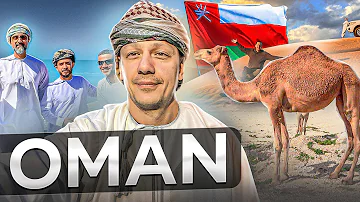
Oman Gem of the Arabian Peninsula Travel Documentary
CoolVision
5.9M مشاهدة · 3 years ago
47:18
Palestine 1920 The Other Side of the Palestinian Story Al Jazeera World Documentary

 3:01
3:01
 13:13
13:13
 1:15:20
 24:56
24:56
 54:39
54:39
 25:02
25:02
 11:40
11:40
 44:08
44:08
 50:03
50:03
 46:45
46:45
 52:01
52:01
 45:56
45:56
 46:33
46:33
 51:36
51:36
 47:18
47:18


