first part of the video we're going to practice using the respiratory system then we'll learn how it all works so take deep breath in and then breathe out now that we've mastered using the respiratory system we're going to learn how it works let's jump to the white board we're going to start with the nasal cavity now you're probably already familiar with the nasal cavity it's the open area between your nostril and the back of your throat but you probably haven't explored too far back there before was picking your nose joke now you'll notice in the nasal cavity that there are these three ridges called the nasal concha it's the same root as conch like conch shell and so these are three shell-like ridges in the nose and the purpose of these is to slow the air down which will warm it help it stay humidified we also smell in the nose so by keeping the air is kind of swirling around in there little bit longer it helps with our sense of smell and it can help trap pathogens in there think about if the air just went straight back down the throat right away then it would be easier for pathogens to make it through but if the air swirls little bit those pathogens can get caught in our mucus and our nose hairs and things like that so the nasal concha are there to slow the air that we breathe in to help trap pathogens help us smell better and warm and humidify the air that we breathe now at the top of this in yellow drawn here is the olfactory bulb olfactory just means smell think about like you're driving down the highway and you smell that's the fact there's like an old factory nearby and it smells really bad like they're making dog food or something and it's smelly old factory olfactory sense the olfactory bulb has sensory neurons that hang down in here and whenever we smell something it's actually the molecules of that thing that are in the air are going to interact with those little receptors that hang down from our olfactory bulb and sends signals then to our brain so this olfactory nerve right here connects back to our brain so that we can detect what we're smelling so next time you smell something that doesn't smell very good remember there's actual particles of that thing making it into your nose all right let's move on drawn here now are couple of our nasal sinuses our sinuses are these mucus-lined cavities whose job is to make mucus and of course when they get infected then we have sinus infection we've got kind of four sets of those i've got two drawn here the frontal and the sphenoid the frontal sinus is right in here the sphenoid sinus is kind of back behind the nose we also have the maxillary sinuses which are in our cheekbones and the ethmoid sinuses which are between our eyes but just know for now that the sinus cavities are mucus-lined cavities that drain down into the nasal cavity which is where we produce our mucus or snot mucus of course is really important helps lubricate your nasal cavity and also helps keep pathogens in it traps those pathogens and if stuff gets in there that shouldn't be there that's why we have runny nose to try to get rid of those pathogens that have made it into our nasal cavity up next we have the oral cavity the oral cavity of course is our mouth now in my diagram here it looks like we have big open oral cavity but most of that oral cavity is actually taken up by our tongue think of your tongue as this like little bitty piece that kind of like sticks out of your mouth but your tongue is giant and it fills up most of your mouth the tongue of course has taste buds which are connected to sensory neurons which sends signals up to the brain for tasting our five things that we can taste sweet salty bitter sour and umami anything else that we taste like flavors that's really our sense of smell if it's not one of those five we didn't taste it we smelled it up next we have this little opening it's the opening to tube called the eustachian tube and it's found sort of in the back of our nasal cavity right there and that's going to connect our nasal cavity to our inner ear think of time where you've been changing elevation like going on flight in plane or driving up into the mountains and your ears start to pop well that's because the inside of your ear not the part that you can get to like this but the part that's on the inside of your eardrum if that inner ear part has different pressure than the air pressure on the outside of your ear then it it starts to feel weird it can hurt and then whenever your ears pop or equalize the pressure that's because air can float in or out of the eustachian tube and that's why it helps to like chew gum or to swallow or to yawn those things will help open up the eustachian tube so air can pass in or out to equalize the pressure between the atmosphere around us and our inner ear now the back of the throat we have special name for which we call the pharynx the pharynx it's not special structure it's just name for the back of the throat so pharynx is the back of the throat and we have this thing called the uvula now if you've ever seen cartoon where the character opens their mouth and in the very back of the throat there's like this dangly red thing right there always used to think that was the tonsils but it's not the tonsils it's the uvula the purpose of the uvula which is this flap of skin that hangs down in the back of the throat is to prevent food and other things that we eat or drink from making it into our nasal cavity now it's not perfect if you've ever had milk come out your nose because you were laughing while you were drinking milk then that's because your oral cavity and your nasal cavity are connected and your uvula is not perfect and whenever you were laughing some of that food made it from the back of the throat here and the oral cavity up into the nasal cavity and that's never pleasant feeling so the uvula prevents food from making it into your nasal cavity up next we have two tubes that the throat divides into one is going to be the esophagus and that's where you want food to go the other tube is the trachea and the trachea we want to stay open because we breathe in and out and that air goes into the trachea and we we're never not breathing right generally so it's helpful if we keep the trachea just open all the time the one time when we don't want the trachea open is whenever we're swallowing food or drink so to help prevent food or liquid from getting down into the trachea and therefore down into the lungs which is what's happening whenever you take drink of something and it goes down the wrong way and you start coughing that's you getting that liquid or that food out of your lungs well we've got special structure to prevent this from happening and that's called the epiglottis the glottis is sort of term for the top of the voice box right here so epiglottis means above that and whenever you swallow this flap of tissue right here gets pulled on by tendon right here and it's going to bend that down to cover up the space right here so the moment that you're swallowing food food all goes down into the esophagus and none of it goes down into the trachea which would cause you to cough so two things that keep the food where it needs to be we've got the uvula which prevents food from going up into the nasal cavity and we have the epiglottis which prevents food from going down into the trachea and therefore into the lungs now at the superior part or top of the trachea we have something called the larynx the larynx is another name for your voice box and right here drawn are the vocal cords whenever you speak air is pushed up through the trachea out of your lungs and it causes the vocal cords to vibrate the wider or longer your vocal cords the deeper your voice will be and the smaller your vocal cords the higher it will be and of course you can change the pitch of your voice because you can change the vibration frequency of your vocal cords but only to an extent so we all have limited vocal range and if you have inflammation of this area where it swells up and your vocal cords aren't able to vibrate then you've got laryngitis laryngitis is inflammation that's the itis part of the larynx laryngitis now we need to protect our larynx so we have special piece of cartilage called the thyroid cartilage that sits in front of our larynx this is also known as that adam's apple and men and women both have it it tends to be more pronounced in men so people think that just men have an atom's apple but really men and women both have it it has nothing to do with the thyroid gland and the endocrine system as far as what it does or what it is the only similarity there is where it's located which is why they share the name so thyroid cartilage protects the larynx next we have the rest of the trachea you'll notice the trachea is covered in these cartilage rings use light blue in the diagram here for cartilage they're covered in these cartilage rings and the purpose of that is to hold open the trachea like said we're always breathing we want the trachea to never be obstructed because then we couldn't get oxygen into our lungs that would be bad so these cartilage rings hold open the trachea so there's always air flow moving in or out of our lungs contrast that with the esophagus which stays closed most of the time if we're not swallowing food or drinking water and at the bottom of the trachea it splits into two what we call bronchi or bronchus for singular but two of them so there's two bronchi the bronchi enter each lung and from there they're going to branch out into smaller divisions called bronchioles so trachea there's just one they're split into two bronchi and each bronchus splits into many bronchioles that changing of the ending to oles that just means they're smaller like arterioles or small arteries or venules are small veins now in the lung at the end of each bronchiole is little sort of cloud-shaped sac called alveoli contrary to popular belief alveoli are not my favorite type of pasta that would be penne just kidding all pasta is delicious but the alveoli are where the air ends up going so that it can transfer oxygen and carbon dioxide back and forth between the air that we breathe and the blood vessels that enter our lungs so each of these little alveoli that are at the end of the bronchioles those are wrapped in little capillaries little tiny blood vessels that connect to our bloodstream so they can exchange the oxygen and the air that we breathe into the bloodstream and then take out the carbon dioxide that we don't need anymore out of the bloodstream so that we can breathe it out so the alveoli is where gas exchange occurs that's super important that's the whole point of all this right to get oxygen into our bloodstream that happens in the alveoli and of course we have two lungs now while the second lung is being drawn notice something that this left lung this is the left side by the way it's the right side from your perspective but if this person's facing you it's their left so the left lung has two lobes so lower lobe upper lobe our right lung however has three lobes so we've got lower middle and an upper lobe so right lung three lobes left lung two lobes now around each lung is pleural membrane the lungs are in the pleural cavities and the pleural cavities are surrounded by this membrane it's really important actually the pressure in the lungs right here like in the bronchi and the bronchioles is actually little bit higher than the pressure in the pleural cavity that's surrounded by the pleural membrane think about it like balloon your lungs are like balloon if the balloon has the same pressure as the air around it it's actually deflated we don't want our lungs to deflate we call that collapsed lung it can happen whenever the lung itself gets damaged or if the pleural membrane gets punctured so we have to keep this space right in there between the lung and the pleural membrane we actually have to keep that at negative relative pressure it's got to be at lower pressure than the lung itself so the lung stays inflated like balloon the pressure in the balloon has to be higher than the pressure around it for it to stay inflated so just remember in the pleural cavities the pressure is little bit lower than in the lungs below the lungs we have the diaphragm you may have had music teacher say you know to sing from your diaphragm but you also have to breathe from your diaphragm your lungs actually you don't breathe with your lungs you don't send signals to your lungs to breathe you send signals to your diaphragm what the diaphragm does is it contracts downward which expands the size of your pleural cavity that's going to cause air to rush into the lungs because of that pressure difference sort of like sucking liquid through straw so you can track the diaphragm down that's going to cause air to rush into the lungs and your lungs then expand but again you're not controlling the lungs directly you're controlling the diaphragm so the diaphragm helps you breathe by expanding the pleural cavity finally of course all of the thoracic cavity is surrounded and protected by our rib cage and the purpose of those is to protect our lungs and our heart and our other thoracic organs from being damaged all right let's do quick recap we have the nasal cavity which is where we breathe air into our nose we have the nasal concha which are there to swirl the air and warm it humidify it trap pathogens as well as keep the air there little bit longer so we can smell it better we have the oral cavity which is our mouth and most of that's filled with our tongue we have the olfactory bulb which is for detecting smell molecules will connect to those receptors and that'll cause signals to be sent back to our brain so we can process those things that we smell we have the sinus cavities which are lined with mucosa or membranes that produce mucus to help lubricate our nose and help flush out pathogens and things like that we have the eustachian tube which connects to our inner ear and that's going to help equalize the pressure between our inner ear and the air around us we have the uvula which is going to prevent food from making it from our oral cavity up to our nasal cavity which is not good the pharynx is name for the back of the throat the epiglottis is flap of tissue that whenever we swallow it's going to close off the trachea to prevent food and water from making it down into our lungs we have the esophagus right there and then the trachea at the top of the trachea is the larynx which is going to be where our vocal cords are the thyroid cartilage protects the larynx that's the adam's apple the trachea is held open by these cartilage rings and then the trachea branches into two bronchi each bronchus branches into bronchioles and then finally down into alveoli alveoli is where gas exchange occurs oxygen will go from the alveoli into the blood and carbon dioxide will go from the blood into the alveoli so we can breathe it out the lungs of course are surrounded by the pleural membrane and the space inside the pleural membrane is kept at lower pressure so their lungs stay inflated we've got the diaphragm which we contract in order to breathe and the ribcage of course protects all of the thoracic organs that we've been talking about all right here's blank diagram take moment see if you can identify all of the structures in this diagram as well as what they do here we have the nasal cavity which we bring air into we've got the nasal concha which are going to swirl the air we've got the oral cavity which is our mouth we've got the olfactory bulb which is for sensing smell we have the sinus cavities we have the eustachian tube which connects to our inner ear we have the uvulo which prevents food from getting into the nasal cavity we've got the pharynx which is the back of the throat we have the epiglottis which prevents food from making it down into the trachea we've got the larynx which is where our vocal cords are we've got the thyroid cartilage which protects our larynx our vocal box we have the esophagus which is where food and drink go down we have the trachea which is where air goes down into that trachea branches into the two bronchi which branch into bronchioles which end in alveoli where gas exchange occurs with the bloodstream we have the lungs which are covered in the pleural membrane the left lung has two lobes the right lung has three lobes the diaphragm which will contract to help us breathe and finally the rib cage which protects all of this take moment and breathe okay we're gonna use our respiratory system breathe in breathe out you think that's funny good job wait where'd the laundry go where did laundry go there she is right bye bye
7:35
Respiratory System
Amoeba Sisters
3.6M مشاهدة · 4 years ago
8:31
Lung Function Lung Volumes and Capacities
Armando Hasudungan
938.8K مشاهدة · 8 years ago
3:22
How do lungs work Emma Bryce
TED-Ed
3.5M مشاهدة · 11 years ago
8:51
The Respiratory System
Professor Dave Explains
1.5M مشاهدة · 7 years ago
31:41
Respiratory Mechanics of Breathing Pressure Changes Part 1
Ninja Nerd
2.4M مشاهدة · 8 years ago
20:15
Pulmonary Function Tests PFTs Clinical Medicine
Ninja Nerd
308.1K مشاهدة · 2 years ago
1:21
The Human Respiratory System Explained
Teach PE
824K مشاهدة · 6 years ago
3:53
Respiratory System The Dr Binocs Show Learn Videos For Kids
Peekaboo Kidz
7.9M مشاهدة · 9 years ago
29:21
Respiratory System 101 Anatomy and Physiology
Organized Biology
17.8K مشاهدة · 2 years ago
35:27
Can Food Improve Lung Function Yes—And Heres Why Dr Li Explains
Dr. William Li
104.2K مشاهدة · 1 year ago
14:12
Understanding Spirometry Normal Obstructive vs Restrictive
Armando Hasudungan
1.8M مشاهدة · 8 years ago
38:17
Respiratory Physiology The Respiratory System
Dr Matt & Dr Mike
264.6K مشاهدة · 2 years ago
9:40
Functions of respiratory passage ways Chapter 38 part 9 Guyton and hall text book of physiology
Medical Gateway
64.7K مشاهدة · 4 years ago
22:14
Respiratory Spirometry Lung Volumes Capacities
Ninja Nerd
1M مشاهدة · 8 years ago
2:27
Respiratory System Anatomy for Nurses NCLEX Structures Functions Clinical Correlations
SimpleNursing
37.8K مشاهدة · 2 years ago
13:21
Respiratory system anatomy physiology in hindi Organs structure functions
RajNEET Medical Education
2.9M مشاهدة · 6 years ago
11:21
Lung Volumes and Capacities Pulmonary Function Tests PFTs Biology Review
Medicosis Perfectionalis
88.6K مشاهدة · 4 years ago
8:01
Lung Anatomy and Physiology Gas Exchange in the Lungs Respiration Transport Alveoli Nursing
RegisteredNurseRN
1.1M مشاهدة · 9 years ago
10:53
Respiratory System of the Human Body How the Lungs Work Animation

 7:35
7:35
 8:31
8:31
 3:22
3:22
 8:51
8:51
 31:41
31:41
 20:15
20:15
 1:21
1:21
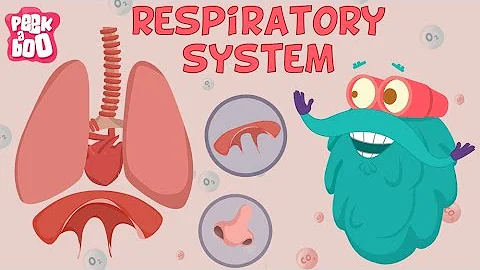 3:53
3:53
 29:21
29:21
 35:27
35:27
 14:12
14:12
 38:17
38:17
 9:40
9:40
 22:14
22:14
 2:27
2:27
 13:21
13:21
 11:21
11:21
 8:01
8:01
 10:53
10:53


