Water Resources 3/4 of the earth's surface is covered with water but only small part of it is fresh water that we can use this fresh water mainly comes from surface water like rivers and lakes and groundwater which are constantly renewed through the water cycle the water cycle ensures that water is renewable resource you might wonder if so much of the Earth is covered with water and it is renewable why do many countries and regions face water shortages why is it predicted that by 2025 nearly 2 billion people will have very little water to use water scarcity and the need for water conservation and management water is abundant and renewable at Water scarcity exists water scarcity is often linked to areas with low rainfall or drought prone regions like deserts in Rajasthan uneven rainfall and seasonal differences lead to water shortages in some places human activities like overe exploitation excessive use and unequal access vers in the problem even areas with good Water Resources can face scarcity due to overuse by group growing population increased water demand for domestic use food production and industries pollution from household Agricultural and Industrial Waste irrigation for agriculture is the largest consumer of water farmers use Wells and Tube Wells causing groundwater levels to drop there is need for drought resistant crops and dry forming techniques industrialization and urbanization increase water demand industries use lot of water and Ray on hydroelectric power adding pressure on Water Resources urban areas often overe exploit groundwater with private pumping systems even when water is available it may not be usable due to pollution chemicals pesticides and Industrial Waste contaminate water making it unsafe for humans the jelen mission aims to provide safe pipe drinking water to every Ro household the goal is to supply 55 of water per person daily on long-term basis proper water management is essential to avoid health problems to ensure food security and to support livelihoods and EOS systems mismanagement and overuse of water can lead to an ecological crisis multi-purpose River projects and integrated Water Resources management people build dams Reser reservoirs embankments and canals for irrigation and water storage large dams are constructed to manage water in river basins what are dams and how do they help us dams block rivers to store water which can be used later for the following purposes irrigation for agriculture generating electricity that is Hydro power supplying water for homes and industries controlling floods recreational purposes navigation and fish breeding let's see some examples of dams bakran nangal project which is built near sat Bas River Basin it is used for irrigation and electricity two herakut project built near mahanadi Basin it helps in water storage with flood control multi-purpose projects after Independence these projects were built to integrate Water Management with agriculture industrial and Urban Development jaal nehu called the dams the temples of Modern India symbolizing progress and growth let's see the problems and criticism of large dams environmental issues dams disturb natural River flow which leads to poor sediment flow and excessive sedimentation in reservoirs Rocky River beds and loss of habitat for Aquatic Life fragmentation of rivers making it hard for fish to migrate flood Plaines are submerged which causes vegetation and soil to decompose let's see the impact on agriculture changes cropping patterns to water intensive commercial crops leads to problems like soil salinization means means excess soil accumulates into the soil other issues floods caused by sedimentation in reservoirs flood planes lose silt natural fertilizer and it worsens the land degradation triggers earthquakes spreading water Bond diseases and causes pollution government initiatives dams designed to control floods often fail during heavy rainfall which causes Devastation of life and property and extensive soil erosion excessive water usage leads to environmental problems like pests and pollution now let us see hydraulic structures in Ancient India Singapura 1 Century BC it is near alhabad water harvesting system was built to channel flood water from the ganga River during Chandra Gupta maia's time extensive construction of dams lakes and irrigation systems for water management was done irrigation Works in historical regions sophisticated irrigation systems were found in Kalinga that is in odisha nagarjunakonda in Andhra Pradesh benur in Karnataka Kapur in Maharashtra Bal lake that is 11th century is one of the largest artificial Lakes of its time hus tank of 14th century is built by iltutmish in Delhi to supply water to the Siri Fort area what is dam dam is barrier built across flowing water to stop or control or slow down the flow it often creates reservoir lake or water storage area types of dams by structure and materials Timber dams they are made from wood embankment dams made from Earth or Rock masonary dams which are built using stones or concrete so each type may have some subcategories now let us see the types of dams by height low dams which are short in height medium height dams which are moderate height high dams which are tall structures alternatively dams can be called large dams or major dams based on their size and importance now let us see pradhanmantri krishi sinchai yoga PM KY it aims to ensure water reaches every form har Pani it expands the area under irrigation for better crop growth two what are the goals of this program it improves water use efficiency so use water more effectively to reduce waste increase water availability it ensures water is available for longer periods and over more areas promote water saving Technologies means it supports methods like paradrop more crop to maximize water use encourage sustainable practices introduce long-term water conservation methods rainwater harvesting multi-purpose projects have disadvantages so water harvesting is better option socially economically and environmentally ancient India had Advanced knowledge of rainfall soil types and local ecology which helped develop efficient water harvesting systems water harvesting methods in different regions hills and mountains built diversion channels like gulls or kols in the western Himalayas for agriculture Rajasthan they practice rooftop rainwater harvesting to store drinking water in Bengal flood planes they use inundation channels to irrigate fields in arid regions like salmer and Rajasthan they create structures like Kadin and joads to store rainwater in agricultural Fields underground tanks in Rajasthan in semi-arid areas like biker fi and barmer houses had large underground tanks which are also called as tanas to store rainwater let's see the features of this tanas they are connected to sloping roofs through pipes they store rain water from clean roofs after the first rainfall they could hold water till the next rainfall reliable source during Summers rainwater or parar Pani was considered the purest form of water some houses had underground rooms near tanas to keep cool during summer rooftop rainwater harvesting has reduced due to the availability of water from the in Inda Gandhi Canal some houses still use tankers as they prefer rainwater over tap water rooftop rainwater harvesting in gandur Karnataka in gendor Village myour 200 households use rooftop rainwater harvesting here the annual rainfall is about 1,000 each house collects about 50,000 of water annually with 80% % efficiency so the village harvests total of 1 CR lers annually making it rich in rainwater many rural and urban areas in India are successfully using rooftop rainwater harvesting to store and conserve water thanks for watching please like the video please share this video with your friends please subscribe to Great booster Channel press the Bell icon to get all the latest updates check the description to find Links of other useful videos check the end screens for our new videos
31:09
Water Resources Management
Benjamin Giudice
883 مشاهدة · 6 years ago
19:12
Water Resources Management Part 1 Introduction Dr Leila Eamen
Razavi Science Lab
8.1K مشاهدة · 4 years ago
1:22
Water Resource Management Training Introduction Video
TechClass
1.2K مشاهدة · 2 years ago
29:40
Water Resource Management
University of Nebraska–Lincoln
8.5K مشاهدة · 11 years ago
19:22
IGCSE Water Lesson 1 Sources of water and Methods of supplying water
Extreme Geography
535 مشاهدة · 5 years ago
8:58
Water Resources 10 Minutes Rapid Revision Class 10 SST
Digraj Singh Rajput
3.7M مشاهدة · 2 years ago
11:38
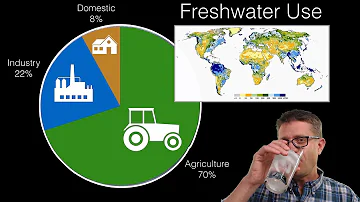
Water Resources
Bozeman Science
508.4K مشاهدة · 10 years ago
28:14
11 2 Resource Security Water AQA A Level Geography
The Geography Academy
462 مشاهدة · 1 year ago
1:10
Introduction to water management AQA GCSE Geography Unit 2 C
Geography Hawks
3.1K مشاهدة · 5 years ago
30:43
Water Resources Class 10 cbse full chapter Animation Class 10 Geography Chapter 3 CBSE NCERT
Sunlike study
5.7M مشاهدة · 2 years ago
15:22
Water Resources Types Importance Problems Solutions Complete EVS Notes for Exams
Learn by strategy
1.8K مشاهدة · 7 months ago
2:05:42
Geography Water Resources Full Chapter Explanation Digraj Singh Rajput
Social School by Unacademy
3.2M مشاهدة · 4 years ago
7:23
Sustainable Water Management AQA GCSE Geography Water 7
tutor2u
4.5K مشاهدة · 2 years ago
2:54
Water Resources Management General Overview
Central State University 1890 Land-Grant Programs
741 مشاهدة · 3 years ago
2:06:20
Class 12 Geography Chapter 6 Water Resources Full Chapter Explanation 2022 23

 31:09
31:09
 19:12
19:12
 1:22
1:22
 29:40
29:40
 19:22
19:22
 8:58
8:58
 11:38
11:38
 28:14
28:14
 1:10
1:10
 30:43
30:43
 15:22
15:22
 2:05:42
 7:23
7:23
 2:54
2:54
 2:06:20
 2:36
2:36


