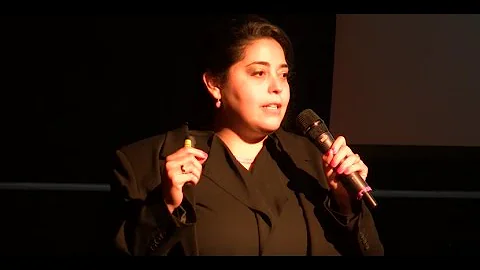
the journey has been tough all the time we had to move away rocks to make way for the truck how are we going to spend the night all around us this landscape of dark brown stone and sometimes Wadi where sands and small plants are entangled now the night is falling and we can't see our destination yet we are blocked the engine stalls about 30 times we uproot bushes and we go again finally we reach the first well and then second one full of sin the night is cold this diary fragments of the Belgian professor Eggman's quite nicely demonstrates the challenges the Philby reg'ment sleeping's expedition faced while exploring the Arabian deserts for lost civilizations back in the 1950s but today we will tell our story it's story about following into the footsteps of the great explorers of the Middle East's it's story about dedication and creativity of research teams working in desolate parts of the world and this story about testing our own hypothesis in dazzling landscapes of the Arabian desert we want to show the world that history is not only book knowledge but reconstructing history often depends on exploring those areas where hardly any scholar has gone before the Middle East is the region that has harbored the most ancient civilizations in the world so just Egypt Mesopotamia and Persia and it is known for its magnificent cultural heritage certainly most of you have heard about the pyramids right and maybe the Ishtar Gate and what about Persepolis yet nowadays the Middle East is especially known but because of its military conflicts that cause lot of human suffering and they also endanger the cultural heritage of this area and that is why it has severe impact on the work of many scholars like ourselves yet there are still unexpected parts of the Middle East where it is worth picking up the challenge and that is exactly what we are doing right now and one such place is the Arabian Peninsula in fact most people know the Arabian Peninsula as the cradle of Islam and world's largest oil reserve at what was there before Arabia is often indicated as blind spot on the historical map of the ancient world but if you look closely at the map you can see that Arabia is located exactly between Mesopotamia Persia and Egypt so it seems only logical that Arabia connected these ancient civilizations somehow survey of these regions may result in finding back it's missing link between these ancient civilizations and contribute to our future historical knowledge and that is what we want to share with you today so you understood that our big idea is that Arabia could be this missing link between the ancient civilisations of Egypt Persia and as put in Mesopotamia in fact their evidence that people travelled in the ancient world and by doing so estab connections between cultures for instance the incense routes along the coastlines of Arabia are well known through Roman history and so far historians mostly focused on those coastal regions but what about the roads across the Arabian Peninsula actually our team has already worked there and there we found traces of intense trade along Caravan routes connecting these ancient civilization through the Arabian desert so why do we call it the missing link because nobody got into it yet we could even say that in terms of historical research Arabia is terra incognita until oil was found this particular region was no importance of the for the world there are no pyramids and the climate is not inviting either so you can understand why historians are not too keen for research there well isn't it time to do something about it then sure no burning Sun no freezing nights no scorpions and no barren landscape will stop us even though our methods or quite different than those of the early explorers in the early 20th century explorers could go on for months sponsored expeditions insert in search of lost civilizations today though we need precise plan detailed routes timetable most important evidence for our working hypothesis so how did we do that and where their own journey start our own journey started in the archive of the University of Leuven which preserves the old records of the first scientific expedition to Saudi Arabia back in the 50s for explorers were personally invited by King Abdul Aziz in order to investigate the pre-islamic heritage of his country and that was big adventure the team consisted of goon zach reichman's and his nephew jack who were both professors at the university of leuven Philippines Belgian officer and last but not least hairy cynjohn Philby who was British explorer and former secret agent who had previously worked with Lawrence of Arabia himself well before them scholars used to think that ancient Arabia was society without writing but the Philby Reitman slip-ons expedition from our university proved exactly the contrary they discovered that in antiquity people in the Arabian desert made extensive use of writing among mighty sand dunes and rocky desert these four gentlemen made journey of more than 5,400 kilometres from Jeddah to Riyadh across the desert the Saudi desert in search of petroglyphs rock art and inscriptions and during the three months of research they recorded over 12,000 pre-islamic texts written in variety of ancient Arabian scripts and languages these inscriptions they contain mainly proper names and these guys in the inscriptions they belong to the various tribes which used to live in the Arabian Peninsula in antiquity and each of these tribes has its own dialect so after the retirement of professor Shakir Eggman's the notes the maps pictures and correspondence of the team were donated to the Oriental Institute of our University and served in its archives it is this reg'ment archive that holds treasure of indispensable information for preparing our own journey to the Arabian desert and it is this archive that will be our Lonely Planet guides around on our big adventure our adventure in search of the missing link physically connecting Mesopotamia Persia and Egypt more precisely the ancient strands Arabian trade routes there are four arguments why we believe that there were trans arabian trade routes in addition to the coastal ida itineraries first the huge number of inscriptions prove that there that people used stop by these desert rocks second there are lot of camels depicted on the rock art which are the perfect animals for long distance travels third we know that in antiquity the climate was much milder than it is nowadays and fourth the fill beer Eggman's livens mission recorded lot of wells and Springs in the middle of the desert since the team members of the 50 Aragon's livens mission were so busy documenting all those inscriptions they did not realize that it that maps they had room actually contain parts of things of these ancient trans arabian trade routes well we tell story like so many scholars do and we want the same thing that so many scholars want we want to go there and want to explore we have strong indication that it will be worth it haven't we but I'll be sure of that no of course not that is what science is about however we need to move forward in the face of uncertainty maybe we'll discover nothing but sand and rocks but maybe what we will discover there will shed an entirely new light on history and hopefully inshallah you will see the results in the newspapers thank you
29:53
Episode 30 Elynn Gorris Locating the Neo Elamite kingdom
WedgePod
50 مشاهدة · 3 years ago
49:45
Dawn Chatty Pastoralism in the Arabian Peninsula
STEPSCentre
473 مشاهدة · 6 years ago
8:41
Egypts MOST Colorful Temple The Beautiful Columns of Esna
Ancient Sites Girl
1.4K مشاهدة · 6 hours ago
13:16
The Sahara Has Petrified Bones the Size of City Blocks The 1908 French Survey Was Never Published
The Erased Epoch
320 مشاهدة · 4 hours ago
3:08
Epiacum Holymire Day 10
The Archaeological Practice Ltd.
11 مشاهدة · 4 hours ago
6:59
3 1 Life on the Arabian Peninsula
Anne Cline
733 مشاهدة · 8 years ago
5:46
the arabian peninsula
aileen molina
54 مشاهدة · 9 years ago
28:49
Beyond Exception New Interpretations of the Arabian Peninsula University of Virginia 9 25 20
Arabian Peninsula and Gulf Studies at UVA
72 مشاهدة · 5 years ago
19:10
A Brief History about Arabian Peninsula
Studio Islam
1.3K مشاهدة · 11 years ago
28:10
The Arabian Peninsula The Life Of The Prophet Muhammad PBUH Series Part 1
Sunnah Way
518 مشاهدة · 11 years ago
10:44
Mark Hambley and William Morris on the Arabian Peninsula Yemeni Civil War Connecting Point
New England Public Media
323 مشاهدة · 8 years ago
16:55
Ruins of the Arabian Peninsula Melted or Carved
Old World Exploration
2.3K مشاهدة · 3 years ago
12:56
The Indianization of the Arabian Peninsula REACTION
MarioB & Nicole
3.4K مشاهدة · 7 years ago
1:19:46
Shifting Sands in the Arabian Peninsula Yemen November 20 th 2018
GRCCtv
1K مشاهدة · 7 years ago
0:40
An ancient heritage that stretches back to the Bronze Age Arabian Peninsula
Arabian Peninsula “Asian”
76 مشاهدة · 6 years ago
18:38
Irans Hidden Megaliths Just REWROTE Persian History
Epoch Mysteries
4.4K مشاهدة · 2 days ago
31:41
Archaeologists Discovered Hidden Night Glows on Göbekli Tepes Pillars
Bright Side Ancient Civilizations
7.4K مشاهدة · 1 day ago
9:57
When Humans First Stepped Foot in the Arabian Peninsula

 29:53
29:53
 49:45
49:45
 8:41
8:41
 13:16
13:16
 3:08
3:08
 6:59
6:59
 5:46
5:46
 28:49
28:49
 19:10
19:10
 28:10
28:10
 10:44
10:44
 16:55
16:55
 12:56
12:56
 1:19:46
 0:40
0:40
 18:38
18:38
 31:41
31:41
 9:57
9:57