النص الكامل للفيديو
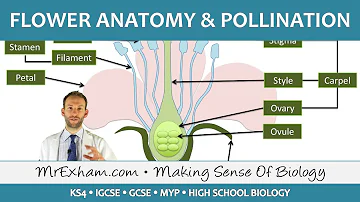
You may recall from our original plant reproduction in angiosperms video, our bee story. If not, here is your recap. Many years ago, noticed bunch of bees flying by our window and came to realize bees had made nest in the insulation material in our house. Although was thrilled with this prospect, my family was not. Everything came to head when we discovered that bees - or at least our bees - REALLY did not like barbecue. Luckily, we found bee keeper who carefully took them off to their happily ever after at bee farm. That is…until the bees struck again. Yup, that’s right - there’s sequel to this story. The bees came BACK. Well, ok, not those exact bees - but another colony of honeybees built their nest, this time above my son’s ceiling. There were some signs. Outside: bees flying towards our roofline. Inside: strange hum sounds coming from the ceiling. The incessant humming was little disconcerting so we decided to call the beekeeper AGAIN where the bees were safely relocated. could come to the conclusion that bees really like me - or maybe the houses pick - but truthfully, really like them. Why are bees so awesome? Well, they are major pollinators of angiosperms which this video will be going into. We’ll get to the function of pollinators soon. But let’s talk about angiosperms. successful and diverse group of plants; it’s estimated around 90% of all plant species fit into this group. Most angiosperms fall into one of two categories known as monocots OR eudicots: more about that in our plant diversity video. But focusing on angiosperms in general - they have two major things that set them apart from other plants. Angiosperms have flowers and angiosperms have fruit. Angiosperms have flowers but when you think of flowering plants, it’s not just the ones you might imagine featured in flower arrangement. Because plants that flower also include grasses, crops, flowering trees, carnivorous plants. But here’s something that may be more surprising: flowering plant species can bear fruit---just maybe not fruit in the sense that you are used to. Not all fruit ---if going by the biological definition---is sweet or even edible. And not all fruit has to be fleshy like you might imagine - biologically speaking, rice and peanuts are examples of dry fruit. Biologically, fruits develop from the ovary of plant. Rice, peanuts, pumpkins, green beans, tomatoes, squash---these all developed from the ovary of flowering plant. These are all fruits. And if we want to get technical: some fruits aren’t JUST from the ovary alone but can be from additional parts along with the ovary - like an apple, which develops from the ovary and additional flower parts. We should note the term “vegetable” really isn’t used as true biology term. Some of what grocery stores classify to be vegetables are other parts of plants like leaves, roots, or shoots. So: big picture - plants with flowers develop fruit. Fruit develops from the plant’s ovary and sometimes additional flower parts, too. Let’s talk about some flower parts. So, angiosperms have flowers, and these are the reproductive structures. Many flowers contain both male and female parts. Some flowers contain only male or only female parts. First, we’ll start with male parts. The male parts make up the stamen. The stamen includes the filament and the anther. The filament is stalk that supports the anther---the anther is rather fluffy structure that produces pollen, which we’ll get to soon. For female parts: the pistil. This pistil can be made of one or more units called carpels. Generally, each carpel contains 3 main parts: the stigma, style, and ovary. We know sometimes "pistil" and "carpel" get used interchangeably, but that gets tricky when you are talking about pistil that might have multiple fused carpels for example. While pistil can contain one or more carpels - THIS pistil only has one carpel - so this pistil only features one stigma, one style, and one ovary. The stigma---I like to say “sticky stigma” because pollen is supposed to stick onto this sticky structure. The style, which is the stalk that supports the stigma. Then the ovary at the base of this structure. The ovary is where fertilization occurs and seeds are formed within it. The ovary, as we had mentioned, ripens into fruit. There are some parts of the flower that are neither male nor female. Sepals for example. Sepals protect developing flower bud. Or petals for example. Fancy structures that help attract pollinators. Which brings us back to the bees and also the steps of angiosperm (aka flowering plants) reproduction. First, let’s understand pollinator, such as the bee. While some pollinators may be interested in collecting pollen, many are attracted to the nectar---a sugary sweet substance that many flowering plants can produce. Plants produce the nectar to attract pollinators, and plants also tend to use petals to help pollinators find their way and attract them. As pollinator drinks some of the sweet nectar, they tend to brush against the anthers of flower. Anthers produce pollen. Have you ever really gotten good look at bee? Many times you will see yellow dust---pollen---all over the bees. They just can’t help themselves. The idea is if this pollen can be brushed from pollinator onto the stigma, the flower can be what we consider pollinated. Pollination has happened! And little side note: some angiosperms are picky and will only accept pollen from another plant and not accept pollen from its own anthers. Basically, not allowing self-pollination. Which would make the ability of pollinators to travel great distances even more important. So, pollination has happened. But it’s not enough, so we’re not done yet. sperm cell must join an egg to be fertilized. And that hasn’t happened yet. This is where it starts to get little more wild. Just disclaimer, we are simplifying this amazingly complex process. Basically, mature pollen grain has tube cell and generative cell. The tube cell makes pollen tube that burrows from the stigma down through the style, eventually all the way into the ovary into something called an ovule. It uses enzymes to help it do this – we’ve got great further reading suggestion about that in our description. The generative cell divides into two sperm cells which will travel down the pollen tube into the ovule. One of the sperm cells will fertilize an egg to form zygote; zygote is fertilized egg. second sperm cell joins with two polar nuclei that are hanging out in here too---this is very important because this will develop into the endosperm. The endosperm is full of nutrients for developing baby plant. Because this fertilization process involved sperm cells joining two different things (the egg and the polar nuclei)---we technically call this double fertilization. Each ovule - because there can be multiple - could potentially develop into seed if fertilized. To add: it’s common for the petals on the flower to fall off - this particular flower doesn’t need them anymore because you don’t need to attract the pollinators now. The ovary can ripen and develop into fruit (remember: not necessarily an edible one). Generally, the fruit’s structure will have an important role in how the plant disperses its seeds. Seed dispersal itself can happen in multiple ways. few examples: seed dispersal can involve attachment to animals or - little more personal - traveling IN an animal (meaning through their digestive system) to hitchhike away from the parent plant, allowing them to not have to compete with their parent plant. Wind is also another seed dispersal example. One last thing before we go. Keep in mind that our general description was for angiosperms. But remember, not all plants are angiosperms and therefore not all plants have flowers and fruit. Gymnosperms produce seeds that are not enclosed in fruit. Many rely heavily on the wind for pollination. Some plants don’t have any seeds at all, like ferns. Their reproduction involves spores. Or another category: bryophytes. Bryophytes rely on water for reproduction because they have sperm cells that need to swim to reach the egg. And there’s the fact that many different plant types - including angiosperms - can also reproduce asexually. One example is taking cutting from certain kind of plant and the cutting growing into new plant. The new plant would be genetically identical to the original plant - but - still be brand new plant. Well, that’s it for the Amoeba Sisters, and we remind you to stay curious!

 10:24
10:24
 6:55
6:55
 4:07
4:07
 4:13
4:13
 5:18
5:18
 2:37
2:37
 18:19
18:19
 5:10
5:10
 12:50
12:50
 15:37
15:37
 3:49
3:49
 5:53
5:53
 9:42
9:42
 8:00
8:00
 7:33
7:33
 7:06
7:06
 0:52
0:52
 2:07
2:07